Top 10 Mavenlink Alternatives (Paid & Free) – 2026 Guide

In case you’re looking for Mavenlink alternatives (now Kantata), you’re in the right place within other project management software to compare.
This guide covers top Mavenlink competitors, best use cases, and how to chose the best replacement based on your delivery and reporting needs.
We included the best picks for project management, time tracking, and financial reporting, and a comparison table.
What Are the Best Mavenlink Alternatives in 2026?
The best Kantata (former Mavenlink) alternatives in 2026 are Productive, ProWorkFlow, Hub Planner, Hive, Accelo, nTask, Asana, Smartsheet, Jira and Bitrix24.
If your main goal is project management with budgets and utilization, start with Productive. Below is out top 10 list with best for descriptions, jumplinks and free versions remarks.
| Tool | Choose if best for | Why teams pick it | You may still need |
|---|---|---|---|
| Productive | Services teams that want projects, time, resourcing, budgets, and reporting together | Keeps delivery and resource allocation and financial visibility in one workflow | Nothing essential if you want one platform for delivery and financials |
| ProWorkFlow | Small services teams that need straightforward project plans plus timesheets | Simple project tracking with time entry and client-facing basics | Deeper forecasting, utilization, and profitability reporting |
| Hub Planner | Teams that already run projects elsewhere but need stronger scheduling | Clear capacity views and allocation planning across people and roles | Project budgeting, billing, and end-to-end PSA reporting |
| Hive | Teams that want lightweight collaboration and task tracking, free version available | Built-in messaging and simple project organization | Budgeting, billing, and advanced resource management |
| nTask | Budget-conscious teams that need tasks with basic time logging | Low-cost entry point for simple project workflows | Resource planning and robust financial controls |
| Accelo | Services firms that want PSA plus sales and client management | Broad suite for projects, time, tickets, and CRM-style workflows | An easier setup and reporting that feels simpler day to day |
| Asana | Cross-functional teams that live in tasks and approvals, free version available | Flexible work management with strong integrations | Native budgeting, billing, and utilization tracking |
| Smartsheet | Ops teams that prefer spreadsheet-style planning at scale | Familiar grid-based planning with automation options | PSA financials and deeper time and resourcing workflows |
| Jira | Software teams that need issue tracking and sprints, free version available | Strong backlog, sprint planning, and dev tool ecosystem | Client billing, budgets, and non-dev friendly planning |
| Bitrix24 | Teams that want CRM plus collaboration in one suite, free version available | Includes CRM, communication, and project features in one bundle | Cleaner project reporting and smoother onboarding for new users |
1. Productive – The Best All-in-One Mavenlink Alternative
Productive is an all-in-one platform for agencies and professional services teams.
It supports project management across clients, retainers, and internal work.
It brings project planning, timesheets, resourcing, budgeting, billing, and reporting into one workflow. That makes it easier to see delivery progress and financial impact in the same place.
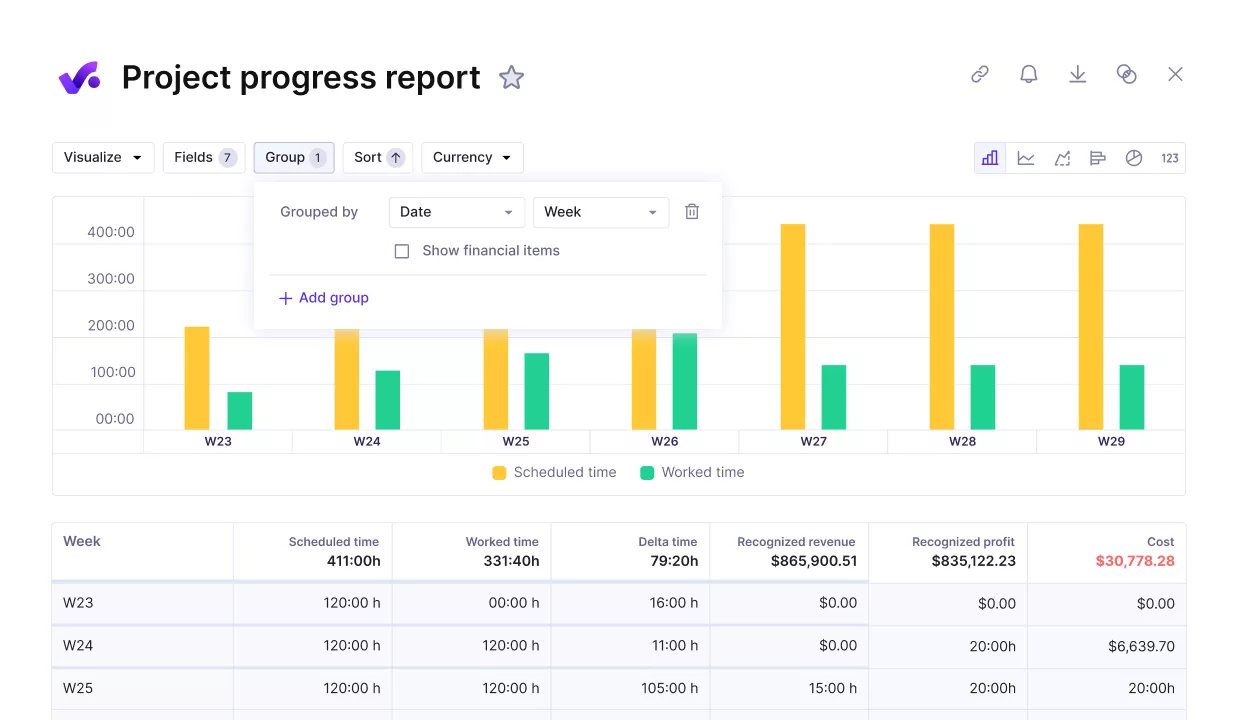
Get real-time updates on project progress against key performance metrics.
One key difference is reporting speed. Mavenlink users mention it can take “30-40min to refresh data” (Capterra). In Productive, dashboards refresh as new data comes in.
Productive also supports financial forecasting based on your resource schedule. This helps you plan future revenue and profit margins before capacity becomes a bottleneck.
Try the best Kantata replacement
Project planning with a unified dashboard and cross-project task views
Productive’s Project Management solutions help you monitor delivery across clients and internal work. You can review status from one dashboard and drill into task-level details when something slips.
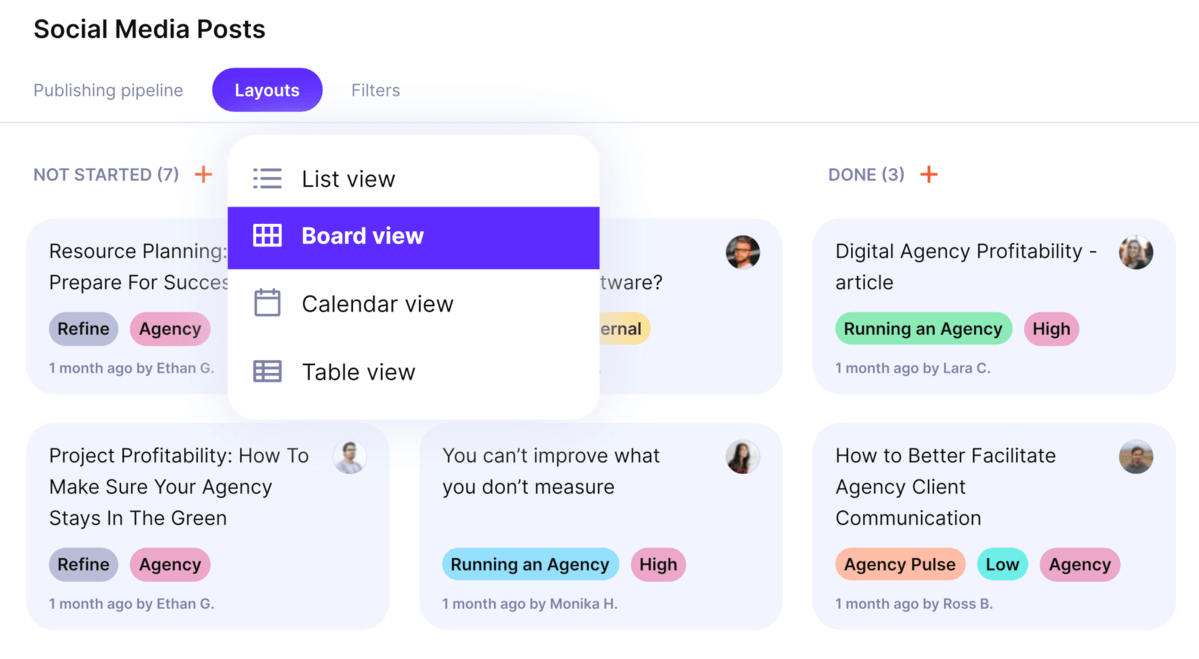
Get customizable workflows for easier task tracking.
You can sort through various project views, including Gantt charts, Kanban boards, Workload, List, and more.
Set up customizable workflows so tasks move through clear stages. Teams and clients can use comments, share files, and follow progress updates. You can also automate routine steps with custom automations.
Use Docs to keep briefs, meeting notes, and decisions next to the work.
Timesheets and one-click entries for billable work
Time Tracking in Productive is built for fast entry. Use the built-in task timer with a desktop widget, or fill out timesheets manually when that suits your team.
It is a good fit if you need time tracking across projects and retainers.
Budget owners can review and approve time entries one by one or in bulk. You can also lock timesheets after a cutoff date to protect billing data.
Resource planning with workload dashboards and unified scheduling
With the Resource Planning feature, you can see who has capacity and who is at risk of burnout. This makes it easier to balance work across roles and keep delivery realistic.
With Forecasting, you can use scheduled work to forecast budget burn, revenue, and profit margins.

Get insights into resource utilization and adjust resource allocation from a single platform.
With Time Off Management, employees can request time off and managers can approve it. Approved time off is reflected in your resource plan.
Productive also supports HRIS connections, including BambooHR, Breathe, and Personio.
Sales tracking with an integrated deal pipeline and win loss analysis
Productive’s Sales CRM offers customizable sales pipelines, so you can manage deals through tailored stages.
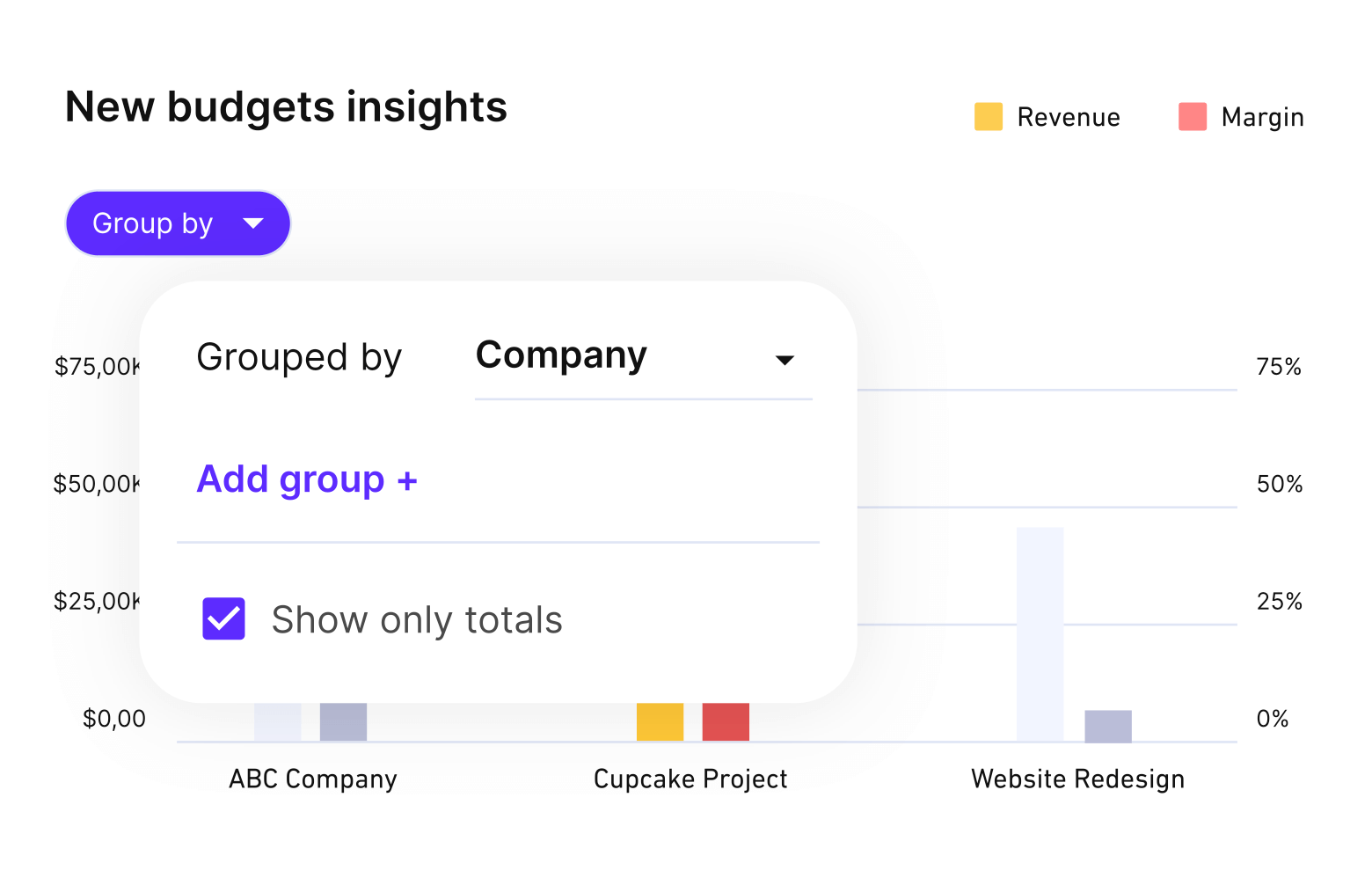
Update your budgets with a click, and share real-time reports.
With Billing, you can turn approved time and expenses into invoices. Productive also includes Xero and QuickBooks integrations.
Reporting with project P&L and custom dashboards
With Reporting, you can build dashboards from widgets and share them with stakeholders. Start from templates or create custom views.
You can also schedule Pulse updates to email or Slack.
Additional features: Client Portal, Productive AI, Revenue Recognition, Purchase Orders, Permission Builder
Integrations with the tools you already use
Productive connects with tools across accounting, HR, and collaboration.
Integrations include Slack, Google Calendar, and Outlook; Xero and QuickBooks; BambooHR, Breathe, and Personio; Jira and Memtime; and more.
You can see examples in customer stories, including how ZenDev agency increased project visibility with Productive.
Simple monthly per user pricing
- Plans start with the Essential plan at $10 per user per month, which includes essential features such as budgeting, project & task management, docs, time tracking, expense management, reporting, and time off management.
- The Professional plan includes custom fields, recurring budgets, advanced reports, billable time approvals, and much more for $25 per user per month.
- The Ultimate plan has everything that the Essential plan and Professional plan offer, along with the HubSpot integration, advanced forecasting, advanced custom fields, overhead calculations, and more. Book a demo or reach out to our team for the monthly price per user.
You can start with a free 14-day trial before you decide on a paid plan.
Replace Kantata With One Platform
Plan work, track time, manage capacity, and stay on budget without juggling separate tools.

2. ProWorkFlow – A Good Option for Professional Service Businesses
ProWorkFlow is a cloud-based project management software that offers features like project management, time tracking, and team collaboration.
Key Features
- Project templates
- Workflow automation
- Time tracking and invoicing
- Client portal
- Reporting and analytics
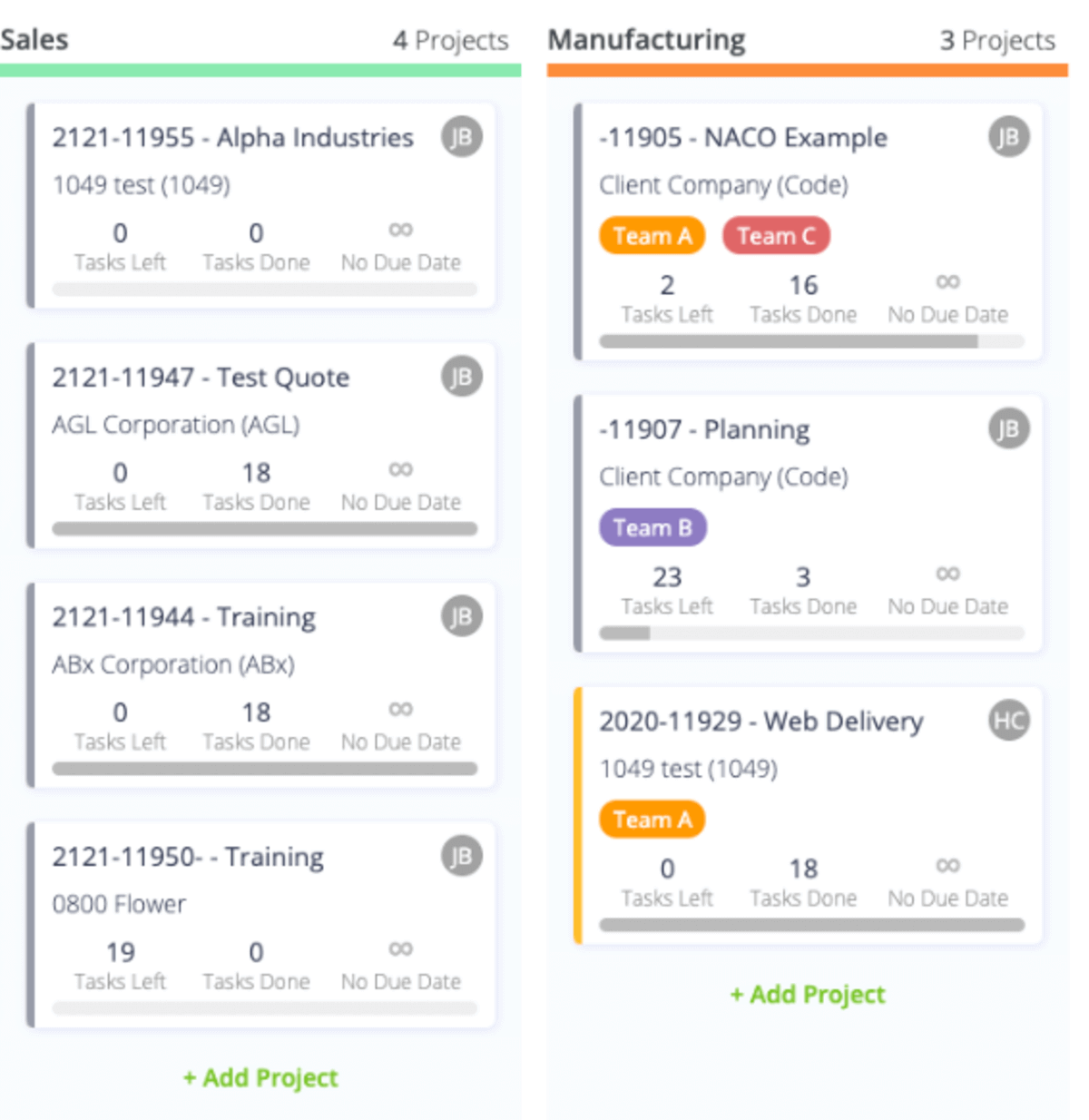
SOurce: proworkflow
Final Verdict
Choose ProWorkFlow if you want basic project management plus timesheets and invoices in one place. Reviewers often mention helpful customer support and an interface that is easy to learn. The common tradeoff is lighter financial visibility than a platform built around budgets and margins.
We also covered ProWorkFlow in our guide to the best WorkflowMax alternatives. We also have a dedicated guide to the best ProWorkflow alternatives, so check out both articles to explore your options.
3. Hub Planner – A Solid Choice for Resource Management
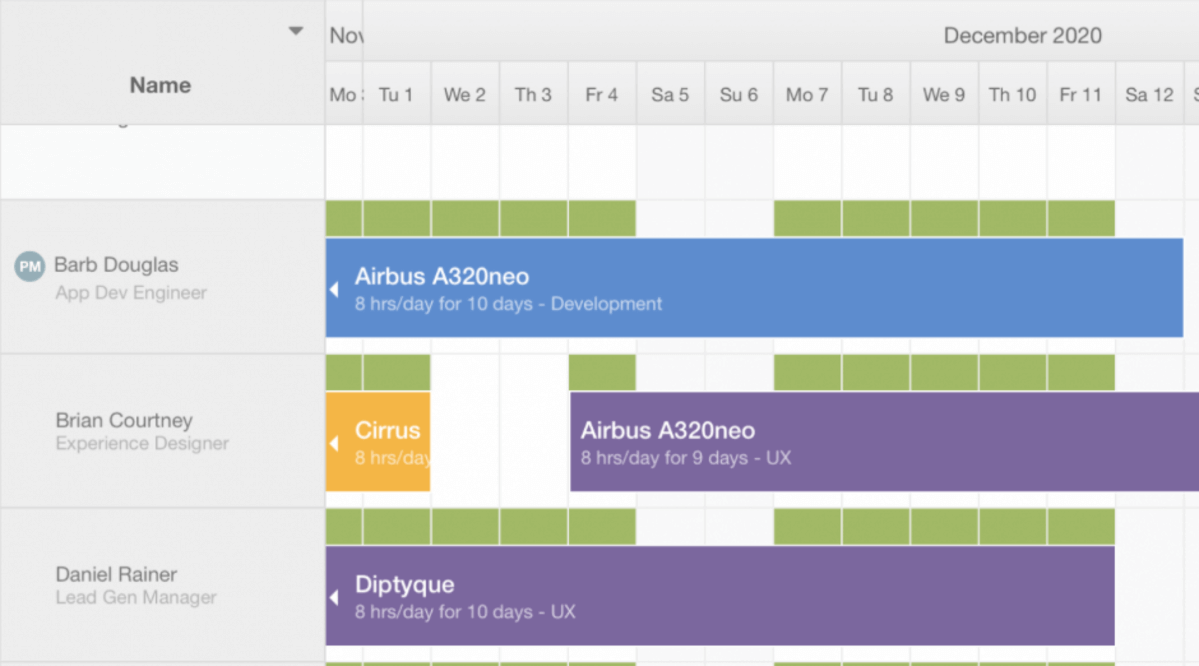
Hub Planner is a solid Mavenlink competitor that focuses on scheduling and capacity planning. It helps you spot conflicts early and balance workloads across people and teams.
Key Features
- Scheduling and capacity planning
- Task and project tracking
- Timesheets and invoicing
- Reporting and analytics
Source: hub planner
Final Verdict
Choose Hub Planner if resourcing is the main problem you are trying to solve and you already use another tool for day-to-day delivery. Reviewers often mention the interface is easy to navigate and the scheduling views are clear.
The tradeoff is that you may still need budget tracking and billing workflows elsewhere.
4. Hive – A Collaborative Task Management Software
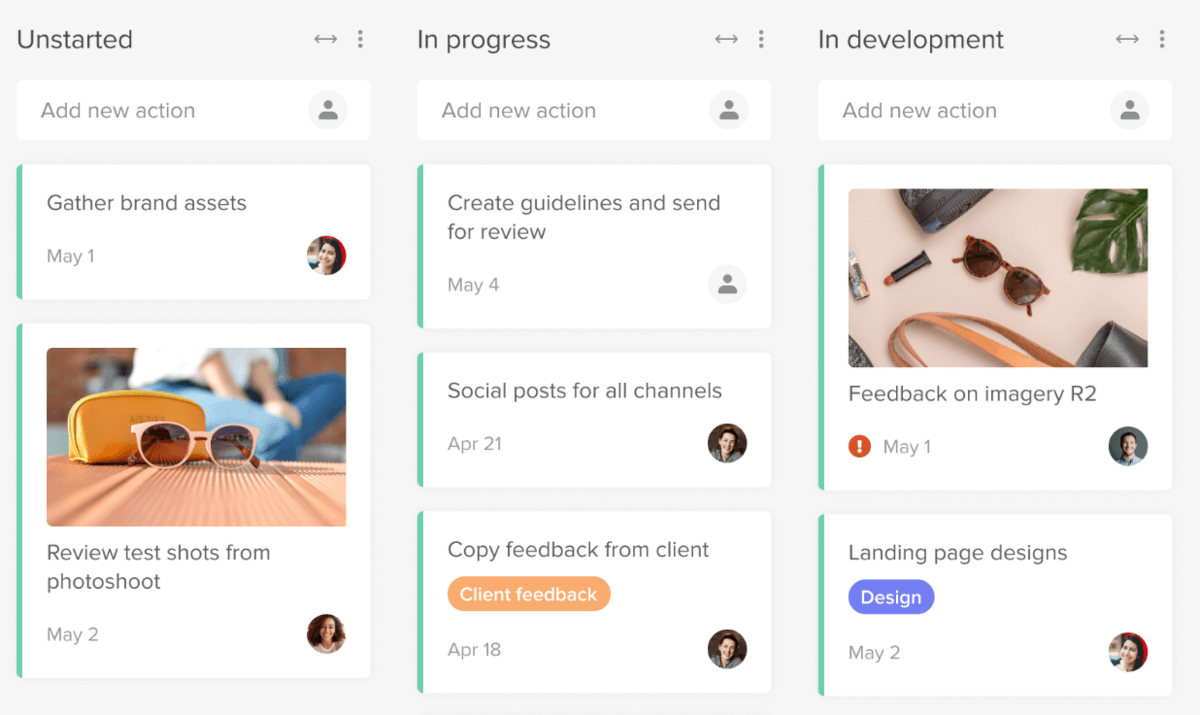
Hive is a work management tool built around tasks, messages, and shared notes. It’s one of the more popular task tracking and planning alternatives to Mavenlink.
Key Features
- Project planning and scheduling
- Task management
- Team communication
- Time sheets and reporting
source: hive
Final Verdict
Choose Hive if you want an easy task hub that your team will adopt quickly, free version available. Reviewers often mention the built-in messaging and notes. The common downside is that complex delivery workflows and deeper financial controls usually require other tools.
5. nTask – A Fair Option for Agencies on a Budget
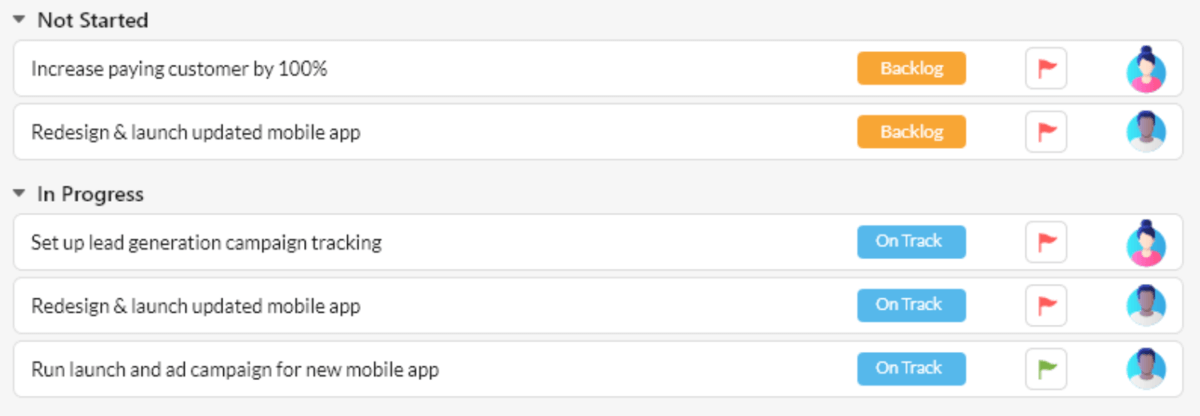
nTask is a low-cost task tracker with basic timesheets and templates. It is usually a better fit for small teams than for larger services firms with complex resourcing.
Key Features
- Task management and scheduling
- Collaboration and team communication
- Time tracking and invoicing
- Project and task templates
- Reporting and analytics
source: ntask
Final Verdict
Choose nTask if you need simple task tracking with basic time logs and invoices at a lower price point. Reviewers often mention the interface is easy to use. A common complaint is inconsistent customer support.
6. Accelo – A Good Professional Services Automation Platform
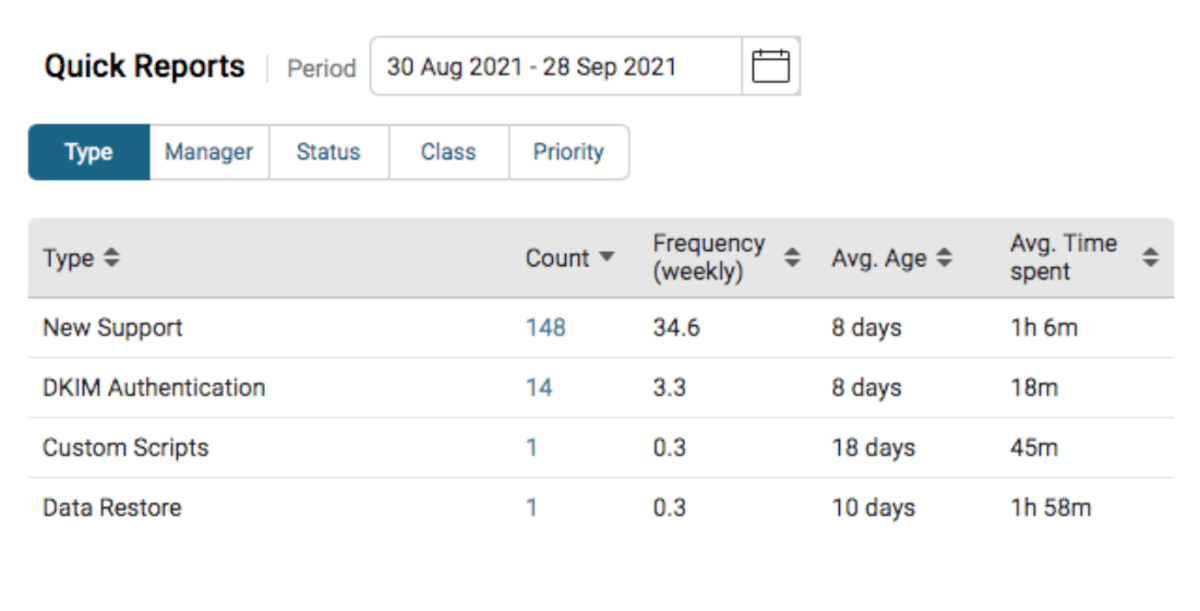
Accelo is a professional services automation (PSA) platform that combines projects, tickets, sales, and client management.
Key Features
- Project planning and scheduling
- Time tracking and invoicing
- CRM and sales management
- Reporting and analytics
source: accelo
Final Verdictt
Choose Accelo if you want a broad PSA suite and you are ready for a more involved setup. Reviewers often mention it can cover many workflows in one place. A common downside is complexity, especially when you try to tailor it to your processes.
Read our guide to the top Accelo alternatives or our Accelo vs Scoro comparison to learn more.
7. Asana – A Good Choice for Agencies Looking for Team Collaboration Features
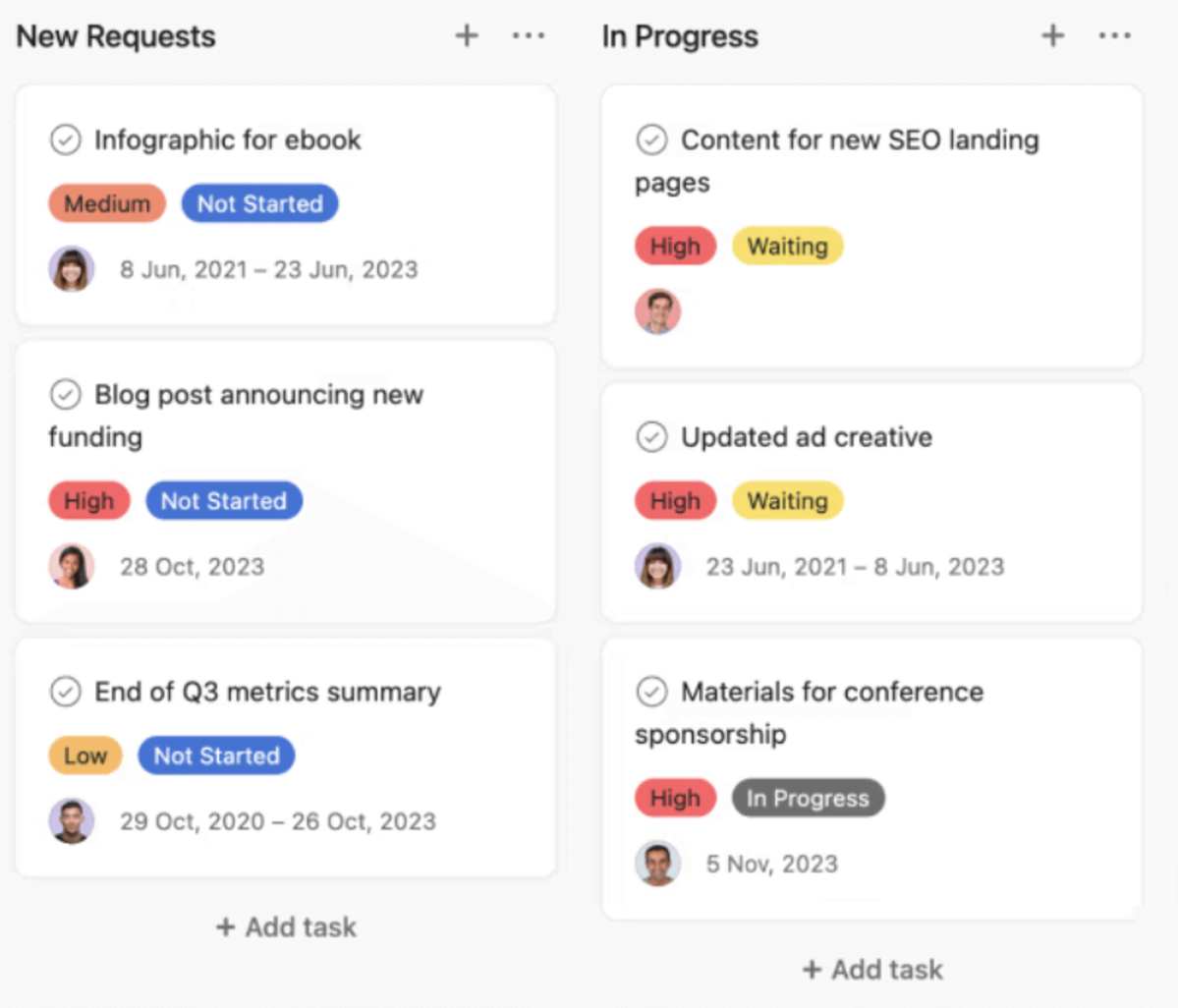
Asana is a popular project management platform for tasks, approvals, and cross-team visibility.
Key Features
- Task management and scheduling
- Team communication
- Project tracking and reporting
- Custom workflows
source: asana
Final Verdict
Choose Asana if you manage most work as tasks and rely on integrations to connect the rest. Users like the flexibility and customization options. The dealbreaker for many services teams is that budgeting and billing are not built in, so Asana alternatives like Productive are a better all-in-one choice.
8. Smartsheet – A Fair Choice for Enterprise Companies
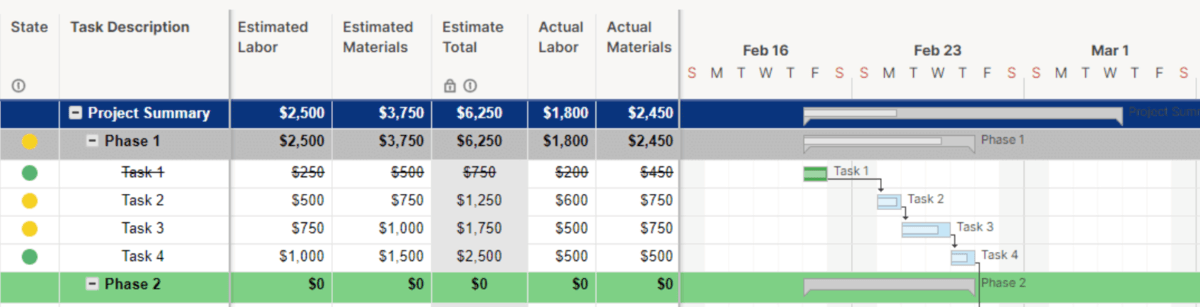
Smartsheet is a spreadsheet-style work platform that suits teams who plan in grids and need automation. It’s one of the more common alternatives to Kantata.
Key Features
- Project planning and scheduling
- Team communication
- Automation and workflow
- Reporting and analytics
source: smartsheet
Final Verdict
Choose Smartsheet if your team prefers spreadsheet-like planning and you need flexible automation. Customers like the integrations and customization options. The tradeoff is a steeper learning curve, especially for teams that are new to tools like this.
9. Jira – A Fair Choice for Software Agencies Looking for Advanced Project Management Features
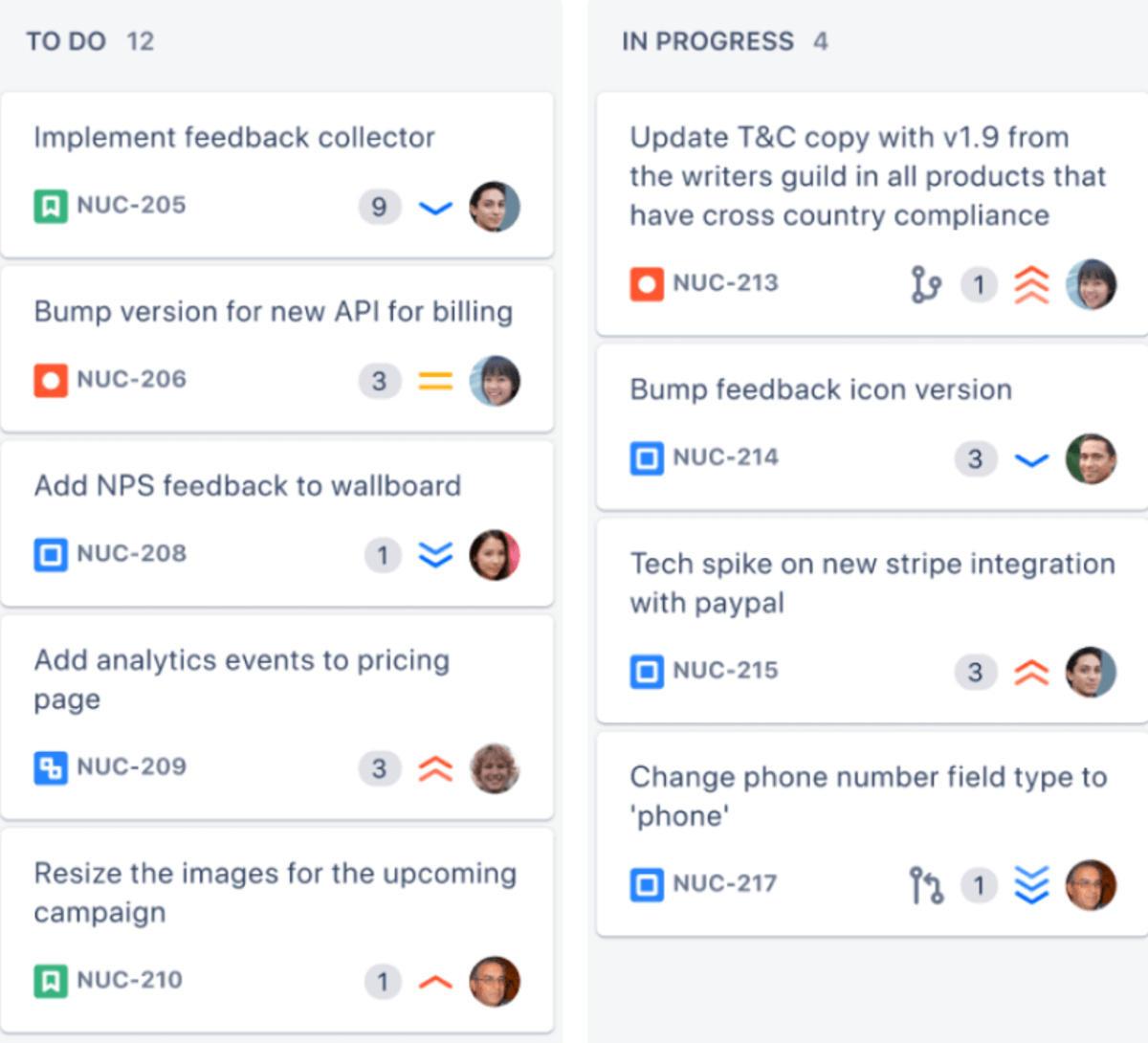
Jira is an issue tracking tool used for backlogs, sprints, and bug triage.
Key Features
- Project planning and scheduling
- Task management and task prioritization
- Bug tracking and issue management
- Reporting and analytics
source: jira
Final Verdict
Choose Jira if you run agile delivery and want tight integration with developer tools. Customers like the powerful customization options. Common complaints include complexity and a learning curve for non-technical users.
10. Bitrix24 – A Good Tool for Project Planning
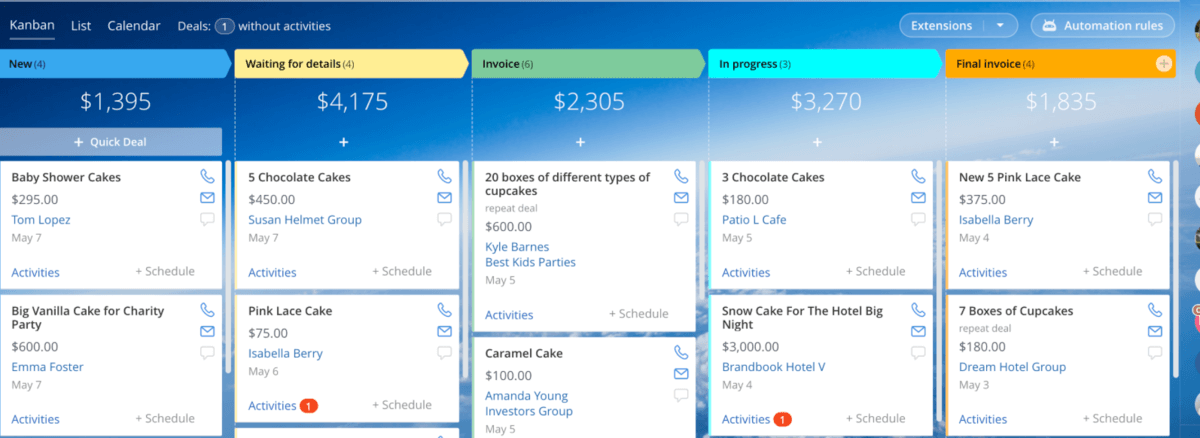
Bitrix24 is a social intranet and collaboration tool that offers a wide range of features like task management, team collaboration, and communication. . It combines CRM, chat, and project features.
Key Features
- Task and project tracking
- Team communication
- Social intranet and knowledge management
- Reporting and analytics
source: bitrix24
Final Verdict
Choose Bitrix24 if you want CRM-style workflows and internal communication in the same system. Customers like that it covers many needs in one place. The tradeoff is a busier interface that can feel confusing during onboarding.
You can also check out our article on Bitrix24 alternatives to learn more.
Why Look for a Mavenlink Substitute?
On G2, reviewers often highlight Kantata’s ability to centralize project tracking, resource planning, and financial visibility, supported by reporting that helps teams stay on top of utilization and forecasts.
Teams still consider alternatives when the interface feels complex at first, reporting is hard to tailor, or resourcing workflows slow down as the dataset grows. For smaller teams, pricing and the effort to configure things like rate cards can also be a factor.
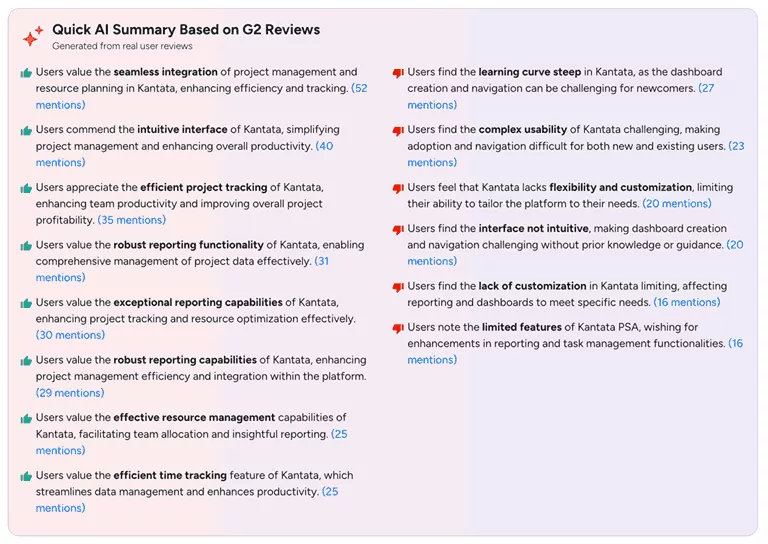
Kantata G2 review
Takeaway: How To Choose a Mavenlink Replacement?
Start by mapping your project management workflows.
Then map your time tracking, resourcing, budget tracking, billing, and reporting needs.
Shortlist tools based on what you actually need:
- Delivery views: Gantt charts, Kanban boards, task dependencies, and workload views
- Resourcing: capacity planning, project staffing, and visibility into resource demand
- Financial control: billing workflows, billing periods, estimate and expense tracking, and revenue recognition (if you need it)
- Governance: permissions, approvals, and audit-ready reporting
- Integrations: accounting, HRIS, and the tools your team already uses
Then sanity check recent reviews and the G2 rating for the workflows you care about most. A free trial can still help, but only after you confirm the tool covers your must-have workflows.
If you’re looking for an all-in-one platform for delivery and financial visibility, you can book a short demo call with Productive.
Connect With Agency Peers
Access agency-related Slack channels, exchange business insights, and join in on members-only live sessions.
