Building an Agency Around Quality—for Clients and People, Powered by Productive
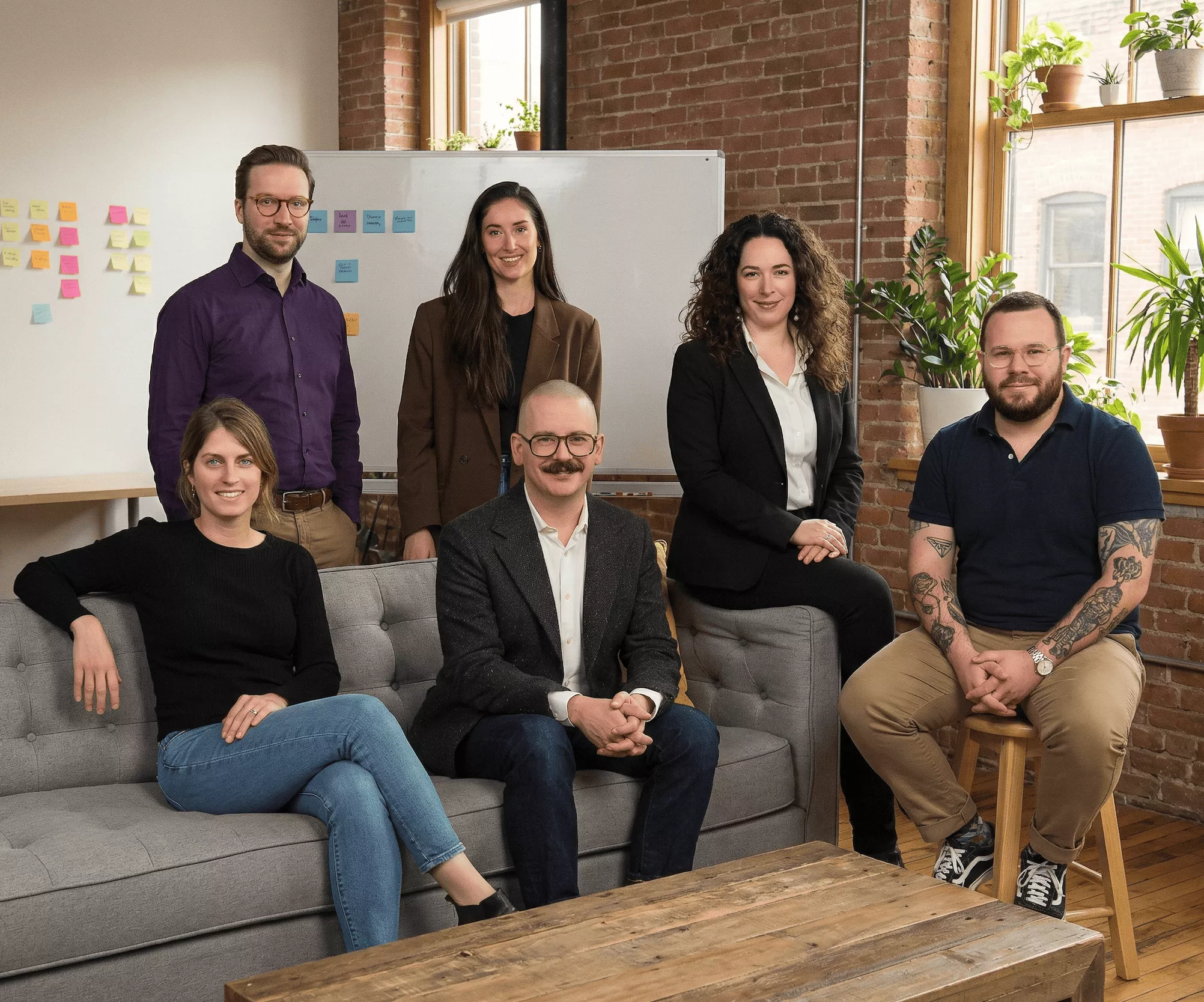
Muhlert Digital is a Berlin-based digital marketing agency built around a simple but often overlooked principle: high-quality work starts with sustainable ways of working. Founded in 2022, the agency partners with ambitious brands to deliver senior-led digital marketing, SEO, analytics, and strategy—without overloading teams or sacrificing depth for scale.
We spoke with Quentin Muhlert, Founder and CEO of Muhlert Digital, about how the agency uses Productive to bring structure to its growing operations, gain real-time visibility into projects, resources, and profitability, and scale sustainably—without compromising service quality or the team’s well-being.
We Help Your Agency Reach New Heights
Switch from multiple tools and spreadsheets to one scalable agency management system.
Tell us a bit about Muhlert Digital and your role.
Muhlert Digital is a small digital marketing agency based in Berlin. I’m originally from Canada and spent time in the US doing the Silicon Valley thing before moving to Europe about 12 years ago. Before founding Muhlert Digital in 2022, I worked as an independent consultant for years and had experience both working at agencies and being part of agency growth from very early stages.
The reason I started the agency was simple: I’d seen too many agency models that didn’t work—for clients or for employees. Overloaded teams, junior handoffs that hurt quality, and people working unsustainable hours. We built Muhlert Digital around quality of service and quality of life. Our team is very senior, clients work directly with the people doing the work, and we’re intentional about not overloading anyone.
My role has evolved a lot. In the early days, I did almost everything—client work, strategy, and delivery. As we’ve grown to around 15 people and close to 40 clients, my focus has shifted more toward operations, sales, HR, team management, and overall business oversight. I’m still involved in strategy on key accounts, but my day-to-day is much more about running and scaling the agency.

How was your business overview before switching to Productive?
It was pretty fragmented. We were using Google Sheets heavily, Harvest for time tracking and invoicing, ClickUp for project management, and then more spreadsheets for capacity planning and reporting. A lot of things were manual, stitched together, and honestly pretty rough.
I knew from past experience that this kind of setup doesn’t scale well. You can make it work when you’re small, but as the agency grows, the admin and operational complexity grow exponentially. We were managing with multiple tools, but there was no single source of truth, and getting a clear overview took way too much effort.
What was the final push that made you look for a tool?
It wasn’t a crisis moment—it was more proactive than that. I’ve been part of agencies at different growth stages before, so I knew we’d eventually hit a wall if we didn’t put the right systems in place early.
Rather than waiting until projects were falling apart or profitability was unclear, I started looking for an integrated tool a couple of months before we truly needed it. I wanted something that could support where we were going, not just where we were at the time. That planning mindset was really the final push.

Once everything was set up properly, I could pull reports on profitability, hours per client, utilization per employee, or monthly workload in seconds.
What benefits did you see after switching to Productive?
The biggest benefit was visibility. Once everything was set up properly, I could pull reports on profitability, hours per client, utilization per employee, or monthly workload in seconds.
That’s incredibly important to us because it ties directly to our values. We want to make sure clients are properly serviced and that no one on the team is quietly burning out. If someone is consistently working 60-hour weeks, Productive makes that visible, so we can step in and fix the situation.
It’s also made my job significantly easier as we’ve scaled. We’re running more complex projects now, including detailed financial tracking and managing multiple POs and client budgets. Productive gives us transparency and control that would be nearly impossible to manage manually at our current size.
How was the onboarding?
We didn’t do paid onboarding, mostly because we assumed we’d figure it out ourselves. The Productive team was still very helpful and always available for follow-up questions, which made a big difference.
In hindsight, we probably should have invested in paid onboarding. We relied a bit too much on our SaaS experience and underestimated the importance of fully mapping out workflows, historical data imports, and month-end processes from the start. There was some trial and error, but once everything clicked, it’s been smooth and very effective.
What’s your favorite feature?
Reporting, without a doubt. Being able to quickly pull accurate reports across projects, people, and finances is incredibly powerful.
Budget management is a close second—especially for more complex projects with multiple POs and financial moving parts. Those are the areas where Productive really shines and where it saves us the most time and mental energy.
At our current scale, doing what we do without Productive would mean a huge amount of manual work, spreadsheets, and duct-taped processes. It’s become an enabling force for the agency.
How would you feel if you didn’t have Productive?
Honestly, it would be a nightmare. We’d either have to find another tool with a very similar feature set—probably at a much higher cost—or build a custom solution ourselves.
At our current scale, doing what we do without Productive would mean a huge amount of manual work, spreadsheets, and duct-taped processes. It’s become an enabling force for the agency. I genuinely can’t imagine running the business the way we do now without it.
Achieve Your Agency’s True Potential
Switch from multiple tools and spreadsheets to one scalable agency management system.
More stories


One system, fewer mistakes: How StudioVi runs operations with Productive

StudioVi is a digital product and automation studio helping complex organizations streamline workflows and build smarter systems. Founded over a decade ago and headquartered in Amsterdam, StudioVi combines design thinking, custom development, and process automation to deliver end-to-end solutions for clients across real estate, project development, construction, and civil engineering.
We spoke with Victor Eekhof, CTO and Co-Founder of Studio Vi, about how the team uses Productive to centralize project operations, connect budgets with time and resources, and maintain control and confidence as the company scales — without adding unnecessary complexity to their way of working.
We Help Your Agency Reach New Heights
Switch from multiple tools and spreadsheets to one scalable agency management system.
Tell us a bit about StudioVi and your role
StudioVi has been around for about ten years now. We actually started very organically — my founding partner and I began at a kitchen table, building websites. He comes from a design background, and I come from development, and that combination worked really well from the start.
Over the years, we’ve grown the team step by step and evolved our focus. Initially, we worked mostly on websites and some apps, but in 2019, we started exploring conversational AI and automation. In 2023, we’ve shifted toward working with larger clients, particularly in industries like real estate, project development, construction, and civil engineering. A big part of our work now is to help our partners improve their mission-critical processes through design thinking, automation, and custom development — from strategy through implementation to maintenance.
As CTO, I am responsible for the company’s overall technical vision and execution. This includes defining and evolving the tech stack, making architectural decisions, leading technical teams, and planning resources to ensure predictable delivery. I work closely with clients to provide transparency on scope, timelines, and ownership. As a co-founder, I am also actively involved in operational and strategic planning.

How was your business overview before switching to Productive?
Before Productive, our setup was quite fragmented. We used Asana for project management, tried Jira for some technical projects, tracked time in Harvest at one point, had HubSpot for CRM, and still used our own invoicing system. On top of that, many things were either handled manually or lived only in people’s heads.
As the team grew, this became harder to manage. Reporting was especially difficult because the data was spread across multiple tools, and some insights were just too time-consuming to pull together properly.
What was the final push that made you look for a new tool?
The biggest trigger was reporting frustration. We couldn’t easily get a clear overview of budgets, time, and resources, and pulling reports required significant manual work. Because of that, things either didn’t get done at all or weren’t done often enough.
At the same time, with more people working on more projects, the way we were operating simply didn’t scale. That’s when we realized we needed a central platform to bring everything together.
Overall, Productive has given us more control, fewer errors, and a much calmer way of running our operations — even as we’ve grown and our projects have become more complex.
What benefits did you see after switching to Productive?
After we switched to Productive, the biggest benefit for us was having everything connected in one place — budgeting, time tracking, and resource management. We can create budgets, track time against them, and immediately see how projects are performing, without having to pull data from different systems.
My job became noticeably easier. I was heavily involved in resource planning and budgeting developer costs, and before Productive, that meant a lot of manual work and guesswork. Now everything is stored centrally, and creating reports is straightforward. It eliminated a lot of noise.
Because all the data is already there, it’s much easier to get a clear overview and make decisions with confidence. We spend less time chasing information and more time actually working on the business. Overall, Productive has given us more control, fewer errors, and a much calmer way of running our operations — even as we’ve grown and our projects have become more complex.
How was the onboarding?
The onboarding was handled mostly by my colleague Viktoria, who spent a lot of time really diving into what Productive could do. The support was very good — whenever we had questions or specific requests, we had calls with the team and always got clear answers.
Of course, some things required us to adjust our workflows slightly, but once we committed to Productive, we never regretted it. We’re now in a very stable setup where everything just works.
What’s your favorite feature?
“Favorite” is a big word, but for me, it’s everything around company time and time approval. That’s what I use most personally.
Being able to see who’s working on what, approve time, and connect tasks directly to time entries works very smoothly. It gives a lot of clarity and control, especially from an operational perspective.
How would you feel if you didn’t have Productive?
Honestly, I’d be completely lost.
Work life would be much more chaotic, with more room for mistakes and less confidence in our approach. We’d have far less control over budgeting, time tracking, and workflows. Productive gives us structure and confidence — without it, everything would feel much harder to manage.
Achieve Your Agency’s True Potential
Switch from multiple tools and spreadsheets to one scalable agency management system.
More stories
Where Bold Ideas Thrive and Operations Stay Sharp: MONOGRID’s Story
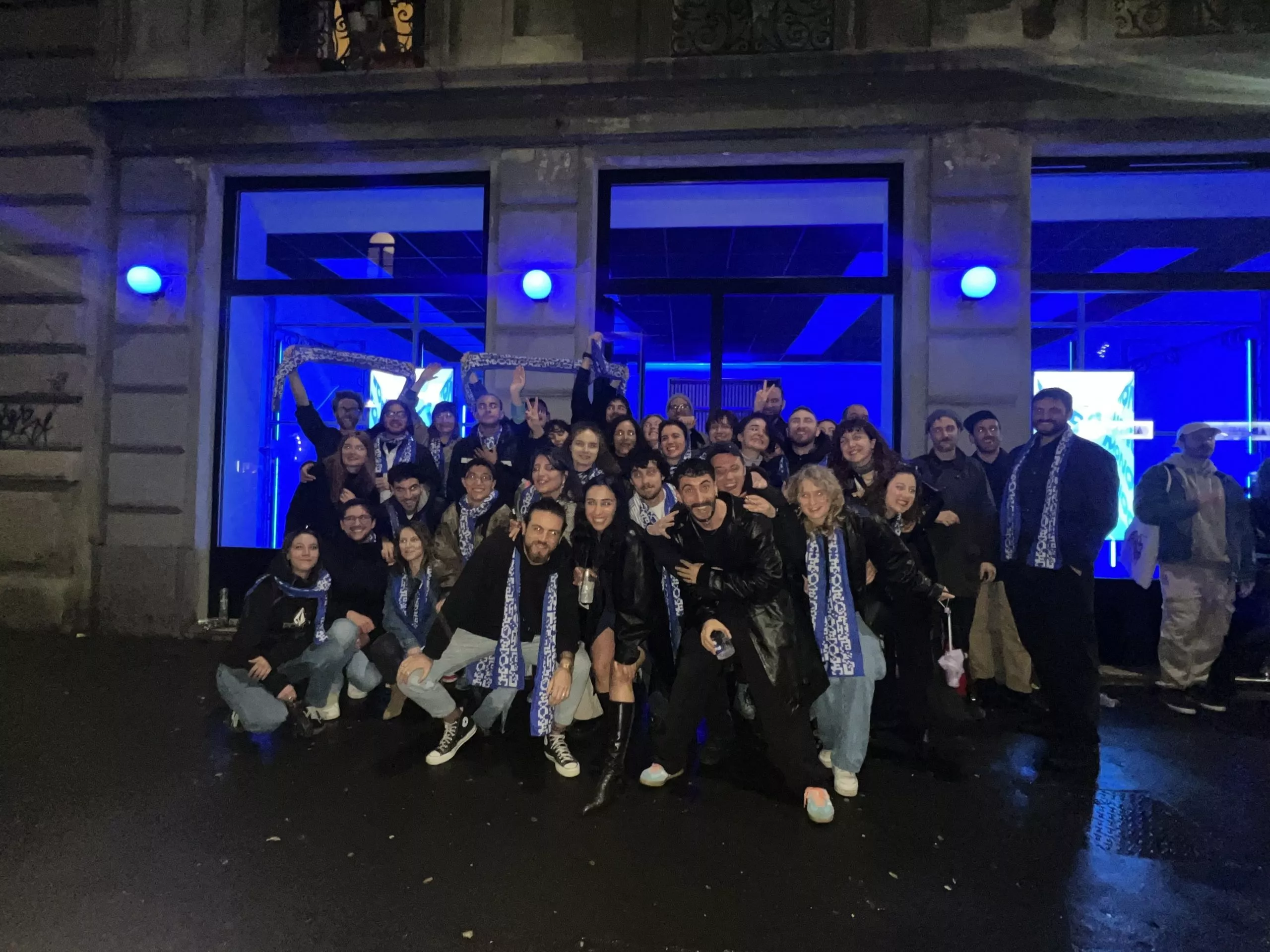
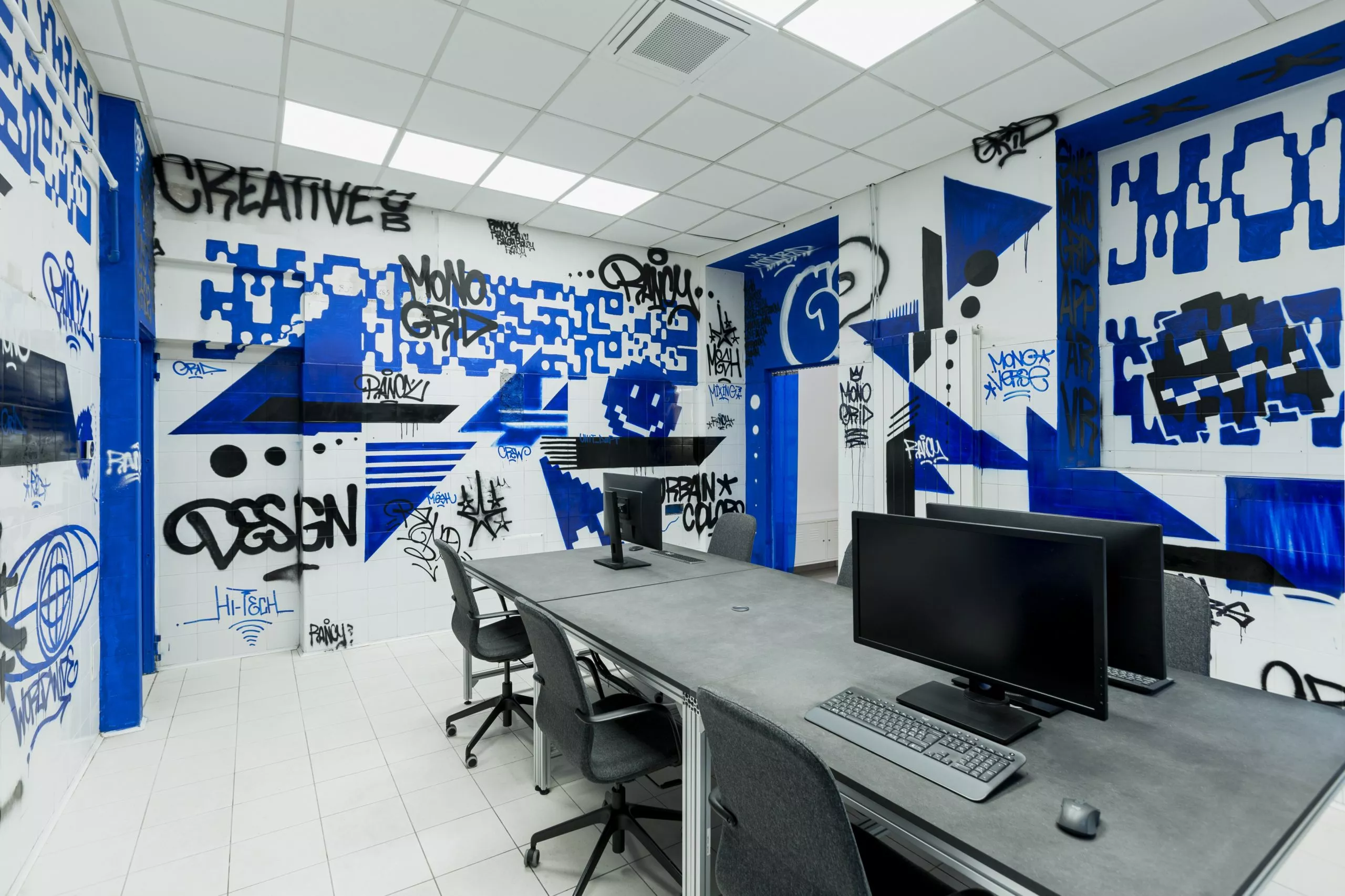
MONOGRID is a Creative Innovation Studio crafting immersive digital experiences for premium and luxury brands. Headquartered in Florence, with a Milan office and a presence in New York and Amsterdam, the studio blends creativity, design, and technology to deliver standout web experiences, AR/VR, content, installations, and events.
We spoke with Guglielmo Gori, Head of Growth at MONOGRID, about how the team uses Productive to connect creative production with operational control, gain full visibility over resources and budgets, and make data-driven decisions without compromising creativity.
Tell us a bit about MONOGRID and what you do.
At MONOGRID, we combine creativity with technology to craft immersive experiences for premium and luxury brands. We were born in 2016 and today count about 55 people across departments from creative and design to 3D, development, and production.
We work on a wide range of projects, digital experiences, AR and VR, content production, events, installations, and games, mainly for luxury and fashion brands across Italy, Europe, and the U.S.
As Head of Growth, my focus is on developing our business pipeline and ensuring we have the right structure and tools to scale while maintaining the high standards our clients expect.
Featured Project: Immersive Brand Collaborations – Valentino & Vans
We recently collaborated on an immersive digital experience that fused the timeless elegance of Valentino Garavani with the bold street culture of Vans. Our task was to create a virtual environment that honored both brands’ identities, Valentino’s heritage and craftsmanship, and Vans’ energetic, rebellious spirit. The result is a crossroads where high fashion meets laid-back authenticity, rendered through dynamic visuals, custom environments, and interactive storytelling.
We translated Valentino’s luxury details, sophisticated textures, and premium finishes, alongside Vans’ iconic designs and youthful edge. Our team focused on combining these elements in both style and function, ensuring that the interactive components felt true to both brands.
By bringing Valentino Garavani and Vans together in a shared digital space, we demonstrated how brand partnerships can go deeper than co-branding—they can become immersive stories that engage, surprise, and connect.

Source: monogrid.com
What pain points made you look for a new tool?
Before Productive, we were using multiple tools that didn’t communicate with each other: one for business development, another for time tracking, a third for task management, and spreadsheets for HR.
That fragmentation made it almost impossible to get a full picture of how the company was performing. We were constantly cross-referencing data to understand profitability or utilization, and even simple reporting took too much time.
We also struggled with visibility across departments. Each team had its own workflow, and without a shared overview, it was difficult to plan ahead or spot inefficiencies early. We knew we needed a unified system, something that would connect sales, projects, resources, and financials in one place.
That’s what led us to Productive.
Instead of looking at data retroactively, we can now forecast and act proactively, spotting risks or opportunities before they impact delivery or profitability.
What benefits did you see once you started using Productive? What’s your favorite feature?
The biggest benefit is clarity. All of our data, from pipeline and budgeting to project tracking and HR, now lives in one place. Productive gives us a real-time overview of everything happening in the studio.
That visibility supports better, faster decision-making. We can immediately see how each project is performing financially, how utilization looks across teams, and where we need to adjust. For me, the reporting system is especially powerful. As long as your input data is clean, you can build reports on almost anything: margins, revenue, capacity, and efficiency, and get a clear picture of where the business stands.
I’d say my favorite features are the reporting and sales pipeline. Reporting is incredibly flexible; we can extract the exact insights we need, from financial performance to resourcing and forecasting.
It’s also helped us become more strategic. Instead of looking at data retroactively, we can now forecast and act proactively, spotting risks or opportunities before they impact delivery or profitability.
Productive gives us a structure that supports creativity instead of constraining it. Teams have the freedom to focus on their craft, while leadership has the visibility to ensure projects stay profitable and deadlines are met.
How has Productive helped you balance creative freedom with operational control?
Working with luxury and fashion brands means balancing creative exploration with precise execution. Every project is unique, and expectations are high, both creatively and operationally.
Productive helps us manage that balance. It allows us to plan ahead and assemble the right team for each project, based on skills, experience, and availability, while tracking performance as we go. If something changes mid-production, we can quickly reallocate resources or update timelines.
It gives us a structure that supports creativity instead of constraining it. Teams have the freedom to focus on their craft, while leadership has the visibility to ensure projects stay profitable and deadlines are met. That balance has made a huge difference in how we work.
How would you feel if you didn’t have Productive?
Honestly, I can’t imagine going back. At first, people were hesitant about switching tools, but now Productive is part of how we operate every day.
Having one centralized platform where everyone can access the information they need is invaluable. It’s made our operations more transparent, our projects more profitable, and our work environment more collaborative.
Achieve Your Agency’s True Potential
Switch from multiple tools and spreadsheets to one scalable agency management system.
More stories


How Degordian Optimized Business Results With Productive

Degordian is a digital marketing agency with over 120 people and offices in Croatia, Serbia, Slovenia, Boston and New York. Their expertise? Digital marketing services—including performance marketing, brand communication, employer branding, and building websites.
We spoke with Degordian’s CEO, Daniel Ackermann and Ivana Honomihl Crnogorac, Business Process Manager to find out how this agency optimized various parts of their operations thanks to Productive.
First things first: what led you to Productive?
Ivana: Before switching to Productive we were using a lot of different tools to cover our daily operations. At one point we even tried to develop our own tool for time tracking and resource scheduling. We wanted a customizable tool that would fit our needs.
As you might guess, the main issue was that everything was dispersed and we were truly losing a lot of time trying to do our profitability and utilization analyses. As we grew, we realized that this kind of setup will present an issue with achieving our business goals.
Daniel then approached me with the idea of trying out Productive. I did some research, compared it with some other tools and we realized that Productive had the potential to be everything that we needed.
We Help Your Agency Reach New Heights
Switch from multiple tools and spreadsheets to one scalable agency management system.
The tool is really intuitive. We got used to it fairly quickly and didn’t really experience any major bumps in the road.
What was the onboarding process like for you?
Ivana: When we started the onboarding process, we thought it was going to be complicated, but we were wrong. We had a great training session with the Productive team. They walked us through the tool, explaining all of the key functionalities.
The tool is really intuitive. We got used to it fairly quickly and didn’t really experience any major bumps in the road. We got some great tips from your team, and we wrote a bunch of things down so new people can get onboarded quickly as well.
Since we transferred to Productive, we started talking more about everything that’s important for our business to grow and be stable.
I also have to hand it to your Support team—they’re really fast, really helpful, and every issue we had was resolved in a couple of days. It’s been a great experience, overall.

We can pull up data really quickly now, tailor it to our needs, and create all kinds of reports in a fraction of time compared to before.
Do you have a favorite feature?
Ivana: I’d say my favorite part is Reports. We can pull up data really quickly now, tailor it to our needs, and create all kinds of reports in a fraction of time compared to before. This really helped us get a better understanding of our performance in general. We’re also able to detect and address any issues we might have a lot faster than before.
We’d also love to use Scheduling more. We’re currently using it so we can have a better overview of our planning, but I think there’s a lot more potential in that part. We want to set up things so that we’re able to see workloads for various teams, which will help us plan future projects.
How about you, Daniel?
Daniel: I can’t really go for just one feature, so I’d have to say the results. The combination of features Productive offers really did help us. Now we have better utilization rates, more profitable projects, and better overall results. We’re trying to get everything through Productive, so we’re constantly adding segments of our processes into the tool to make everything fully integrated.

Our company could work without Productive, but the benefits that we get from it make it really hard to imagine living without Productive.
Would you say your job got easier since you switched to Productive?
Ivana: I’d say so, yes. Without Productive we’d be feeling overwhelmed since so much time would be spent on data consolidation. A lot of our processes were manual so you could never be sure if the data that you got was 100% true. We never knew if the results we were getting actually mirrored the real situation in our company. I think we would be feeling a bit lost without Productive
Daniel: Productive is really helpful, not just for us, but for everyone in the company. We have everything we need, integrated in one place. Our company could work without Productive, but the benefits that we get from it make it really hard to imagine living without Productive.
Achieve Your Agency’s True Potential
Switch from multiple tools and spreadsheets to one scalable agency management system.
More stories
How Etch Saved Time Getting Data Reports In Productive
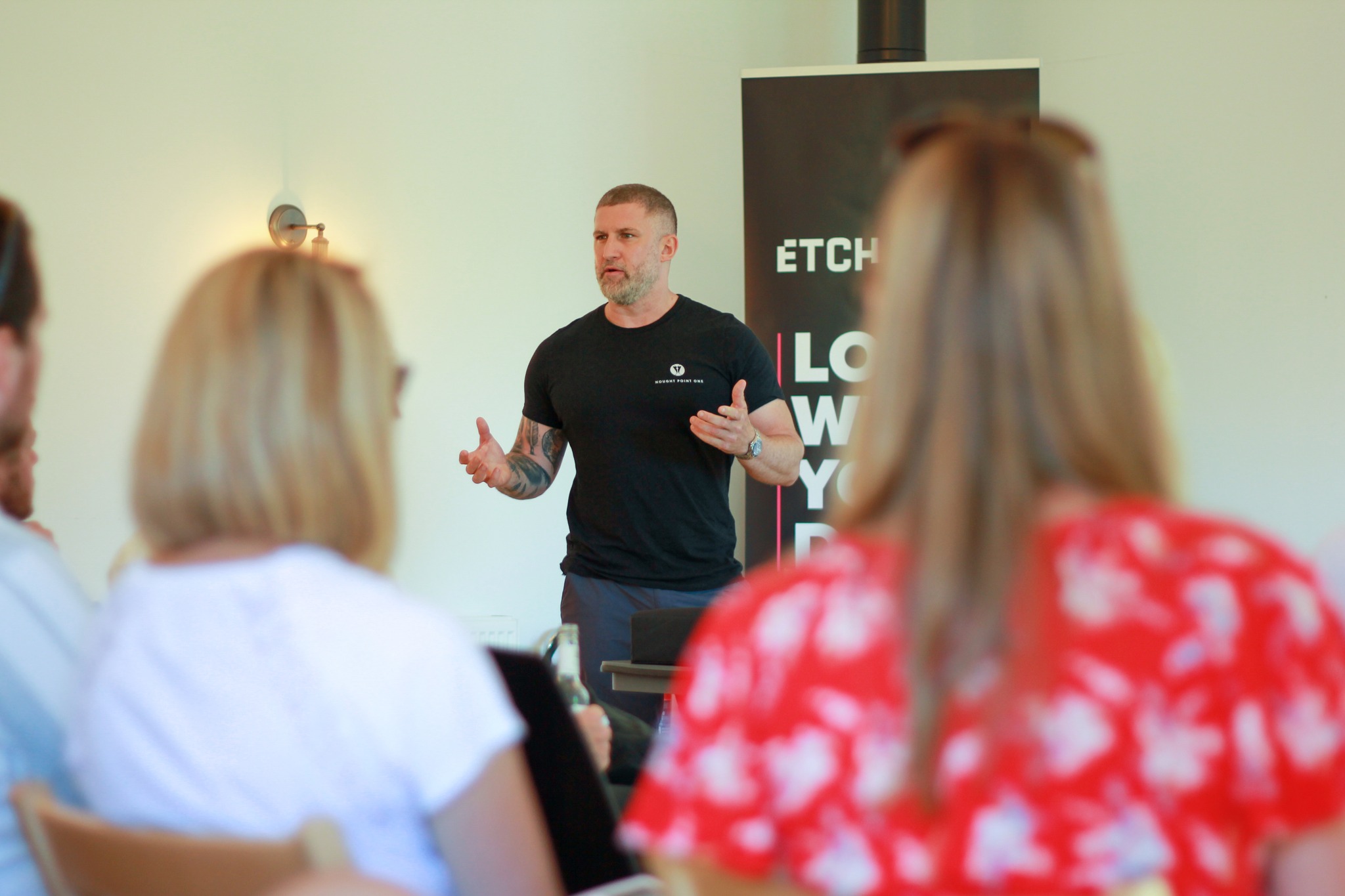
Etch is a digital customer experience consultancy whose main goal is to help organizations innovate their digital customer experience. From building, through to marketing and continuous improvement strategy—their clients include companies like Uber, British Airways, WWF and Maserati.
We spoke with Etch’s Finance Manager, Helen Mutch and Head of Commercial, Emma Smethurst about how Productive helped them save time on getting data reports and improve company-wide budgeting.
Can you tell us more about your roles at Etch?
Emma: Both of us sit in the Commercial team, so we’re responsible for looking at the efficiencies, the numbers, the data, and everything across the business—and trying to see what triggers and influences our lever.
The role of Head of Commercial is focused on operations, and part of that is finding the right tools that can help the team be more efficient—from time tracking, through task management, to just having better visibility of a client budget.
Helen: The role of the Finance Manager is more number-based, but there’s a lot of crossover with Operations. That was one of the main reasons we moved to Productive: to have this one source of truth across the business.
Achieve Your Agency’s True Potential
Switch from multiple tools and spreadsheets to one scalable agency management system.
We Help Your Agency Reach New Heights
Switch from multiple tools and spreadsheets to one scalable agency management system.
“The role of the Finance Manager is more number-based, but there’s a lot of crossover with Operations. That was one of the main reasons we moved to Productive: to have this one source of truth across the business.”
How was the learning curve for both you and your team members? Would you say that Productive is intuitive from a UX perspective?
Emma: We got positive feedback almost immediately after implementing Productive. Unlike tools that we’ve used in the past, Productive was intuitive and the onboarding process was quicker than we expected. We got really comfortable with it because everyone looks at it on a daily basis. Everyone is in love with it, even more so than we’ve expected.
We had a Productive clinic set up for the first 6 weeks, where people could drop by once a week and ask questions. There were people coming for the first couple of weeks, but that dropped really quickly because they got the hang of it on their own, which wasn’t the case with our previous systems.
“The support team are brilliant. Really quick. With the tools we used previously, it took three or four days to get a response. They never knew what you were asking.”
How was the onboarding training? Would that be something you recommend?
Emma: Yeah, absolutely. I would say the investment we made upfront—having the sessions and you guys helping us onboard—got us to where we needed to be much more quickly than if we hadn’t done it. That has helped massively. We went live the 1st of May, and I think we’d sorted any niggles out by the end of the June.

In your opinion, what are the game-changing features of Productive?
Emma: From a Commercial team perspective, the struggle was mostly task management. Now, in Productive, we’ve got various business projects set up where we have all our tasks and we can see progress and communicate. So that’s been a real game-changer as opposed to people using different tools which caused a lack of clarity.
Helen: Reports were a big thing for us as well. We have a colleague who manages a really big client of ours. We’d always have to chase her for reports before the monthly meetings and she wouldn’t be ready to send them. After we implemented Productive, the tables turned—now she’s chasing us for our part, because we’ve got all of the reports set up and ready in Productive.
“There are things that took around 10 hours before Productive—now take around 1 hour, or even less in some cases.”
What about the control over profit margins on your projects? Did you see any improvements in that area?
Helen: We definitely didn’t track profitability by client before. We could only do it by day rate and make an assumption on that day rate, and it would be recognized income divided by however many hours delivered.
We can easily track profitability now because we’ve got all of the rates in one place. We could have tracked it before, but there would have been so many errors exporting it all out.
Emma: So, we actually benefit even more now because we get more contractors to do fixed-price work. Obviously, there are potential savings there if there’s an over-burn on their part.
We’ve set the minimum margin for markups and everything within the system, so they can only put in costs at a certain margin, which means we know that it’s pretty much guaranteed that we’ll recover the margin on top of any contractor costs.
Helen: We had no over-burn in January of this year, which we’d almost never had before. So generally speaking, we are more profitable.
How happy are you with the way Productive has developed since you started using it?
Emma: So, you said the HubSpot integration would happen, that’s happened, the Docs would happen—that’s happened. Plus, there have been lots of other little fixes that have made life easier.
We can see that you’re listening to customers and making the changes, no matter how small they might be.
Achieve Your Agency’s True Potential
Switch from multiple tools and spreadsheets to one scalable agency management system.
More stories


How Productive Supports the Rapid Growth of Porsche Digital Croatia

Porsche Digital Croatia was founded in 2020 as a joint venture between Porsche Digital, a digital subsidiary of the sports car manufacturer, and Infinum, a leading design and development company in Croatia.
Their main mission is to find and scale new digital business models and improve the quality of products within Porsche. Their teams require a wide range of expertise since they cover software development and data science, as well as a little bit of everything in between.
We spoke with Dominik Frntić, Finance Manager, Draženka Levačić, HR Generalist, Anamarija Šepić, Recruitment Specialist, Mateja Gredelj, Office Assistant and Ivan Bello, Managing Director about how Productive helped Porsche Digital Croatia achieve its goals.
How do you use Productive at Porsche Digital Croatia?
Dominik: As the Finance Manager, I use Productive primarily for keeping track of unpaid invoices and task management.
Another thing Productive provides us is a good overview of what we have successfully tackled and what challenges are still unresolved. Sometimes you need to go back a couple of months and double check if something has been resolved, and Productive enables the team to easily do that.
Draženka: We use Productive to track all types of time off, such as vacation, sick leave, maternity leave, or any other category that we might need.
Mateja: One of the most important things for me is keeping track of the expenses and you can easily do that in Productive. You can keep track of your basic procurement, equipment, traveling…and the cool thing is, if you have travels related to a project, you can add them to that project and invoice them to whoever you need to.
Achieve Your Agency’s True Potential
Switch from multiple tools and spreadsheets to one scalable agency management system.
We Help Your Agency Reach New Heights
Switch from multiple tools and spreadsheets to one scalable agency management system.
How did you grow as a company and did Productive help you with hiring? Is it challenging to onboard new employees?
Draženka: Our company is only 2 years old and we faced a really big growth during that time. Last year, we grew from 48 to 98 people. I don’t even want to imagine onboarding 50 people without Productive. Our onboarding process is super efficient in Productive.
We have a template in Productive – called the Onboarding project and we open it the moment our candidate accepts an offer. That way we have everything that needs to be done for the new employee in one place.
Anamarija: The hiring process involves multiple individuals from various departments, including HR, management, design, and marketing. With Productive, updates and mentions are delivered directly to our inbox, ensuring that nothing goes unnoticed. This streamlines the process of sharing updates and getting feedback, making it faster and more efficient.

“One of the main benefits I would point out is the easy collaboration that is enabled directly in the tasks, invoices and projects.”
Has the platform followed the growth of the company?
Ivan: Productive is not just flexible, it also adapts to our growing needs. Our company’s ever-changing business processes are easily handled with its customization options.
Productive’s flexibility gave us the opportunity to adapt our initial configuration to the bigger organization, but also keeps on expanding as we do. As a fast-growing company, we follow the inspect-and-adapt approach to all aspects of our business.

Where do you get your most important business data? Can you point out a specific growth number?
Ivan: I get most of our business data from Reports. The data is generated in real time and it’s sent to us automatically.
Last year we had over 80% utilization company-wide. Having these metrics in real-time helps us make data-driven decisions.
We recently also expanded our insights with additional reporting and alerting triggers, that gives us a very good heads up when the above would change. This then gives us enough time to react, and make strategic plans.
“Productive is not just flexible, it also adapts to our growing needs. Our company’s ever-changing business processes are easily handled with its customization options.”
Last, but not least—how would you feel if you didn’t have Productive?
Dominik: Budgeting and invoicing would be very difficult.
Draženka: I don’t even want to imagine onboarding 50 people without using Productive…
Anamarija: Unproductive!
Mateja: I would feel lost in space and time.
Bello: Doing honest work, but blind.
Achieve Your Agency’s True Potential
Switch from multiple tools and spreadsheets to one scalable agency management system.
More stories


Productive Is Key to Akcelo’s Decision-Making

Akcelo is a brand experience agency that successfully covers marketing and advertising, building websites, apps and everything in between. They claim that their superpower is bringing all those disciplines together under a unique brand and customer experience. McDonalds, PepsiCo and Netflix are just a few global brands that they serve. With about 150 teammates spread out from Australia to Canada, this agency doesn’t plan on stopping—and it’s not even three years old yet.
We spoke with Miles Scott, Akcelo’s Chief Operating Officer to hear how this agency thrives using Productive as its core operating system.
Can you tell us a bit about your role at Akcelo?
I’m the COO and one of the five founders of the business, so my role basically entails all aspects of the operational areas of the business: day-to-day finance, resource management, and ensuring that that train stays on the rails.
We Help Your Business Reach New Heights
Switch from multiple tools and spreadsheets to one scalable business management system.
Before Productive you were using a few tools to manage your agency, namely WorkflowMax, JIRA, Smartsheet. Can you tell us a bit about that experience?
Yeah, we had a set of tools that weren’t really able to scale with us as a business. I suppose a bunch of tools that were kind of good for us, but didn’t really scale with and across different offices.
We wanted to make sure that we could find something that still enabled us to work fast. We didn’t want to get into a situation where we would have to buy a really expensive system and to customize it for our needs. We wanted something that was easy to onboard people to and that was able to do a number of jobs.
“I would say the onboarding experience is unparalleled—it was sensational. It was probably the best SaaS platform onboarding I’ve ever seen.“
Seeing as Akcelo operates in different time zones and is spread out geographically, how would you describe the onboarding experience? How was getting the whole agency up and running in Productive?
I would say the onboarding experience is unparalleled—it was sensational. It was probably the best SaaS platform onboarding I’ve ever seen, and Gabrijela did an absolutely amazing job.
I think the things that were most impressive were Productive understanding what our needs were, really deeply understanding our business and what we wanted. That was incredibly comforting, to know that someone was taking notice. The onboarding sessions were relevant, designed for us and extremely well prepared.
We were talking to a couple of platforms at the time, including a professional services firm that specialized in agency management, and they didn’t even pay as much attention. The onboarding experience was like a 15 out of 10 for me, really.
What were the biggest changes you saw once having implemented the tool?
The biggest game changer for us was being able to link scheduling with estimates and budgets. That was the big missing link that we had. We had scheduling in one tool, budgets in another, and our sales pipeline in a third tool.
We were finally able to marry data on our future scheduled work with things like finance, expected revenue, looking at where things are particularly unprofitable or where there’s particular issues with a project. Being able to forecast where projects might be going off the rails and might become unprofitable. Productive has enabled us to pick things up and get ahead of the game.
Now we can also have meaningful conversations with our teams about how we can put strategies in place to work with our clients and get things back on track.

“The reporting in Productive isn’t like anything I’ve ever seen in any other system. It’s extremely powerful. I think it would be underselling the tool to talk about one particular report because I think that what it unlocks is exceptional.“
It seems like you can get a pulse on your operations and on the business really quickly now. Did you get any data that you didn’t expect?
Correct, definitely. The reporting in Productive isn’t like anything I’ve ever seen in any other system. It’s extremely powerful. I think it would be underselling the tool to talk about one particular report because I think that what it unlocks is exceptional—the amount of filtering you can do and the amount of different ways you can cut data, the amount of different reports you can create.
You can set up templates and you can create reports for people as well. I’ve got reports that are set up for particular account teams so they can see how their team’s performing on jobs. I’ve got capacity reports that each of our department leads can easily go into. The ability to be able to save and be able to cut data in different ways is amazing. It’s the best feature of the tool, for sure.
To get those reports, obviously everyone needs to track time. Did you work like that before Productive?
It’s always hard to get time sheets filled out, but it’s been a really good experience in Productive. I think people have loved the calendar integration feature where you can time track in calendars. It’s pretty straightforward to do so I think that’s made our lives a bit easier.
How has the tool facilitated or encouraged Akcelo’s growth?
Productive is central to every decision we make financially and on hiring. So we do a weekly leadership team meeting every Tuesday morning. I pull up a screenshot of a report which shows everyone’s capacity utilization across the business. It shows how much they’re booked, every department, and then it’s every department’s responsibility to make sure people are filled up.
Generally, what would you say, how much easier is your job now?
I think one of the biggest time savers that I probably didn’t fully appreciate was the onboarding. Having new teammates come in, they’re able to pick the tool up really quickly and use it pretty much from the get-go because it’s fairly self-explanatory. It doesn’t take long for someone to learn it.
Also, the time it takes to create estimates and budgets, the time it takes to pull report up—all that is so easy. But I think the biggest impact for us is just getting those insights quicker and making decisions quicker than we ever could.
Achieve Your Agency’s True Potential
Switch from multiple tools and spreadsheets to one scalable agency management system.
More stories

Born Social Grew Over 25% In Under a Year Using Productive

Born Social is a global, full-service social media agency of 120 people who serve the needs of clients such as Guinness, Uber, and Nando’s. They operate and deliver content globally, with teams in the UK, France, Spain, Portugal, and Germany. We spoke with Born Social’s Managing Director, Kate Higham to hear about the benefits they’ve experienced since having switched to Productive.
Can you tell us about your role at Born Social?
I’m a Managing Director. I describe my role in two parts, part finance and operations, how we’re running the business as smoothly and effectively as we can, and part people and culture, so how we’re evolving our culture to meet the growth of the agency.
Achieve Your Agency’s True Potential
Switch from multiple tools and spreadsheets to one scalable agency management system.
We Help Your Agency Reach New Heights
Switch from multiple tools and spreadsheets to one scalable agency management system.
Let’s head straight into the learning curve you had with Productive. What has the UX been like?
I’ve only got positive things to say about Productive. It has really changed how we do things at Born Social. We timed the launch of Productive with the hiring of our first Resource Manager, so it was timed really well with us going through a change management process of centralizing our resource function. To have a fresh slate and a new tool to do that with was a really great opportunity.
When we were on the hunt for a new tool, one of the most important things for us was the user experience. You can’t underestimate finding a tool that feels like your company. Productive was exactly that for us. Onboarding and getting the team engaged in it has been super simple and smooth because of how intuitive the platform is. And, yeah, one of the things I love the most is that it looks and feels like Born Social.
How about customer success? What has your experience with Productive’s support been like?
I can’t speak more highly of the customer success and service team at Productive. We have moved from a tool where getting help and support was clunky—it was through a ticket system that could sometimes take days or weeks at times for requests. Having the internal chat function at Productive, along with the 3-month dedicated Slack Support for onboarding has been a real game changer.
In my role as a Managing Director, I can often be the funnel for requests, but thanks to the features at Productive I don’t need to be. Everyone can get their own help & support when they need it. That saves me time to spend on bigger things across the business. So, Productive’s customer success through those tools and that intuitive UX has been just an amazing time-save for us as a business.
“Even during month 1, the reporting we were getting out of there—we felt like the data integrity was right.”
When did you start seeing you were using the tool to the fullest?
We’ve been using Productive for around 8 months. If we look at the Scheduling, Budgeting, Time tracking, and Reporting—even during month 1, the reporting we were getting out of there—we felt like the data integrity was right. We were understanding how our time was being used better than we ever had before. We’ve had a big improvement in time tracking accuracy, particularly throughout the last quarter.
As an agency, what kind of reports do you focus most on?
Out of the key business metrics we’re tracking, I’m focused on 3-4 that are the most important to us. I immediately built a series of custom reports based on these key metrics, and it’s been so powerful to get such a clear picture of how we’re managing our time Recovery is perhaps our most important one. Recovery for us is like utilization but of just billable time.
Thanks to Productive’s Scheduling feature, and having our first dedicated Resource Manager, I would say we’ve been about a 10% growth in recovery so far. So you can really see the impact of better management of time in our commercials.
Next is our tracked vs. scoped time. So, of the time we sold, how much have we tracked? This is the metric that continues to grow in accuracy. With diving into that and really being able to see on an account-by-account level which roles are over-burning, or where we haven’t sold enough time—we’re getting all that clarity through the reports now.
We also look at account contribution. For us, that’s the profitability of accounts. That’s really helped us see which clients are bringing in a good margin and how we can make operational changes to improve that.
“Productive has played a key role in how we plan resourcing and hiring—really fueling that growth for us. Our headcount has grown 27% so far in 2022, and it feels like we’re on track to hit 30% growth by the end of the year.”
Since you started using the tool, you’ve grown from around 60 to over 100 people. Would you say that Productive was in any way beneficial for your growth?
Yes. It felt like for the first time we could see more clearly where we’ve got time available to sell, so that helped us use all of the time we had. Through the pipeline feature and Placeholder scheduling, we’ve got a clearer 90-day forecast.
All in all Productive has played a key role in how we plan resourcing and hiring—really fueling that growth for us. Our headcount has grown 27% so far in 2022, and it feels like we’re on track to hit 30% growth by the end of the year.
To wrap up, what would you say is the main benefit Productive brings you?
If I had to describe the one thing that Productive does for us it’s decision-making. Not just in my role, but across our finance and operations team. We are in and out of the platform on a daily basis, using the data and the reporting to help us make key commercial decisions about how we’re running the business, running our accounts, how we’re hiring and managing resources. It really is the tool for helping us make decisions.
Achieve Your Agency’s True Potential
Switch from multiple tools and spreadsheets to one scalable agency management system.
More stories
DotControl Digital Agency Increased Their Forecasted Utilization With Productive

DotControl is a digital agency that creates cutting-edge products for globally recognized clients such as McDonald’s, National Geographic, DPG Media, and Dura Vermeer. We visited part of the DotControl team at their Rotterdam office to chat with Mark Landman, Managing Partner and Bastiaan Ludeking, Head of Operations. Keep reading to learn how their agency work has transformed with Productive.
Can you tell us a bit about your business? What types of clients do you serve?
Mark: We’re DotControl, a Dutch-based digital agency. We provide our clients with reaching their digital ambitions. We do this in three aspects: we focus on e-commerce, we do digital product development, and digital communication.
Achieve Your Agency’s True Potential
Switch from multiple tools and spreadsheets to one scalable agency management system.
We Help Your Agency Reach New Heights
Switch from multiple tools and spreadsheets to one scalable agency management system.
When did you start looking for a new tool and what problems did you aim to solve?
Mark: In our previous set-up we had a “tool soup”, a combination of a wide range of applications, providing us with different solutions for different problems. Then our quest started: to find one solution which could provide us support in the whole funnel: from sales to planning and budget management, but also on the BI part… and that’s when we came up to Productive.
What impressed you or caught your interest when you first saw a demo of Productive?
Mark: We really think that if you can bring a tool to your organization, it’s a tool that should support your organization. If you then bring a UI that is not very user-friendly and people need to work with it… At the end of the day, it becomes a hindrance instead of a solution.
That was the thing that also caught my eye—the fact that it’s very user-friendly, very intuitive, and it doesn’t take a lot of cognitive energy to find the thing you’re looking for. That was the thing that surprised us very positively and also made us go for Productive.
What would you say are the top business benefits agencies can experience when using Productive?
Mark: The first benefit is that it works integrated: so, from creating a deal, towards a budget, towards your planning, towards your actual time tracking, and then onwards towards your invoicing and insights.
The cool thing about Productive, I think, is the fact that it’s all very user-friendly, as I mentioned before. So all the screens are very easy to handle and they work really fast.
What I really love is the fact that you can play around with it and create your own views on every different aspect of the data. It’s very easy to filter, select and export data and also save your views. Especially if you combine it with the insights part, then the real power comes alive.

How would you describe your operations and resource planning workflow now?
Bastiaan: My role specifically within DotControl is that I’m Head of Operations, so I coordinate the team that’s responsible for all project management and client coordination… basically the management between our clients and our teams.
I think the main thing that we wanted to solve was, on the one hand, having one system in place for our entire project administration—so from planning to time tracking, to project reporting, to clients. The other thing was that we wanted to have a little bit more insights on projects, to know how our projects are running, and how are the financials looking. Productive really gives us more clear insights and possibilities to create reporting. That’s really a benefit for us.
I think especially for my role, I had a lot of support during the implementation because we transferred from our old systems to Productive, and the support there was really great. We had a dedicated person guiding us through using Productive, doing training with us, with all the people on the team. That really helped us to quickly adapt to Productive and quickly make a switch to this new system. I really liked that part.
“Due to the fact that we now have better insights, we also have better monthly reporting, which really supports the overall performance of the organization. We saw that the total performance of the organization was moving up, from 50% to 60%, from 60% to 70%.”
You say you’re data-driven. How did the data you got from Productive shape your agency’s future?
Mark: In the past, we were planning month-by-month, now we’re doing 90-day rolling forecasts on utilization to have way better utilization and at the end of the day, better billability and also more ease for the team. So you can discover where you’re overbooking and where stress exists. Do I have the right people on the right project? Which is not only a benefit on the financial side but also on the human side.
Due to the fact that we now have better insights, we also have better monthly reporting, which really supports the overall performance of the organization.
We saw that the total performance of the organization was moving up, from 50% to 60%, from 60% to 70%, which is really great and we’re really thankful for that.
Achieve Your Agency’s True Potential
Switch from multiple tools and spreadsheets to one scalable agency management system.
More stories
Hike One Has Control Over Their Data and Growth With Productive

Hike One is a digital product design agency of over 70 “Hikers”. With offices in Amsterdam, Rotterdam and Eindhoven, Hike One works on digital products for big Dutch corporations. Though this agency boasts a flat hierarchy, we had a chat with Martijn Pillich who plays the role of Managing Director. Read on to discover the main benefits they’ve experienced after almost a year of using Productive.
Can you tell us a bit about Hike One?
We’re a design agency highly specialized in the design of functional digital products: mobile apps, web applications, and other types of apps. We’re spread across three offices—nowadays that’s a place where we get together since people mostly work from home. We have a couple of producers and strategists and we do research and then our in-house team works with partners who develop those products.
What were you using before Productive? What were your main requirements for a new tool?
We were using a combination of spreadsheets and a few different tools, but we couldn’t get all the data that we needed.
Right before Productive, we were using Simplicate. Even though we were putting a lot of data into the tool, we were missing reporting and we desperately needed to fix that.
Another thing that we needed was a system for resource management. With resource planning comes forecasting and getting a better idea of where your agency is going in the next few months.
Achieve Your Agency’s True Potential
Switch from multiple tools and spreadsheets to one scalable agency management system.
We Help Your Agency Reach New Heights
Switch from multiple tools and spreadsheets to one scalable agency management system.
How and when did you first hear about Productive?
Productive was on our shortlist while we were looking for a core agency management tool. Though our previous tool was in the same city, we now get much better support.
“We were relying on gut feelings and we knew that we didn’t have control over our data. Productive gave us that control.”
Can you share some concrete benefits you experienced after switching to Productive?
We started using Productive about a year ago. I started seeing benefits roughly three months in—patterns in the data. We were relying on gut feelings before and we knew that we didn’t have control over our data. Productive gave us that control.
Productive’s reports have already helped us make much more informed decisions. Before, we didn’t know profitability per client or profitability per employee.
Productive has helped us to increase our billable utilization by around 10%, resulting in a healthier profit margin
With Productive, we can plan further ahead – 6 to 8 weeks instead of 1 or 2 weeks, which brings more peace to the team
Thanks to Productive, potential problems in projects or with employees come to light much earlier, so we can solve them faster
Was it hard to learn how to use Reports?
I’d say no, but maybe that’s just me. I like getting reports so I’m really willing to learn. I love that Productive is really flexible. I can use it the way I want to and customize reports with custom fields and formulas. I can even export that data if I want to.
“What’s surprising about it is that you feel like you have this great relationship with a client, you’re doing great work and everyone is happy. Then you see the numbers and realize the profit margin is not that good at all, so you start reconsidering.“
Did any data that you started seeing shock or surprise you?
Absolutely. What’s surprising about it is that you feel like you have this great relationship with a client, you’re doing great work and everyone is happy. Then you see the numbers and realize the profit margin is not that good at all, so you start reconsidering.
We (also) saw that our seniors were underpriced, so we changed our pricing model thanks to the data we got in Productive. We then learned very quickly that some of our clients are happy to pay more if they can get more experienced people. But it’s that kind of thing that you don’t really think about if you don’t have those numbers in front of you.
So Reports definitely opened up a lot of good discussions. Instead of one gut feeling vs. another gut feeling, you can just open the reports and have a more rational conversation.
“With Productive we’re able to look a lot further ahead now. Before we used to plan projects about two weeks in advance. Now we’re accepting bookings for projects that start in 4-6 weeks.“
How has your forecasting window for resource planning and hiring changed?
With Productive we’re able to look a lot further ahead now. That changes the game quite a bit. Now our sales reps take that into account when talking to a client. Instead of promising we can start anytime, they can actually influence the efficient allocation of the entire team. That helps a lot.
It’s a delicate balance. Typically you need some preparation time before a new project, but you still want to start as soon as possible. Before we used to plan projects about two weeks in advance. Now we’re accepting bookings for projects that start in 4-6 weeks. That window gives us more time to prepare projects than before.
Now we have the optimal amount of time to inform everyone and it’s less volatile now. The next few weeks are fully booked, designers know what they can expect. Also, they can do better work if they’re not booked on too many projects at once, which Productive has helped us with, too.
“It’s my job to figure out what’s holding us back from growing even more. Productive gives me an answer to that question. All I do is make a new report to figure out what’s going on.”

Generally speaking, how much easier is your job since you started using Productive?
My job is a lot easier now! Maybe that’s because I’m a numbers guy. I like to understand what’s going on and be able to quantify what’s going on. It gives me a better vision of what’s the next most important objective.
It’s my job to figure out what’s holding us back from growing even more. Productive gives me an answer to that question. Before it would take a lot of talking to people and making custom spreadsheets. Now, all I do is make a new Report to figure out what’s going on.
Achieve Your Agency’s True Potential
Switch from multiple tools and spreadsheets to one scalable agency management system.