DonQ: Growing in Complexity With Full Operational Control
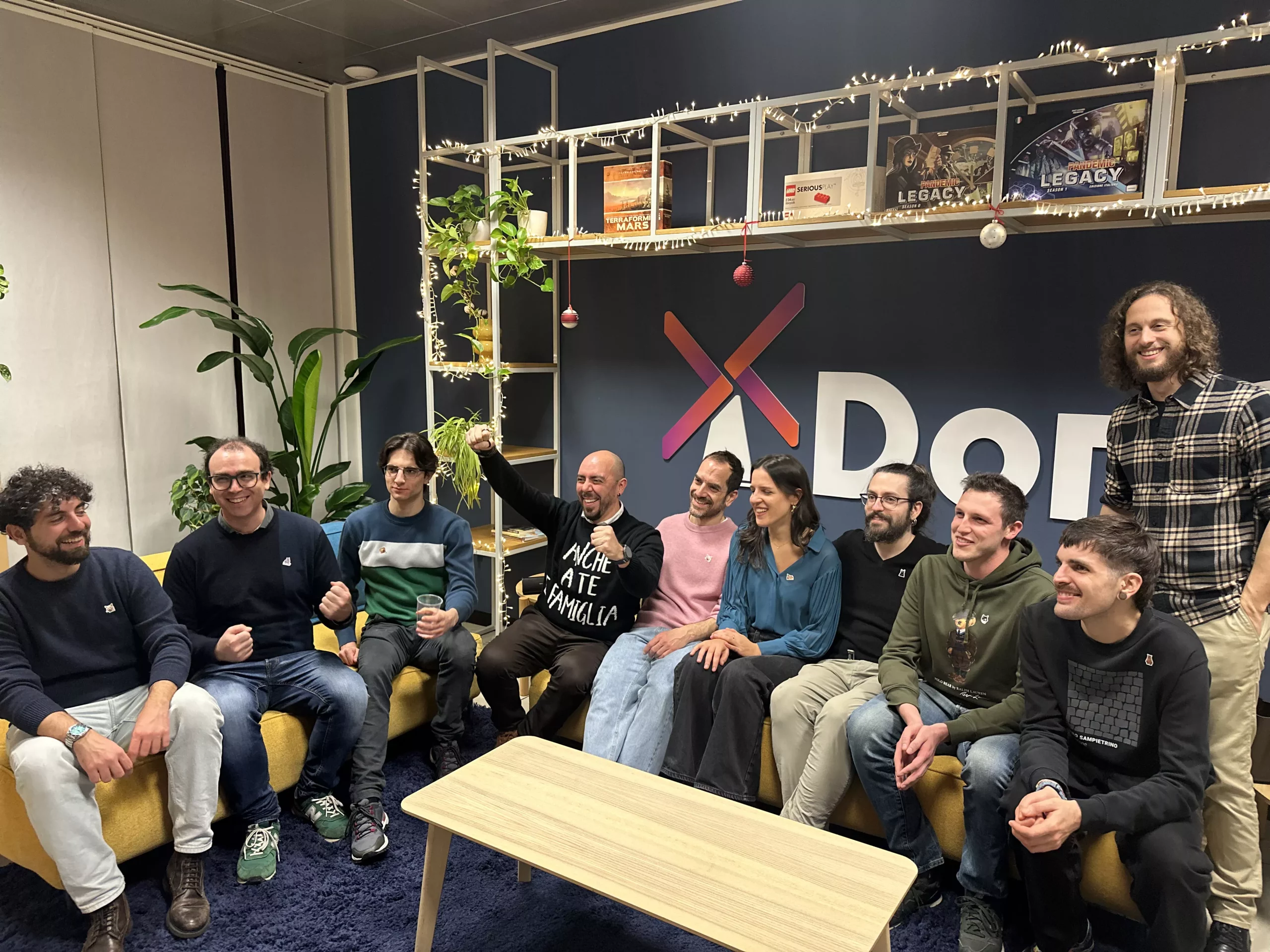
DonQ, an Italian software factory specializing in custom digital solutions — from applications and web platforms to e-commerce, enterprise systems, chatbots, and AI-powered products. Since 2018, the team has been turning innovative ideas into operational digital products, often within projects of high technical and organizational complexity.
We spoke with Annalisa Gennaro, Marketing and Communications Manager, about how the DonQ team uses Productive to manage complexity, gain real-time visibility over projects, resources, and budgets, and make informed decisions while maintaining agility and creativity.
We Help Your Agency Reach New Heights
Switch from multiple tools and spreadsheets to one scalable agency management system.
Tell us a bit about DonQ
We are DonQ, an Italian software factory specializing in designing and building custom digital solutions — from applications and web platforms to e-commerce, enterprise systems, chatbots, and AI-powered products.
Since 2018, our focus has been on rapidly transforming innovative ideas into operational digital products, often within projects with high technical and organizational complexity.
This is possible thanks to our agile approach, multidisciplinary teams, and a strong focus on cutting-edge technologies, especially artificial intelligence and process automation.
We work primarily with B2B companies and SMEs seeking tailor-made solutions, not off-the-shelf software that integrates with existing systems and is designed to evolve over time.
In our work, complexity isn’t the exception. It’s the norm.
Featured project: From Manual Operations to Scalable Growth – DogUp’s Digital Transformation
DogUp is an Italian pet food startup delivering personalized dog diets based on nutritional expertise and veterinary validation. As demand increased, internal operations, from diet calculation to order management, logistics, and invoicing, remained largely manual and spreadsheet-driven.
This approach limited scalability and made it difficult to support rapid growth while maintaining quality.
By partnering with us, DogUp restructured its operational backbone to ensure long-term scalability. Through a structured discovery and design process, we transformed an artisanal workflow into a modular digital platform.
The DogUp 2.0 project automated the nutritional algorithm, centralized operations in a single back office, and integrated logistics, payments, and invoicing to support a subscription-based model.
The result is a more efficient and resilient operating system that reduces friction, supports higher customer volumes, and strengthens DogUp’s position as a scalable, investor-ready digital brand.

How was your business overview before switching to Productive?
Before we adopted Productive, we were already using another tool — but it was too complex to configure and slow to adopt because it had too many features.
What we needed wasn’t more functionality, but something simpler and more immediate: a tool that we could start using quickly and that would serve as a practical guide for daily operations rather than a hurdle.
As our projects and client base grew, we found ourselves managing an increasing volume of parallel initiatives, shared resources, and constantly evolving scopes.
Project management, resource planning, and financial control were spread across multiple tools. While this worked in the short term, it quickly showed its limits:
- Fragmented view of project status
- Resource planning based on estimates that were difficult to update
- Economic data is only available retrospectively
The risk was obvious: we were spending more time managing work than creating value.
What was the final push that made you look for a tool?
We weren’t just looking for new project management software. We needed a system that could:
- Fragmented view of project status
- Resource planning based on estimates that were difficult to update
- Economic data is only available retrospectively
We wanted a platform that could make complexity readable without making processes rigid, and that would help us scale efficiently while maintaining clarity.

Productive stood out for its ability to connect day-to-day execution with a broader view of workloads, resources, and project economics. For us, this meant moving from reactive management to continuous, informed control.
Why did you choose Productive?
Productive stood out for its ability to connect day-to-day execution with a broader view of workloads, resources, and project economics.
For us, this meant moving from reactive management to continuous, informed control.
After adopting Productive, the first and most obvious benefit was real-time clarity. Today, we can:
- Monitor project progress with greater accuracy
- Plan resources more realistically
- Identify bottlenecks and overloads before they become critical
Time previously spent on manual reporting, cross-checking data, and internal alignment has been significantly reduced, freeing us to focus on higher-value activities such as design, research, experimentation, and client collaboration.
In a context where complexity is structural, Productive allows us to manage it, rather than be constrained by it.
What benefits did you see after switching to Productive?
Paolo Leone, CEO
Productive has significantly improved budgeting and profitability, especially through simple timesheets and overhead cost management.
The biggest benefit is having a shared space where all activities are clearly outlined—from high-level initiatives to granular, day-to-day tasks. Productive enables us to work across multiple levels simultaneously, from tactical planning to operational execution, while maintaining visibility and oversight.
It also supports collaboration by letting team members contribute, comment, and stay aligned—which is crucial for long-running initiatives that don’t fit neatly into hourly tasks. Overall, it strengthens transparency, shared understanding, and cross-functional teamwork.
Angela Mocellini, Project Manager
Productive brings order without adding unnecessary complexity. Resource planning is central: having a clear overview of workloads helps us assign the right people to the right projects at the right time, avoiding costly bottlenecks and overloads.
Integrated budget control is a major differentiator—tracked time is automatically reflected in budget consumption, so project profitability is visible in real time.
AI-powered reporting is my favorite feature. Reports that once required manual setup now generate in minutes, enabling immediate support for decision-making. Everything lives in a single ecosystem that truly functions as a single source of truth.
Federico Serafini, CTO
Productive strikes the right balance between flexibility and structure. It’s opinionated enough to avoid “choice paralysis,” but those opinions are logical and grounded.
It enables the operational, managerial, and financial layers of our business to interact seamlessly without interfering with one another. Plus, the intuitive UI and robust API let us build the deep, custom reporting we need.
Annalisa Gennaro, Marketing & Comms Manager
The Kanban board is my most-used feature. Having a clear visual overview of tasks is essential in marketing and communications, and the board structure feels natural and intuitive. It makes it easy to organize work and see progress at a glance.
Without disrupting the way we work, we’ve achieved tangible outcomes:
- Monitor project progress with greater accuracy
- Plan resources more realistically
- Identify bottlenecks and overloads before they become critical
In a context where complexity is structural, Productive allows us to manage it, rather than be constrained by it.
How was the onboarding?
Onboarding was quick and progressive. Productive was integrated into our existing workflows without disrupting daily operations.
The learning curve was accessible even for non-management roles, encouraging broad and consistent adoption. While the recent increase in features and interface changes has raised this curve somewhat, it remains a tool we enjoy using.
What’s your favorite feature?
The combination of resource planning and financial insights — not just static reporting, but as a daily operational guide for priorities, workloads, and strategic decisions.
For us, Productive has become a core part of our operational infrastructure.
Not an extra tool, but the reference point for understanding:
- where time is invested
- how team energy is distributed
- whether our current decisions are economically sustainable
In short, Productive enables us to grow without sacrificing control, clarity, or decision-making confidence.
Achieve Your Agency’s True Potential
Switch from multiple tools and spreadsheets to one scalable agency management system.
More stories


Building an Agency Around Quality—for Clients and People, Powered by Productive

Muhlert Digital is a Berlin-based digital marketing agency built around a simple but often overlooked principle: high-quality work starts with sustainable ways of working. Founded in 2022, the agency partners with ambitious brands to deliver senior-led digital marketing, SEO, analytics, and strategy—without overloading teams or sacrificing depth for scale.
We spoke with Quentin Muhlert, Founder and CEO of Muhlert Digital, about how the agency uses Productive to bring structure to its growing operations, gain real-time visibility into projects, resources, and profitability, and scale sustainably—without compromising service quality or the team’s well-being.
We Help Your Agency Reach New Heights
Switch from multiple tools and spreadsheets to one scalable agency management system.
Tell us a bit about Muhlert Digital and your role.
Muhlert Digital is a small digital marketing agency based in Berlin. I’m originally from Canada and spent time in the US doing the Silicon Valley thing before moving to Europe about 12 years ago. Before founding Muhlert Digital in 2022, I worked as an independent consultant for years and had experience both working at agencies and being part of agency growth from very early stages.
The reason I started the agency was simple: I’d seen too many agency models that didn’t work—for clients or for employees. Overloaded teams, junior handoffs that hurt quality, and people working unsustainable hours. We built Muhlert Digital around quality of service and quality of life. Our team is very senior, clients work directly with the people doing the work, and we’re intentional about not overloading anyone.
My role has evolved a lot. In the early days, I did almost everything—client work, strategy, and delivery. As we’ve grown to around 15 people and close to 40 clients, my focus has shifted more toward operations, sales, HR, team management, and overall business oversight. I’m still involved in strategy on key accounts, but my day-to-day is much more about running and scaling the agency.

How was your business overview before switching to Productive?
It was pretty fragmented. We were using Google Sheets heavily, Harvest for time tracking and invoicing, ClickUp for project management, and then more spreadsheets for capacity planning and reporting. A lot of things were manual, stitched together, and honestly pretty rough.
I knew from past experience that this kind of setup doesn’t scale well. You can make it work when you’re small, but as the agency grows, the admin and operational complexity grow exponentially. We were managing with multiple tools, but there was no single source of truth, and getting a clear overview took way too much effort.
What was the final push that made you look for a tool?
It wasn’t a crisis moment—it was more proactive than that. I’ve been part of agencies at different growth stages before, so I knew we’d eventually hit a wall if we didn’t put the right systems in place early.
Rather than waiting until projects were falling apart or profitability was unclear, I started looking for an integrated tool a couple of months before we truly needed it. I wanted something that could support where we were going, not just where we were at the time. That planning mindset was really the final push.
Once everything was set up properly, I could pull reports on profitability, hours per client, utilization per employee, or monthly workload in seconds.
What benefits did you see after switching to Productive?
The biggest benefit was visibility. Once everything was set up properly, I could pull reports on profitability, hours per client, utilization per employee, or monthly workload in seconds.
That’s incredibly important to us because it ties directly to our values. We want to make sure clients are properly serviced and that no one on the team is quietly burning out. If someone is consistently working 60-hour weeks, Productive makes that visible, so we can step in and fix the situation.
It’s also made my job significantly easier as we’ve scaled. We’re running more complex projects now, including detailed financial tracking and managing multiple POs and client budgets. Productive gives us transparency and control that would be nearly impossible to manage manually at our current size.
How was the onboarding?
We didn’t do paid onboarding, mostly because we assumed we’d figure it out ourselves. The Productive team was still very helpful and always available for follow-up questions, which made a big difference.
In hindsight, we probably should have invested in paid onboarding. We relied a bit too much on our SaaS experience and underestimated the importance of fully mapping out workflows, historical data imports, and month-end processes from the start. There was some trial and error, but once everything clicked, it’s been smooth and very effective.
What’s your favorite feature?
Reporting, without a doubt. Being able to quickly pull accurate reports across projects, people, and finances is incredibly powerful.
Budget management is a close second—especially for more complex projects with multiple POs and financial moving parts. Those are the areas where Productive really shines and where it saves us the most time and mental energy.
At our current scale, doing what we do without Productive would mean a huge amount of manual work, spreadsheets, and duct-taped processes. It’s become an enabling force for the agency.
How would you feel if you didn’t have Productive?
Honestly, it would be a nightmare. We’d either have to find another tool with a very similar feature set—probably at a much higher cost—or build a custom solution ourselves.
At our current scale, doing what we do without Productive would mean a huge amount of manual work, spreadsheets, and duct-taped processes. It’s become an enabling force for the agency. I genuinely can’t imagine running the business the way we do now without it.
Achieve Your Agency’s True Potential
Switch from multiple tools and spreadsheets to one scalable agency management system.
More stories
One system, fewer mistakes: How StudioVi runs operations with Productive

StudioVi is a digital product and automation studio helping complex organizations streamline workflows and build smarter systems. Founded over a decade ago and headquartered in Amsterdam, StudioVi combines design thinking, custom development, and process automation to deliver end-to-end solutions for clients across real estate, project development, construction, and civil engineering.
We spoke with Victor Eekhof, CTO and Co-Founder of Studio Vi, about how the team uses Productive to centralize project operations, connect budgets with time and resources, and maintain control and confidence as the company scales — without adding unnecessary complexity to their way of working.
We Help Your Agency Reach New Heights
Switch from multiple tools and spreadsheets to one scalable agency management system.
Tell us a bit about StudioVi and your role
StudioVi has been around for about ten years now. We actually started very organically — my founding partner and I began at a kitchen table, building websites. He comes from a design background, and I come from development, and that combination worked really well from the start.
Over the years, we’ve grown the team step by step and evolved our focus. Initially, we worked mostly on websites and some apps, but in 2019, we started exploring conversational AI and automation. In 2023, we’ve shifted toward working with larger clients, particularly in industries like real estate, project development, construction, and civil engineering. A big part of our work now is to help our partners improve their mission-critical processes through design thinking, automation, and custom development — from strategy through implementation to maintenance.
As CTO, I am responsible for the company’s overall technical vision and execution. This includes defining and evolving the tech stack, making architectural decisions, leading technical teams, and planning resources to ensure predictable delivery. I work closely with clients to provide transparency on scope, timelines, and ownership. As a co-founder, I am also actively involved in operational and strategic planning.

How was your business overview before switching to Productive?
Before Productive, our setup was quite fragmented. We used Asana for project management, tried Jira for some technical projects, tracked time in Harvest at one point, had HubSpot for CRM, and still used our own invoicing system. On top of that, many things were either handled manually or lived only in people’s heads.
As the team grew, this became harder to manage. Reporting was especially difficult because the data was spread across multiple tools, and some insights were just too time-consuming to pull together properly.
What was the final push that made you look for a new tool?
The biggest trigger was reporting frustration. We couldn’t easily get a clear overview of budgets, time, and resources, and pulling reports required significant manual work. Because of that, things either didn’t get done at all or weren’t done often enough.
At the same time, with more people working on more projects, the way we were operating simply didn’t scale. That’s when we realized we needed a central platform to bring everything together.
Overall, Productive has given us more control, fewer errors, and a much calmer way of running our operations — even as we’ve grown and our projects have become more complex.
What benefits did you see after switching to Productive?
After we switched to Productive, the biggest benefit for us was having everything connected in one place — budgeting, time tracking, and resource management. We can create budgets, track time against them, and immediately see how projects are performing, without having to pull data from different systems.
My job became noticeably easier. I was heavily involved in resource planning and budgeting developer costs, and before Productive, that meant a lot of manual work and guesswork. Now everything is stored centrally, and creating reports is straightforward. It eliminated a lot of noise.
Because all the data is already there, it’s much easier to get a clear overview and make decisions with confidence. We spend less time chasing information and more time actually working on the business. Overall, Productive has given us more control, fewer errors, and a much calmer way of running our operations — even as we’ve grown and our projects have become more complex.
How was the onboarding?
The onboarding was handled mostly by my colleague Viktoria, who spent a lot of time really diving into what Productive could do. The support was very good — whenever we had questions or specific requests, we had calls with the team and always got clear answers.
Of course, some things required us to adjust our workflows slightly, but once we committed to Productive, we never regretted it. We’re now in a very stable setup where everything just works.
What’s your favorite feature?
“Favorite” is a big word, but for me, it’s everything around company time and time approval. That’s what I use most personally.
Being able to see who’s working on what, approve time, and connect tasks directly to time entries works very smoothly. It gives a lot of clarity and control, especially from an operational perspective.
How would you feel if you didn’t have Productive?
Honestly, I’d be completely lost.
Work life would be much more chaotic, with more room for mistakes and less confidence in our approach. We’d have far less control over budgeting, time tracking, and workflows. Productive gives us structure and confidence — without it, everything would feel much harder to manage.
Achieve Your Agency’s True Potential
Switch from multiple tools and spreadsheets to one scalable agency management system.
More stories
Where Bold Ideas Thrive and Operations Stay Sharp: MONOGRID’s Story
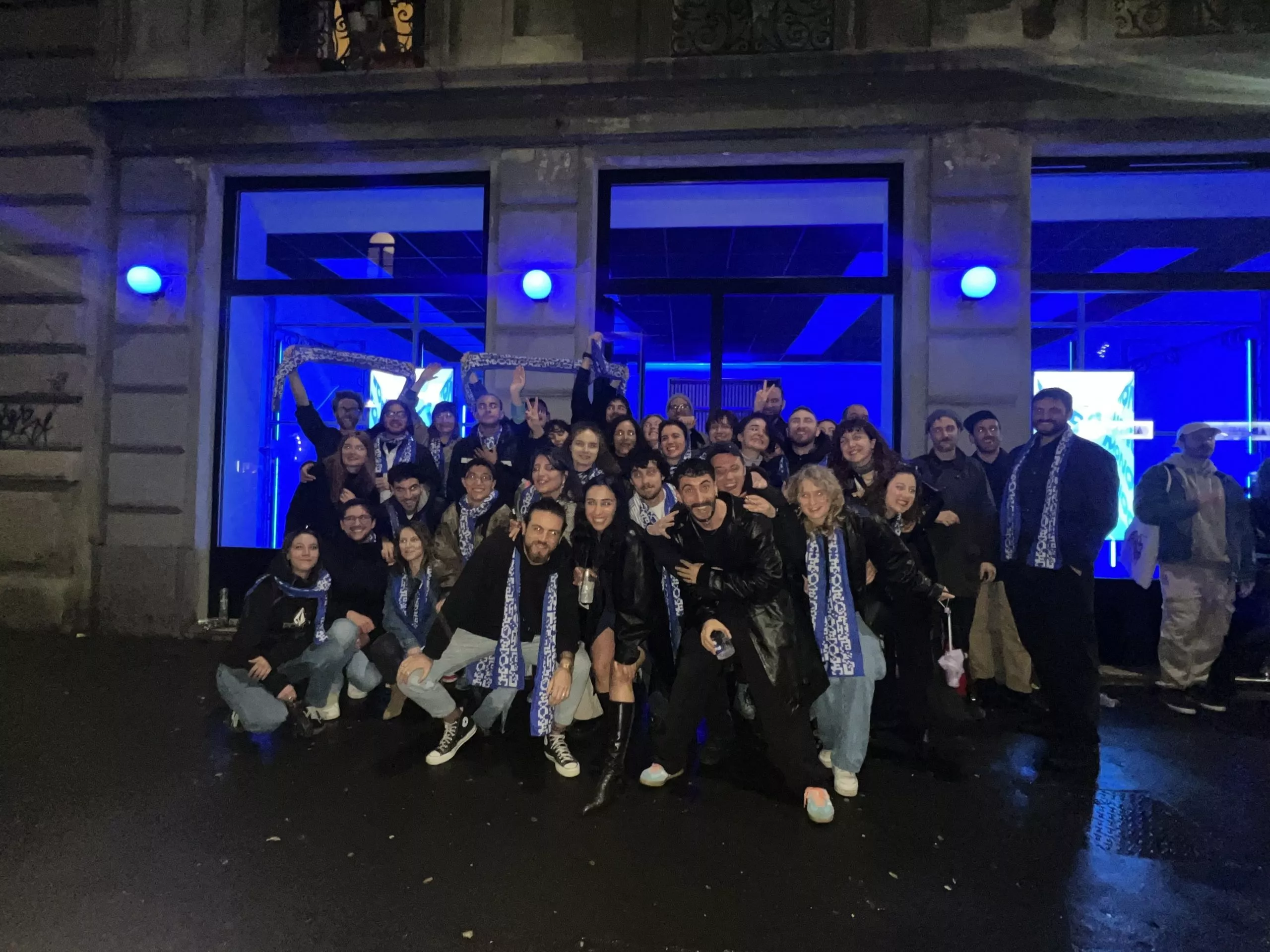
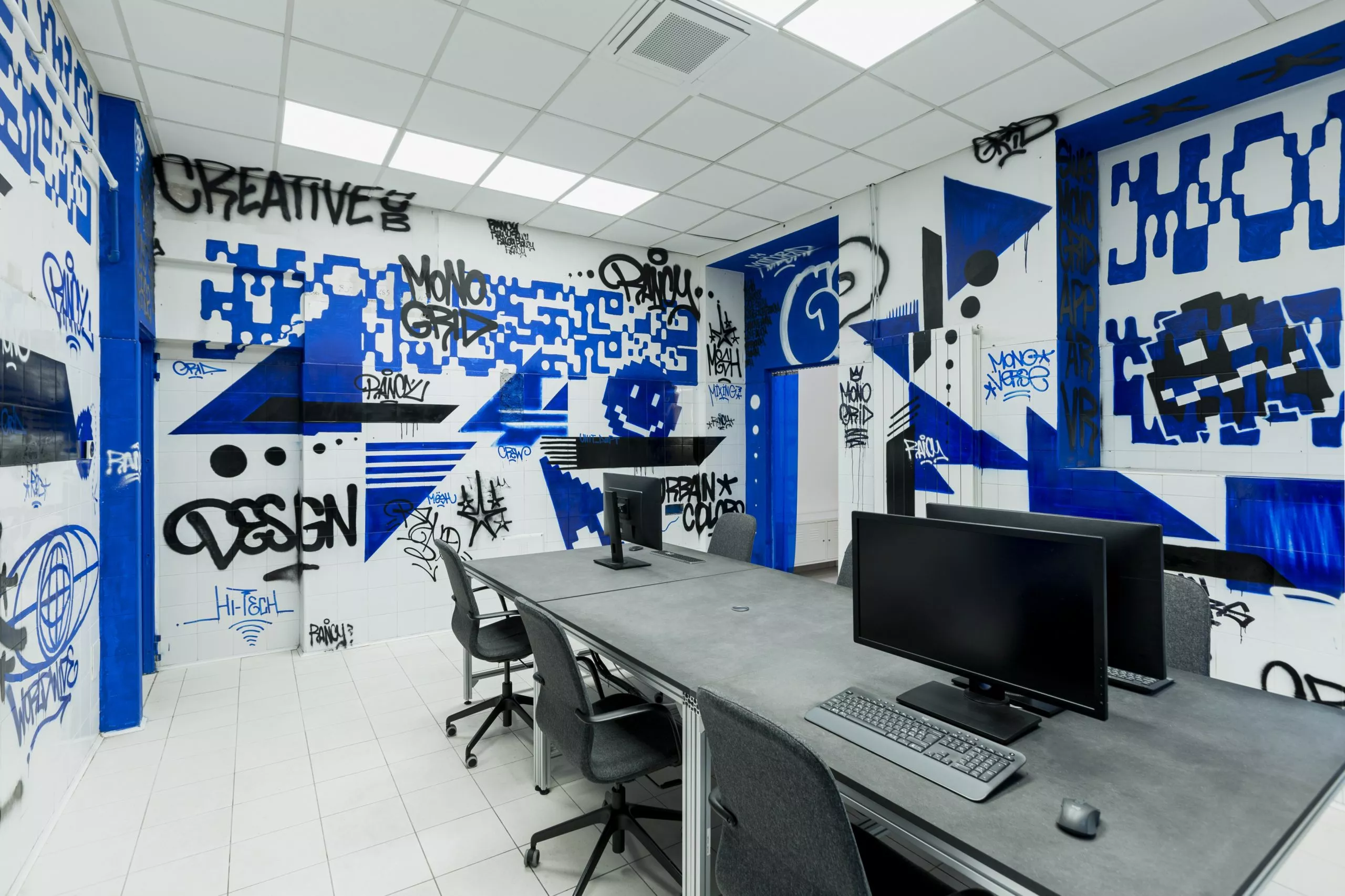
MONOGRID is a Creative Innovation Studio crafting immersive digital experiences for premium and luxury brands. Headquartered in Florence, with a Milan office and a presence in New York and Amsterdam, the studio blends creativity, design, and technology to deliver standout web experiences, AR/VR, content, installations, and events.
We spoke with Guglielmo Gori, Head of Growth at MONOGRID, about how the team uses Productive to connect creative production with operational control, gain full visibility over resources and budgets, and make data-driven decisions without compromising creativity.
Tell us a bit about MONOGRID and what you do.
At MONOGRID, we combine creativity with technology to craft immersive experiences for premium and luxury brands. We were born in 2016 and today count about 55 people across departments from creative and design to 3D, development, and production.
We work on a wide range of projects, digital experiences, AR and VR, content production, events, installations, and games, mainly for luxury and fashion brands across Italy, Europe, and the U.S.
As Head of Growth, my focus is on developing our business pipeline and ensuring we have the right structure and tools to scale while maintaining the high standards our clients expect.
Featured Project: Immersive Brand Collaborations – Valentino & Vans
We recently collaborated on an immersive digital experience that fused the timeless elegance of Valentino Garavani with the bold street culture of Vans. Our task was to create a virtual environment that honored both brands’ identities, Valentino’s heritage and craftsmanship, and Vans’ energetic, rebellious spirit. The result is a crossroads where high fashion meets laid-back authenticity, rendered through dynamic visuals, custom environments, and interactive storytelling.
We translated Valentino’s luxury details, sophisticated textures, and premium finishes, alongside Vans’ iconic designs and youthful edge. Our team focused on combining these elements in both style and function, ensuring that the interactive components felt true to both brands.
By bringing Valentino Garavani and Vans together in a shared digital space, we demonstrated how brand partnerships can go deeper than co-branding—they can become immersive stories that engage, surprise, and connect.

Source: monogrid.com
What pain points made you look for a new tool?
Before Productive, we were using multiple tools that didn’t communicate with each other: one for business development, another for time tracking, a third for task management, and spreadsheets for HR.
That fragmentation made it almost impossible to get a full picture of how the company was performing. We were constantly cross-referencing data to understand profitability or utilization, and even simple reporting took too much time.
We also struggled with visibility across departments. Each team had its own workflow, and without a shared overview, it was difficult to plan ahead or spot inefficiencies early. We knew we needed a unified system, something that would connect sales, projects, resources, and financials in one place.
That’s what led us to Productive.
Instead of looking at data retroactively, we can now forecast and act proactively, spotting risks or opportunities before they impact delivery or profitability.
What benefits did you see once you started using Productive? What’s your favorite feature?
The biggest benefit is clarity. All of our data, from pipeline and budgeting to project tracking and HR, now lives in one place. Productive gives us a real-time overview of everything happening in the studio.
That visibility supports better, faster decision-making. We can immediately see how each project is performing financially, how utilization looks across teams, and where we need to adjust. For me, the reporting system is especially powerful. As long as your input data is clean, you can build reports on almost anything: margins, revenue, capacity, and efficiency, and get a clear picture of where the business stands.
I’d say my favorite features are the reporting and sales pipeline. Reporting is incredibly flexible; we can extract the exact insights we need, from financial performance to resourcing and forecasting.
It’s also helped us become more strategic. Instead of looking at data retroactively, we can now forecast and act proactively, spotting risks or opportunities before they impact delivery or profitability.
Productive gives us a structure that supports creativity instead of constraining it. Teams have the freedom to focus on their craft, while leadership has the visibility to ensure projects stay profitable and deadlines are met.
How has Productive helped you balance creative freedom with operational control?
Working with luxury and fashion brands means balancing creative exploration with precise execution. Every project is unique, and expectations are high, both creatively and operationally.
Productive helps us manage that balance. It allows us to plan ahead and assemble the right team for each project, based on skills, experience, and availability, while tracking performance as we go. If something changes mid-production, we can quickly reallocate resources or update timelines.
It gives us a structure that supports creativity instead of constraining it. Teams have the freedom to focus on their craft, while leadership has the visibility to ensure projects stay profitable and deadlines are met. That balance has made a huge difference in how we work.
How would you feel if you didn’t have Productive?
Honestly, I can’t imagine going back. At first, people were hesitant about switching tools, but now Productive is part of how we operate every day.
Having one centralized platform where everyone can access the information they need is invaluable. It’s made our operations more transparent, our projects more profitable, and our work environment more collaborative.
Achieve Your Agency’s True Potential
Switch from multiple tools and spreadsheets to one scalable agency management system.
More stories


Customer-Centric Marketing, Powered by Productive: Reflect Digital’s Story
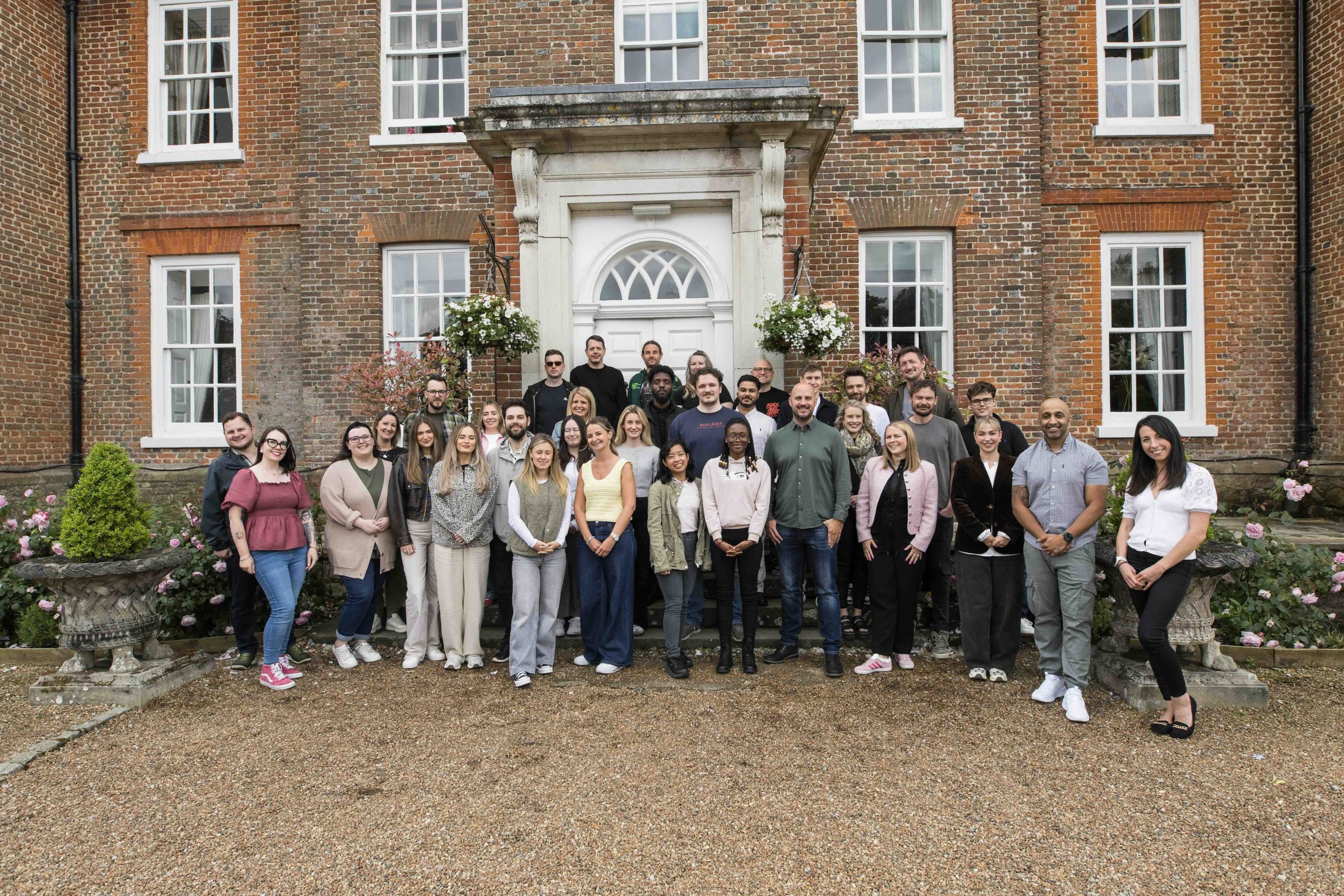
Reflect Digital is the digital marketing agency your customers will thank you for hiring. Part of The Human First Collective alongside LAB, Freestyle, and Aspiration Digital, the agency partners with ambitious global brands and eCommerce businesses to elevate their marketing through true customer centricity. By combining human insights with psychological nudges, Reflect Digital helps clients optimize strategies, unleash digital performance, and drive measurable revenue growth.
We spoke with Helen Wheeler, Delivery Manager at Reflect Digital, about how her team uses Productive to manage resources, streamline operations, and unlock efficiencies across the agency.
We Help Your Agency Reach New Heights
Switch from multiple tools and spreadsheets to one scalable agency management system.
Could you tell us a little bit about Reflect Digital and your role within the company?
Reflect Digital is a performance marketing agency and part of the Human First Collective, alongside our agencies, including LAB, a digital experience and technology agency, and the recently acquired digital transformation agency, Freestyle. Together, we work across a wide range of clients and sectors, with a particular focus on travel and tourism, hospitality, and property. I work as a Delivery Manager, which is heavily operations-focused. I spend a significant amount of time in Productive, monitoring resourcing and utilization across the business, as well as managing budgets and various project management tasks. In essence, I oversee day-to-day operations to ensure everything runs smoothly across departments and projects.

“We manage everything through Productive, from projects, budgets, and resourcing to task scheduling, timesheets, and reporting. That means not just treating it as a time tracker or project tool, but making it the backbone of our operations.”
How has your use of Productive evolved over time?
Reflect Digital has been using Productive for some time, and in my just under a year here, I’ve already noticed how much more integral it has become to our day-to-day operations. Earlier this year, we began using features such as AI reporting and automations. The AI side, especially in reporting, has been a learning curve, but as a business, we’re very forward-thinking when it comes to AI, so it’s exciting to explore how that can enhance our decision-making.
Automations are another area we’ve only just started tapping into, but they’ve already proven to be a real game-changer. Setting up task descriptions to automatically populate based on tags may seem minor, but it streamlines workflows and ensures consistency across the team. I can see us using automations more and more, especially for deals, where tasks could be automatically created at specific stages of the pipeline.
Beyond new features, our general usage has deepened too. My philosophy is that if you’re going to invest in a system like Productive, you should use it to its full potential. We manage everything through Productive, from projects, budgets, and resourcing to task scheduling, timesheets, and reporting. That means not just treating it as a time tracker or project tool, but making it the backbone of our operations.
What pain points has Productive solved for you?
The biggest one is definitely consolidation. Instead of juggling multiple tools and trying to get them to communicate with each other, we can run the full project lifecycle all in one place, from the initial call with a prospect through to delivery and reporting. That alone saves a considerable amount of effort and reduces the chance of things slipping through the cracks.
Tasks being inside Productive have also been a significant benefit. It means we don’t have to switch between project management tools and to-do lists; everything lives in the same system. Another big advantage is being able to customise tasks with custom fields, which lets us adapt workflows precisely to our teams’ needs.
Reporting is another area where Productive has resolved many issues for our business. We can pull reports on utilization, profitability, or project performance in ways that actually support decision-making. Once they’re in place, the insights are really powerful, and I’m particularly interested in Polaris because it allows us to combine different datasets into more advanced reports, something that was never easy to achieve before.
How was your onboarding onto Productive?
Initially, I gained a lot of knowledge through our own training manuals and by exploring the system myself. I also connected with Natasha, our success manager, quite early on, and then had a quarterly review soon after. Those regular touchpoints have been really helpful, especially in the beginning, whilst I was still getting my bearings. Productive is intuitive, so it didn’t take long to get comfortable using it. I value the fact that there are multiple ways to approach tasks, and we’ve kept quarterly reviews in place to check in, learn about new features, and make sure we’re getting the most out of the tool.
What’s your favorite feature in Productive?
I would have said the resource planner, because that’s where I spend most of my time. I love how customizable it is, how you can save different views, and how it gives you just the right amount of information. Since setting up my first automation, it’s quickly become a favourite feature. It feels smart, and I can already see the time savings it brings. For instance, we’ve automated task descriptions based on tags, so the correct template is always pre-filled for the team. It’s a simple change, but it makes a big impact, and I can see real potential to expand this into deals and other areas.
“Without Productive, we’d be less efficient, under more pressure, and more prone to mistakes. Honestly, as a business, we’d really feel its absence.”
How would you feel if you didn’t have Productive?
It would feel like going back to spreadsheets, and no one wants that. Spreadsheets are often confusing, error-prone, and a nightmare to keep up to date. Productive gives us a clear “source of truth” that we rely on. I’ve used other systems in the past that cost more and did less, so I really appreciate how well Productive works. Even timesheets, something people usually dread, are now easier thanks to Google Calendar integration, which has completely transformed adoption for us. Without Productive, we’d be less efficient, under more pressure, and more prone to mistakes. Honestly, as a business, we’d really feel its absence.
Achieve Your Agency’s True Potential
Switch from multiple tools and spreadsheets to one scalable agency management system.
More stories
Powering Global Growth with Productive: How PIABO Communications Streamlined Operations Across Regions

PIABO Communications is Europe’s leading communications agency for tech-driven innovation, supporting some of the world’s most forward-thinking companies. Headquartered in Berlin, PIABO offers a comprehensive suite of services—from PR and social media to brand strategy and influencer programs—across various industries, including AI, fintech, deeptech, and greentech.
We spoke with Johanna Broese, Head of Business Operations at PIABO, about how the agency is using Productive to streamline internal processes, support international growth, and gain real-time visibility into project and team performance.
We Help Your Agency Reach New Heights
Switch from multiple tools and spreadsheets to one scalable agency management system.
Could you tell us a bit about PIABO and your role?
PIABO Communications, based in Berlin, Hamburg, Munich, Paris, and Singapore, is Europe’s leading communications agency and growth platform for the world’s most innovative companies. PIABO achieves outstanding international visibility for businesses in sectors such as e-commerce, traveltech, fintech, foodtech, HR tech, healthtech, blockchain/web3, consumer electronics, IoT, artificial intelligence, cybersecurity, AR/VR, deeptech, SaaS/cloud, and greentech—supported by strategic venture capital expertise across all tech verticals.
Their multidisciplinary consulting teams offer services that include public relations, social media, brand strategy, content marketing, and influencer programs. PIABO is led by Founder and CEO Tilo Bonow and Managing Director and COO Daniela Harzer, and has been a strategic partner to clients—helping them achieve both local and global growth—since 2006.
The client portfolio includes GitHub, Google, Ledger, Open AI, Sequoia Capital, Shopify, Sojade, and Withings.
As Head of Business Operations, I’m responsible, along with my teams, for all internal processes, including quality assurance and automation. This includes specific tasks such as drawing up customer contracts and offers, capacity planning, and time tracking. I’m also in charge of our IT and Tools Department. We’re currently focused on optimization through AI solutions.

Did you use any tools before Productive?
Before we used Productive, we had a different agency software. While all processes worked relatively well, it was much more cumbersome for individual users, especially when it came to time tracking and capacity planning. We also couldn’t do any analyses or build dashboards.
How did you handle resource planning and profitability tracking before Productive?
We used the same resource planning approach as we do now, but with Productive, the process is much more straightforward and transparent. Previously, we had very limited visibility into our utilization rates; now, it’s easier to identify bottlenecks and spot available capacity.
We were tracking profitability before, but lacked dashboards for deeper analysis. That’s where Productive really stands out. We can now build customized overviews for different stakeholders at a higher level, and the visual display options make the data even more accessible.
Why did you start looking for a new tool?
We experienced significant growth, and our old tool couldn’t keep up with the volume and complexity of our data. It also lacked key analytical features, like dashboards. We needed a solution that was intuitive enough for the entire team to use, but also offered more advanced, visual capabilities, such as dashboards, for our management team.
Productive supports our continued growth. We’ve recently opened two new offices—one in France and one covering the APAC region. We successfully set up these two new regions as subsidiaries within Productive, which worked very well for us.
What benefits did you see once you started using Productive? What were the biggest changes?
We really value the many customizable options in Productive, especially custom fields, and the flexibility to build various dashboards, like those for our deal pipeline or utilization tracking. Capacity planning is now far more transparent. Automations, such as email notifications and Pulse reports, also boost our efficiency and streamline our workflows.
Productive has been instrumental in supporting our continued growth. We’ve recently opened two new offices, one in France and one for the APAC region, and successfully set them up as subsidiaries within the platform, which worked seamlessly.
Thanks to Productive, we now have faster, more detailed, and more comprehensive project control. This helps us better understand and manage customer projects and pinpoint key operational levers for improvement.
How much easier is your job since switching? Do you have a favorite feature?
Much easier. Our consultants are very happy with the time tracking feature and love the calendar integration. Department heads now have a clear overview of time off. Our finance team sees all profitability data, and management receives all relevant information through dashboards and Pulse reports.
I’d say my favorite features are the dashboards and automations; they offer so many useful configuration options. Both have been a big support in streamlining our work and improving overall efficiency.
What was the onboarding experience like?
The onboarding process was very well-structured and organized. In the first few months—and still today—we receive support quickly, and there’s rarely a challenge that isn’t resolved.
Of course, internal resources are necessary for such a transition. All data must be prepared, and employees must be trained. However, we had sufficient lead time, so we were well-prepared and able to adhere to the timeline.
Your support is also excellent. Tutorials are available, tickets are answered quickly, and our dedicated contact person is always there for us. The quarterly reviews are especially helpful, giving us an overview of our usage, available features, and upcoming developments.
Productive is the heart of our data. It’s where we maintain all relevant client and project information. It’s always impressive how quickly we can answer questions from management or employees.
How would you feel if you didn’t have Productive?
Productive is the heart of our data. It’s where we maintain all relevant client and project information. It’s always impressive how quickly we can answer questions from management or employees. Without Productive, we wouldn’t have such a firm overview of everything.
Achieve Your Agency’s True Potential
Switch from multiple tools and spreadsheets to one scalable agency management system.
More stories
Driving Growth With Productive: How Numble Scaled Smarter

Numble is a fast-growing, project-based digital agency operating within the Cronos Group, one of Belgium’s largest IT ecosystems. Their expertise lies in crafting innovative, efficient, and scalable solutions tailored to unique business needs.
We spoke with Nicola Nauwynck, co-founder of Numble, about how they’ve leveraged Productive to scale their internal processes and champion adoption across the broader Cronos network, bringing over 800 new users to the platform.
We Help Your Agency Reach New Heights
Switch from multiple tools and spreadsheets to one scalable agency management system.
Can you tell us a bit about Numble and your role?
I’m one of the co-founders of Numble, a project-based agency we started five years ago within the larger Cronos Group, which is an ecosystem of over 600 IT companies and around 9,500 people today. I originally joined Cronos as a full-stack developer right after my studies, but I quickly transitioned into project and account management roles before founding Numble with two others.
At Numble, we operate in the digital and IT space, primarily serving clients who require complex, project-based work. Our approach has always been a bit atypical compared to other Cronos companies, many of which focus on consultancy. Because of this, budgeting and project planning have always been absolutely essential to how we work.
We’ve grown from three to 35 people over the last five years, and I currently handle many of the company’s sales responsibilities, in addition to helping optimize our internal operations.
How did you find Productive?
There was never really a “before” Productive for us—we implemented it on day one. Even back in 2019, we already knew that relying on Excel files and outdated workflows wouldn’t be a fit for the way we wanted to run our company. We needed a modern, flexible solution that could grow with us.
Although I had experience implementing tools like Harvest, Forecast, and Tempo in the past, I found that Productive had a lot more to offer, especially when it came to planning and budget management. That made it a clear choice from the start.
If we didn’t have Productive today, I don’t know what we’d do; it’s essential to how we work.
What benefits did you see once you started using Productive?
The benefits were clear from the very beginning. In the early days of the agency, when we were a small team, I handled everything—sales, project management, and budget tracking. Productive gave us structure and insights into all our workflows, from project planning to financial oversight.
As we grew, Productive scaled with us. Today, our project managers own their budgets inside the platform, and we use Productive very differently than we did a few years ago. But what hasn’t changed is the value it brings to our day-to-day operations.
Honestly, I can’t imagine going back to Excel-based processes. If we didn’t have Productive today, I don’t know what we’d do; it’s essential to how we work.
One of the most impactful things we’ve done is build a synchronization between Productive and Cronos’s internal systems. That allowed us to connect time tracking data for invoicing purposes and push leave requests from our HR system into Productive. The result is a much more streamlined internal workflow, where everything syncs automatically and we avoid repetitive manual work.
However, beyond our own company, this integration evolved into something much larger. As a result, we successfully introduced Productive to 30 other companies within the Cronos ecosystem. Today, around 800 people across Cronos use Productive. That’s a huge milestone—and one I’m really proud of.
What was the onboarding experience like?
We mostly onboarded ourselves in the beginning, and that worked well because I already had some background in tool implementation. But over the past two years, we’ve been working closely with Luka from your team, and that support has been great. Whenever we had a question or needed help figuring something out, he was there.
Dashboards, combined with advanced reports, are powerful for creating insights and tracking what truly matters to us.
Do you have a favorite feature in Productive?
I’d say it’s a tie between the custom fields and the dashboards. Custom fields give us a lot of flexibility, especially when integrating Productive with other systems like Cronos or our HR tools. And dashboards, combined with advanced reports, are powerful for creating insights and tracking what truly matters to us. Those two features have really helped us tailor Productive to our needs.
How would you feel if you didn’t have Productive?
Honestly, I couldn’t imagine running Numble without it. We rely on it for everything—from planning and budgets to reporting and sales tracking. Going back to a more manual or fragmented system just isn’t an option anymore.
Achieve Your Agency’s True Potential
Switch from multiple tools and spreadsheets to one scalable agency management system.
More stories
From Complexity to Clarity: How ZenDev Streamlined Operations and Boosted Profitability with Productive

ZenDev is a Swedish/Bosnian award-winning IT staff augmentation and software development agency founded in 2016 by Senad Šantić and Nikola Mirković. They met in Gothenburg, Sweden, and shared a passion for technology and innovation. Their mission is to build an innovation ecosystem, creating first-class IT solutions tailored to their clients’ needs while nurturing tech talent in Sweden, Bosnia and Herzegovina.
We spoke with Anđela Čović, Chief Marketing Officer, and Farik Vrce, General Manager, about how Productive helped ZenDev boost profitability and streamline operations.
We Help Your Agency Reach New Heights
Switch from multiple tools and spreadsheets to one scalable agency management system.
Can you tell us a bit about ZenDev and your roles in the company?
Anđela: ZenDev is an agency focused on staff augmentation and product development. I’m the Chief Marketing Officer at ZenDev. I started as a digital marketing specialist almost five years ago.
Farik: And I’m the General Manager at ZenDev. I started working here almost six years ago.
Anđela: If you need experienced developers to strengthen your team or help with specific project parts, we can onboard quickly and get to work immediately. On the product development side, we can take your idea from concept to launch. We ensure your project isn’t just built using the latest tech but is designed to make the most of it, whether it’s an MVP or a complete product.
We operate primarily in Western Europe and Scandinavia, focusing on the Swedish market, where many client relationships originated.
Our strategic nearshore model combines Swedish business understanding with Bosnian technical expertise, offering clients the perfect balance of cultural compatibility, technical excellence, and cost efficiency.
We have offices in Sweden and Bosnia & Herzegovina.
We serve mid to large-sized enterprises across diverse industries, including:
- Manufacturing
- E-commerce
- Healthcare
- Logistics
- Property Management
- Automotive sector
Our ideal clients are looking for a reliable software partner who understands their business and can help them implement the most effective IT solutions for their specific challenges.

How did you handle things before Productive?
Anđela: Operations, sales, and project management relied on individual work and many Excel spreadsheets. All the data was scattered, making it difficult to see and make informed decisions.
Farik: Resource planning was done manually, without a centralized system, which made processes more complex and less efficient.
We relied on Excel sheets to track profitability and hours for each team member.
At the end of each month, we’d manually summarize everything. Combining timesheets with project names and creating calendar views by hand.
This approach became a liability:
- More team members = more data = unmanageable spreadsheets
- High risk of human error in calculations
- Constant manual updates eating up valuable time
- No way to scale as we grew
What started as a simple solution became a serious problem threatening our ability to understand project performance and make good decisions.
Why did you start looking for a tool?
Farik: As the team grew, and we reached 13-14 employees, it became clear that the previous way of working was not sustainable. The increasing amount of data in different spreadsheets made it difficult to track key metrics, and manually managing resources, invoicing, and time off became a bit complex.
We were looking for a solution that would allow us to centralize all of our key data – from finances and time management to resource planning and invoicing.
The goal was to have one place where we could easily manage projects, optimize resource utilization, and make better business decisions based on accurate data.
The unified system is our single source of truth, enabling our sales team to commit to staff augmentation opportunities confidently. At the same time, project managers can plan using actual resource availability data.
What benefits did you see once you started using Productive?
Anđela: After switching to Productive, we quickly noticed significant benefits and changes in our work. The biggest change was centralizing all key data in one place, which allowed us to be more efficient and better organize our business. Instead of relying on various Excel spreadsheets and manual processes, we now have all the key information – from invoicing and resource planning to time tracking and cost prediction – within one tool.
Growing our team has dramatically improved our operational control in two key areas:
Leave management & resource planning
- Consolidated view of all team availability (both paid and unpaid time off)
- Accurate forecasting for project timelines and resource allocation
- Clear visibility into bench capacity for the sales team to leverage
Financial oversight
- Centralized cost tracking in a single platform
- Custom filtering by category, date, and flexible reporting options
- Quarterly hour utilization analysis driving better profitability
The unified system is our single source of truth, enabling our sales team to commit to staff augmentation opportunities confidently. At the same time, project managers can plan using actual resource availability data.
This structured approach has directly contributed to improved profitability through more efficient resource allocation and reduced bench time.
With Productive, our resourcing process is so efficient that what used to require a full-time role in spreadsheets is now streamlined, allowing our team to focus on higher-impact work.
Do you have a favorite feature in Productive and why?
Farik: These past few months, I’ve been doing a lot of work in the Resourcing part of Productive, tracking our utilization and projections, and whether we’re meeting them. We also use time management, cost and revenue predictions, and team skills visibility to the fullest, which helps us make informed decisions.
With Productive, our resourcing process is so efficient that what used to require a full-time role in spreadsheets is now streamlined, allowing our team to focus on higher-impact work.
I’ve also been exploring the Scenario Builder since its release, and I can already tell it will greatly impact how we do business.
Anđela: It’s probably Productive’s CRM because we have it all set up, and it’s easy to get reports and the data we need. No more wasting time on making PowerPoints.
I also have to mention something we implemented across the entire company: the weekly and monthly pulses on mail and Slack for almost everything. We created a Risks and Opportunities board where team leads write a weekly update about the status of their projects. If they have stated opportunities or threats based on the level of threat or opportunity, they are sent to accountable people on Slack.
How would you feel if you didn’t have Productive?
Anđela: Without Productive, our work would be significantly more complex and less efficient. Given the amount of data we monitor and analyze, it would be difficult for us to make accurate decisions and plan for future growth.
Productive is not just a tool for us – it has become a key part of our business, allowing us to optimize processes, learn from data, and strategically plan for the coming months and quarters.
Achieve Your Agency’s True Potential
Switch from multiple tools and spreadsheets to one scalable agency management system.
More stories
How XWP Optimized Agency Operations and Resource Planning with Productive

XWP is a globally distributed agency specializing in enterprise WordPress development. They partner with some of the world’s leading digital publishers and technology companies to solve complex content management challenges. From migrating 25 years of Rolling Stone archives with zero downtime to powering over 70 media brands on a shared WordPress platform, XWP is at the forefront of scalable, high-performance publishing solutions.
We spoke to Magnolia Wren, Operations Manager at XWP, about how they use Productive to streamline operations, enhance cross-department visibility, and optimize resource planning.
We Help Your Agency Reach New Heights
Switch from multiple tools and spreadsheets to one scalable agency management system.
Can you tell us a bit about XWP and your role?
XWP was founded in 2014 and specializes in helping enterprise publishers drive measurable business growth through strategic WordPress development. We focus on solving complex digital publishing challenges by leveraging existing tools in the WordPress industry while also developing custom solutions that balance innovation with efficiency. We primarily serve enterprise clients in digital publishing, fintech, and technology.
When we first launched Productive, I was an Operations Coordinator focused on improving scheduling and reporting for our delivery and engineering teams. Over time, I became the primary contact for Productive across all functionalities within XWP. As an Operations Manager, I now focus on optimizing it to support our operations team.

Did you use any tools before Productive?
Before using Productive, our departments were well-organized with documented processes, but there was a disconnect between them. Sales, for example, had limited visibility into delivery, making cross-team alignment more challenging.
We used Harvest and Forecast—Forecast was a straightforward tool for scheduling, and Harvest helped with time tracking. However, we needed more flexibility in reporting to gain deeper insights into financials and workload fluctuations.
Utilization tracking required manual calculations, pulling data into spreadsheets, and extensive filtering. There wasn’t a seamless way to analyze utilization across teams or at different levels of the organization.
Why did you start looking for a new tool?
We needed something customizable, user-friendly, and affordable. Since we work with contractors and have varying workloads, we require a system that can handle contractual guarantees versus actual capacity.
Our most significant pain points were:
- Lack of cross-department visibility.
- Too much reliance on spreadsheets for reporting.
- Inability to handle edge cases like contractor engagements and fluctuating workloads.
- Inability to centralize and customize data and reporting within our previous register of tools.
We explored many other options with robust features, but they didn’t fully align with our budget, and the user-experience of other tools was a far steeper learning curve than we were aiming for. What stood out about Productive was:
- Its balance of customization and ease of use.
- Strong support team.
- Integrations with key tools like HubSpot and Jira.
- A pricing model that made sense for an agency of our size.
What benefits did you see once you started using Productive? What were the biggest changes?
We saw a lot of changes across various points, but these are the most significant ones:
- Cross-department visibility improved dramatically.
- We now have all of our key employee and time data in one place, which has eliminated a great number of spreadsheets and one-off reports.
- Customizable permissions allowed us to empower our team while keeping sensitive data private.
- Our scheduling has been streamlined through multiple functionalities and increased visibility in the resource planning tool, reducing time spent on manual calculations and searching for supporting information.
- The customizable reports and dashboards have saved leadership and operations countless hours.
My favorite feature in Productive is the customizable permissions. They allow us to give employees as much visibility as possible while securing sensitive data.
Do you have a favorite feature in Productive and why?
My favorite feature in Productive is the customizable permissions. They allow us to give our teammates as much visibility as possible while securing sensitive data. I also love the ability to use customizable fields and formulas in reporting- it’s been a total game-changer for us. Building and sharing specific reports has saved us time and supported efficient decision-making across our organization. I’m also a huge fan of the recent updates to resourcing. The improved visibility into individual absences from the “project” view has made scheduling much smoother and more efficient.
How would you feel if you didn’t have Productive?
Without Productive, we would lose valuable time reverting back to countless spreadsheets, and rebuilding our current processes would take months. Our ability to track our utilization, manage our fluctuating team capacities, and resource our teams efficiently would be significantly impacted.
Achieve Your Agency’s True Potential
Switch from multiple tools and spreadsheets to one scalable agency management system.
More stories
Scaling Smart: How Present Works Transformed Their Agency with Productive

Present Works is a B2B marketing agency focused on brand performance, working across industries such as financial services, software, tech, and consulting. Their philosophy is that being “present” drives results, so they aim to get clients in the right places at the right time with creative content that resonates.
We recently spoke to Ross Francis, Creative Director at Present Works, about how Productive gave them a real-time overview of their business.
We Help Your Agency Reach New Heights
Switch from multiple tools and spreadsheets to one scalable agency management system.
How did you manage work before using Productive?
Before Productive, we used Google Sheets to track and manage projects through Asana, with a bit of Trello for Kanban-style project work. It was fine at first, but as we got bigger, these tools couldn’t keep up with the complexity we were dealing with. We had spreadsheets to manage our finances, but keeping up-to-date with what was happening on the ground was hard. Nothing was automated, so we were constantly updating things manually, which was time-consuming and could easily fall behind reality.
We wanted something that could give us a real-time overview of our whole business and serve as a single source of truth. While exploring options, we came across Productive, and I was immediately drawn to its clean, intuitive interface.
What made you start looking for a new tool?
We’d been running on Asana and spreadsheets for a while, and I started thinking it could be much better. We wanted something that could give us a real-time overview of our whole business and serve as a single source of truth. It was getting to the point where we needed an integrated system that would handle everything from daily task management to high-level forecasting.
While exploring options, we came across Productive, and I was immediately drawn to its clean, intuitive interface. It didn’t take much convincing to see that this was the right platform for us.

What did you implement first in Productive?
We’re rolling it out in phases. First, we got the team used to Productive for briefings and project management. I set everyone up, got them communicating through the platform, and started pushing our project briefs through Productive. From there, we moved on to budgeting and resource planning, which is a game changer. Before, we were planning maybe a month ahead; now, we can plan for the entire year.
The next phases will cover invoicing, CRM functionality, and profitability tracking and reporting. We’re currently in phase three, so we still have much to explore.
We can now see exactly how much time we spend on projects versus what we’re billing, which gives us a clearer picture of where we’re over-servicing or undercharging.
Have you noticed any specific benefits so far?
Definitely. Even in these early stages, it’s already so much easier to track our resources. We can now see exactly how much time we spend on projects versus what we’re billing, which gives us a clearer picture of where we’re over-servicing or undercharging. This insight alone has helped us start having better conversations with clients about project scope and budgeting.

Do you have a favorite feature so far?
I love the flexibility to customize workflows to fit our needs. We wanted a service desk to handle client requests separately from our main projects, so I created a dedicated “Service Desk” project within Productive. Now, clients can submit requests directly, which are automatically formatted to meet our standards. Our project managers get a Slack notification when a request comes in. This setup keeps everything organized, allows clients to see all their requests in one place, and helps us prioritize with them.
It’s been a huge help, both for us and our clients.
How do you see Productive supporting Present Works as you grow?
Right now, Productive is giving us the foundation we need to scale. We’re not using it to its full potential yet, but I know this system will grow with us as we grow. The whole team is getting on board, and using Productive for day-to-day tasks is becoming second nature. We’re building something here that will support our ambitions as we expand, and I’m excited to see where it takes us.
Achieve Your Agency’s True Potential
Switch from multiple tools and spreadsheets to one scalable agency management system.