DonQ: Growing in Complexity With Full Operational Control
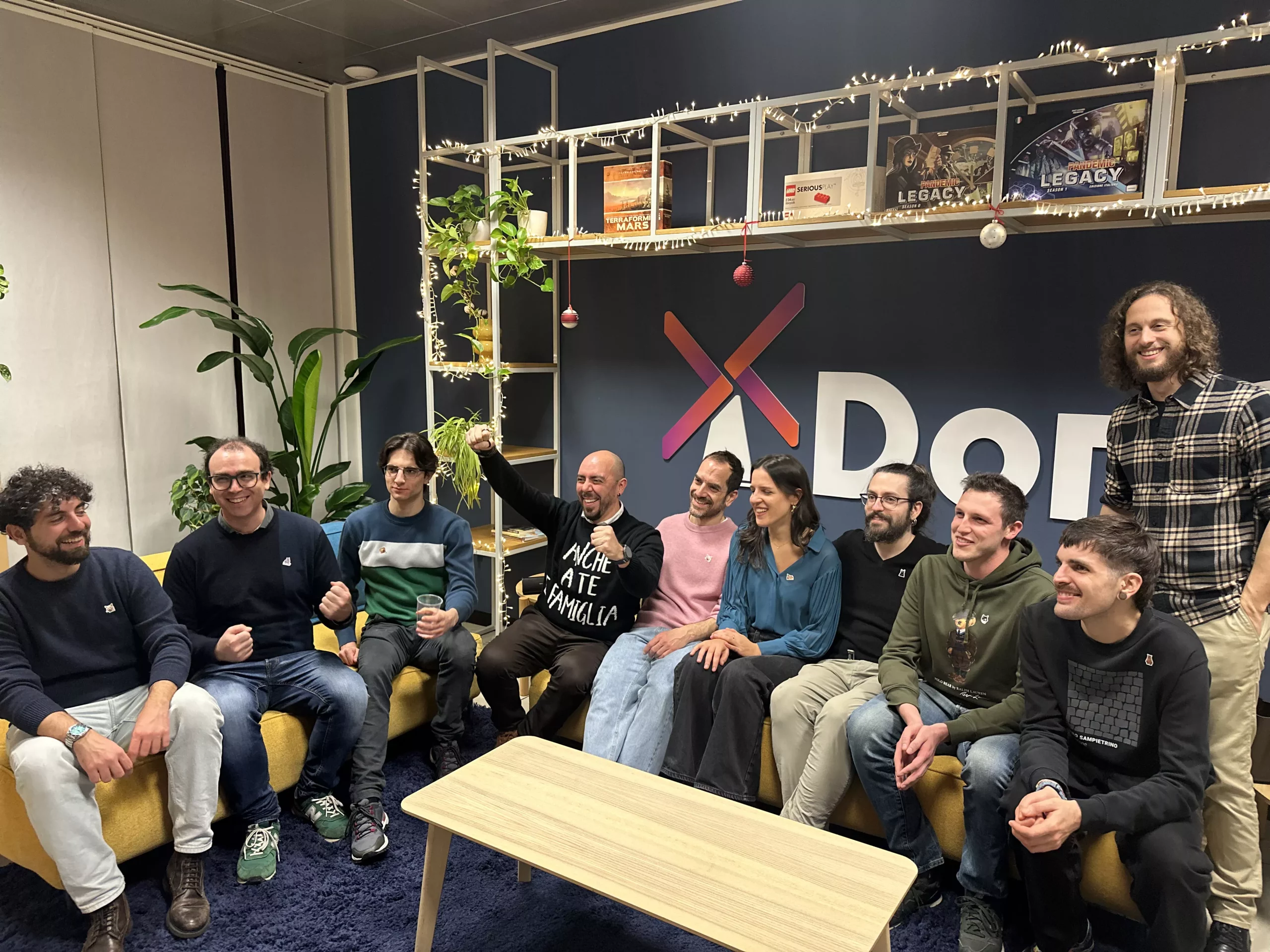
DonQ, an Italian software factory specializing in custom digital solutions — from applications and web platforms to e-commerce, enterprise systems, chatbots, and AI-powered products. Since 2018, the team has been turning innovative ideas into operational digital products, often within projects of high technical and organizational complexity.
We spoke with Annalisa Gennaro, Marketing and Communications Manager, about how the DonQ team uses Productive to manage complexity, gain real-time visibility over projects, resources, and budgets, and make informed decisions while maintaining agility and creativity.
We Help Your Agency Reach New Heights
Switch from multiple tools and spreadsheets to one scalable agency management system.
Tell us a bit about DonQ
We are DonQ, an Italian software factory specializing in designing and building custom digital solutions — from applications and web platforms to e-commerce, enterprise systems, chatbots, and AI-powered products.
Since 2018, our focus has been on rapidly transforming innovative ideas into operational digital products, often within projects with high technical and organizational complexity.
This is possible thanks to our agile approach, multidisciplinary teams, and a strong focus on cutting-edge technologies, especially artificial intelligence and process automation.
We work primarily with B2B companies and SMEs seeking tailor-made solutions, not off-the-shelf software that integrates with existing systems and is designed to evolve over time.
In our work, complexity isn’t the exception. It’s the norm.
Featured project: From Manual Operations to Scalable Growth – DogUp’s Digital Transformation
DogUp is an Italian pet food startup delivering personalized dog diets based on nutritional expertise and veterinary validation. As demand increased, internal operations, from diet calculation to order management, logistics, and invoicing, remained largely manual and spreadsheet-driven.
This approach limited scalability and made it difficult to support rapid growth while maintaining quality.
By partnering with us, DogUp restructured its operational backbone to ensure long-term scalability. Through a structured discovery and design process, we transformed an artisanal workflow into a modular digital platform.
The DogUp 2.0 project automated the nutritional algorithm, centralized operations in a single back office, and integrated logistics, payments, and invoicing to support a subscription-based model.
The result is a more efficient and resilient operating system that reduces friction, supports higher customer volumes, and strengthens DogUp’s position as a scalable, investor-ready digital brand.

How was your business overview before switching to Productive?
Before we adopted Productive, we were already using another tool — but it was too complex to configure and slow to adopt because it had too many features.
What we needed wasn’t more functionality, but something simpler and more immediate: a tool that we could start using quickly and that would serve as a practical guide for daily operations rather than a hurdle.
As our projects and client base grew, we found ourselves managing an increasing volume of parallel initiatives, shared resources, and constantly evolving scopes.
Project management, resource planning, and financial control were spread across multiple tools. While this worked in the short term, it quickly showed its limits:
- Fragmented view of project status
- Resource planning based on estimates that were difficult to update
- Economic data is only available retrospectively
The risk was obvious: we were spending more time managing work than creating value.
What was the final push that made you look for a tool?
We weren’t just looking for new project management software. We needed a system that could:
- Fragmented view of project status
- Resource planning based on estimates that were difficult to update
- Economic data is only available retrospectively
We wanted a platform that could make complexity readable without making processes rigid, and that would help us scale efficiently while maintaining clarity.

Productive stood out for its ability to connect day-to-day execution with a broader view of workloads, resources, and project economics. For us, this meant moving from reactive management to continuous, informed control.
Why did you choose Productive?
Productive stood out for its ability to connect day-to-day execution with a broader view of workloads, resources, and project economics.
For us, this meant moving from reactive management to continuous, informed control.
After adopting Productive, the first and most obvious benefit was real-time clarity. Today, we can:
- Monitor project progress with greater accuracy
- Plan resources more realistically
- Identify bottlenecks and overloads before they become critical
Time previously spent on manual reporting, cross-checking data, and internal alignment has been significantly reduced, freeing us to focus on higher-value activities such as design, research, experimentation, and client collaboration.
In a context where complexity is structural, Productive allows us to manage it, rather than be constrained by it.
What benefits did you see after switching to Productive?
Paolo Leone, CEO
Productive has significantly improved budgeting and profitability, especially through simple timesheets and overhead cost management.
The biggest benefit is having a shared space where all activities are clearly outlined—from high-level initiatives to granular, day-to-day tasks. Productive enables us to work across multiple levels simultaneously, from tactical planning to operational execution, while maintaining visibility and oversight.
It also supports collaboration by letting team members contribute, comment, and stay aligned—which is crucial for long-running initiatives that don’t fit neatly into hourly tasks. Overall, it strengthens transparency, shared understanding, and cross-functional teamwork.
Angela Mocellini, Project Manager
Productive brings order without adding unnecessary complexity. Resource planning is central: having a clear overview of workloads helps us assign the right people to the right projects at the right time, avoiding costly bottlenecks and overloads.
Integrated budget control is a major differentiator—tracked time is automatically reflected in budget consumption, so project profitability is visible in real time.
AI-powered reporting is my favorite feature. Reports that once required manual setup now generate in minutes, enabling immediate support for decision-making. Everything lives in a single ecosystem that truly functions as a single source of truth.
Federico Serafini, CTO
Productive strikes the right balance between flexibility and structure. It’s opinionated enough to avoid “choice paralysis,” but those opinions are logical and grounded.
It enables the operational, managerial, and financial layers of our business to interact seamlessly without interfering with one another. Plus, the intuitive UI and robust API let us build the deep, custom reporting we need.
Annalisa Gennaro, Marketing & Comms Manager
The Kanban board is my most-used feature. Having a clear visual overview of tasks is essential in marketing and communications, and the board structure feels natural and intuitive. It makes it easy to organize work and see progress at a glance.
Without disrupting the way we work, we’ve achieved tangible outcomes:
- Monitor project progress with greater accuracy
- Plan resources more realistically
- Identify bottlenecks and overloads before they become critical
In a context where complexity is structural, Productive allows us to manage it, rather than be constrained by it.
How was the onboarding?
Onboarding was quick and progressive. Productive was integrated into our existing workflows without disrupting daily operations.
The learning curve was accessible even for non-management roles, encouraging broad and consistent adoption. While the recent increase in features and interface changes has raised this curve somewhat, it remains a tool we enjoy using.
What’s your favorite feature?
The combination of resource planning and financial insights — not just static reporting, but as a daily operational guide for priorities, workloads, and strategic decisions.
For us, Productive has become a core part of our operational infrastructure.
Not an extra tool, but the reference point for understanding:
- where time is invested
- how team energy is distributed
- whether our current decisions are economically sustainable
In short, Productive enables us to grow without sacrificing control, clarity, or decision-making confidence.
Achieve Your Agency’s True Potential
Switch from multiple tools and spreadsheets to one scalable agency management system.


