Top 10 PSA Software Tools (2026) + What PSA Actually Is

PSA software runs billable client work end to end. Scoping, staffing, hours and invoicing all come off one set of records. Choosing one is harder than the feature grids suggest. Most professional services automation tools look identical until you run a real month through them.
Here are the top 10 PSA tools, compared on best fit, key features, and pros and cons taken from named reviews. Each section names the buyer it suits and the buyer who should walk away.
You also get a comparison table and a routing table matching your situation to tools. Then a five-step selection process and a migration checklist.
What Is PSA Software?
Professional services automation (PSA) software is one system for running billable client work from scope to invoice. It holds the project lifecycle end to end – the people staffed to it, the hours they log, the budget those hours consume.
The invoice follows from the same records.
- The PSA category exists because service firms sell time rather than a product. Their business processes follow the billable hour. Revenue depends on who is booked, at what rate, against which budget. A task tracker shows the work, not the money.
- Most PSA tools cover the same span across service engagements, often called quote-to-cash. A signed scope becomes a project. The project consumes staffed hours. Those hours become an invoice.
- That is the full delivery lifecycle in one system. A professional services automation system adds reporting across the service delivery lifecycle. Resource utilization, budget burn and margin then read from one set of records rather than three.
- That single record is the point of the whole project lifecycle. Professional services firms lose margin in the gap between the service delivery lifecycle and finance. Someone reconciles two sets of numbers by hand every month.
Who Uses Professional Services Automation Software?
Two different markets buy professional services automation software, and they want different things from it.
The first is professional services firms that bill for expertise: agencies, consulting firms, accounting practices, architecture and engineering studios. Their problem is delivery management at a margin.
They need staffing, budgets, time, and billing in one place, and their PSA sits closest to project accounting.
The second is managed service providers (MSPs) and IT support firms. Their PSA runs beside remote monitoring and management (RMM) software.
- Managed service providers start from a ticket rather than a project.
- Their business processes lean on SLA tracking and recurring contract billing. Most tools serve one market well and the other badly.
This list covers the first market. Accelo is the one entry that also serves MSPs and IT support firms. Managed service providers should start there, if ticketing and recurring contracts are the core work.
PSA Software vs ERP vs Project Management Software
PSA software sits between a project tool and an ERP. What separates them is which part of the business each one protects.
| System | Built to run | Where it stops |
|---|---|---|
| Project management tool | Tasks, timelines, and collaboration | No rate cards, no margin, no invoicing |
| PSA software | Billable delivery from scope to invoice, with revenue recognition | Not a general ledger |
| ERP | Company-wide financial systems, procurement, revenue recognition | Thin on staffing and daily delivery |
| Accounting tool | Ledgers and invoices, cloud-based access | No project data or resource scheduling |
| CRM | The sale, up to the signed deal | Stops when delivery starts |
Most teams arrive at PSA from a project management tool. It runs the work but not the economics. You can see a task is late. You cannot see that the project is over budget with three weeks left.
PSA project management differs in one respect: every task carries a cost and a rate. Project management software for professional services automation has to price the work, not only schedule it.
ERP runs company-wide financial systems across every department, including revenue recognition. PSA runs the stretch where hours become revenue. Larger firms run both, feeding PSA actuals into the ERP financial systems. Smaller firms find the ERP heavier than the problem they have.
CRM matters because the sale sets the budget. Native CRM integration carries the agreed scope into delivery. The project then starts from the number that was sold, not a retyped copy.
What Is the Best PSA Software in 2026?
The best PSA software in 2026 is Productive, Kantata, NetSuite SuiteProjects Pro, Certinia and Deltek Vantagepoint. The list continues with Deltek Replicon, BigTime, Birdview PSA, Accelo and alternatives to BQE CORE.
No single option fits every team.
Each tool fits a different delivery model. Some are finance-first enterprise setups. Others exist for teams needing tight control over staffing, time capture and the utilization rate behind both.
A Short List of the Best PSA Tools
A Comparison Table of the Best PSA Platforms
| Tool | Best for | Skip if | Project type | Client portal | Reporting depth | Free Trial |
|---|---|---|---|---|---|---|
| Productive | All-in-one operations across projects, staffing, and finances | You only need a simple point solution | Client projects and retainers | Client portal | Deep | No |
| Kantata | Advanced capacity planning and forecasting | You need to be running this quarter | Milestone-based delivery | Not documented | Deep | Demo only |
| NetSuite SuiteProjects Pro | Enterprise finance alignment and project controls | You do not run NetSuite | Enterprise service delivery | Not documented | Deep | Yes |
| Certinia | Salesforce-based delivery and revenue tracking | You do not run Salesforce | Sold-then-delivered client work | Via Salesforce | Deep | Demo only |
| Deltek Vantagepoint | Compliance-heavy and multi-entity organizations | You have no compliance obligation | AEC and government-funded work | Not documented | Deep | Demo only |
| Deltek Replicon | Accurate time tracking and utilization visibility | Your problem is planning, not capturing hours | Billable hours across many clients | Not documented | Moderate | Yes |
| BigTime | Billing workflows tied to hours and expenses | You are heading past 50 billable staff | Time-and-materials client work | Payments only | Moderate | Demo only |
| Birdview PSA | Visual resource planning and workload balancing | Your numbers go to a board or a client | Multi-project delivery teams | Free guest access | Moderate | Yes |
| Accelo | Connecting client work, delivery, and billing | You have no retainers or recurring work | Retainers and recurring service work | Client portal | Moderate | Yes |
| BQE CORE | Accounting-led project and profitability tracking | Your PMs, not finance, live in the tool daily | Phase-based professional work | Not documented | Deep | Yes |
How We Chose This PSA Software?
We started from the professional services automation platforms appearing repeatedly on buyer shortlists. Then we cut any that could not run staffing, time, budgets and billing off the same records. A PSA software comparison that mixes billing tools with delivery platforms helps nobody.
Pros and cons come from named reviews on G2 and Capterra, read individually rather than lifted from aggregate scores. Review counts and dates are current as of September 2026.
1. Productive – Best for All-in-One Operations for Professional Services
Productive’s PSA platform runs projects, budgets, staffing, time and billing on one data model. This PSA software fits professional services firms from twenty people to several hundred seats. The trigger is usually a project tool, a spreadsheet and an accounting export that no longer agree.
Try Productive’s PSA solution
Stop Reconciling Three Versions of the Same Month
Most teams arrive here because resourcing, time and finance each live somewhere different. Reporting turns into a monthly assembly job, and nobody fully trusts the number at the end of it.
In Productive’s project management, an hour logged against a task updates budget burn, profitability and billing. Nobody enters it twice. There is no reconciliation step because there is nothing to reconcile.
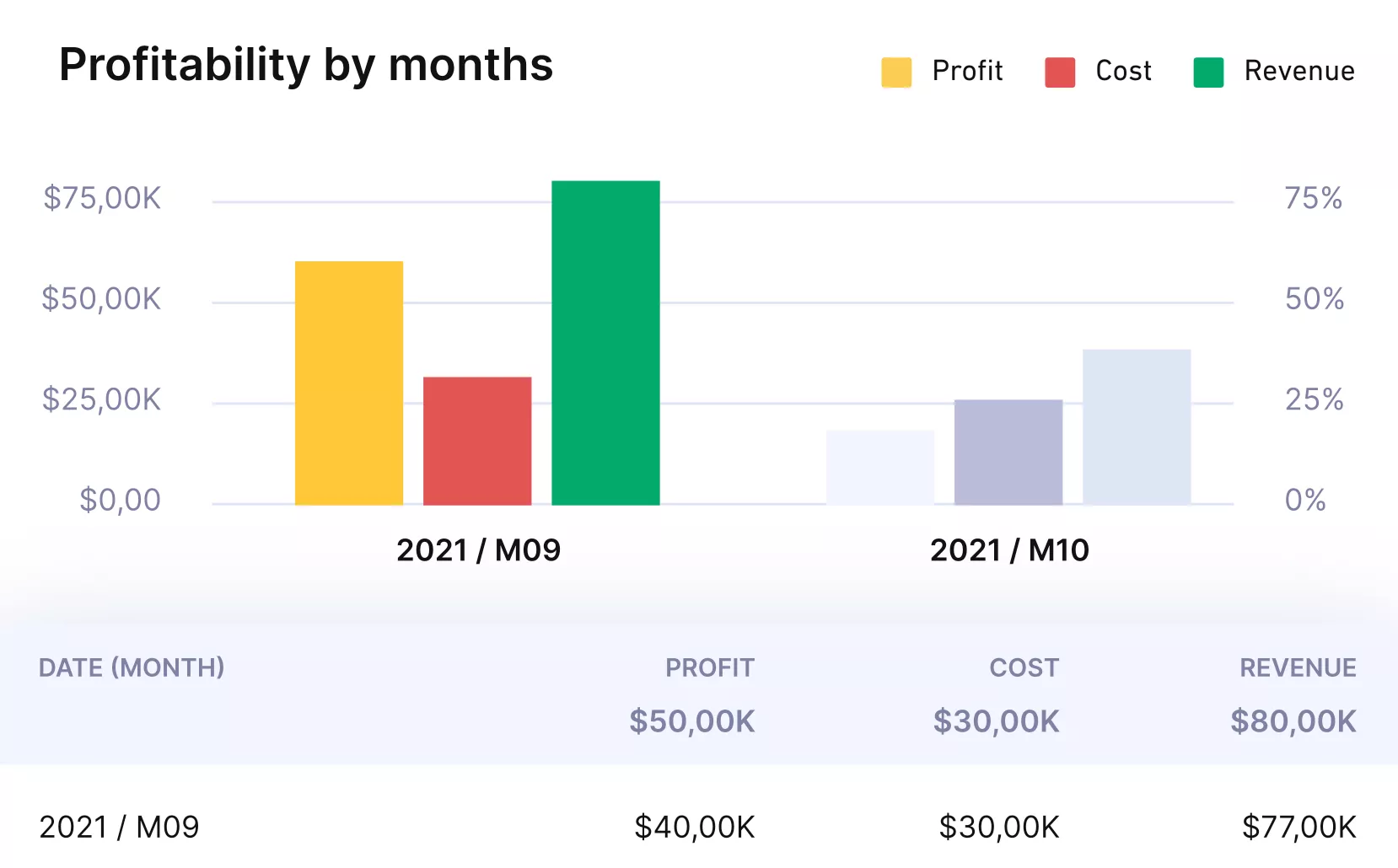
productive connects delivery, resources and finance in a single source of truth.
See Margin Slipping While You Can Still Act on It
Most firms find out a project lost money after it closed. By then the over-servicing is done and the hard costs are already spent.
Productive’s budgeting and margin tracking shows planned against actual revenue and cost as the work happens. Budgets can be structured by service and burn tracked at task level. Third-party costs attach to the project, so they sit inside the margin picture rather than beside it.
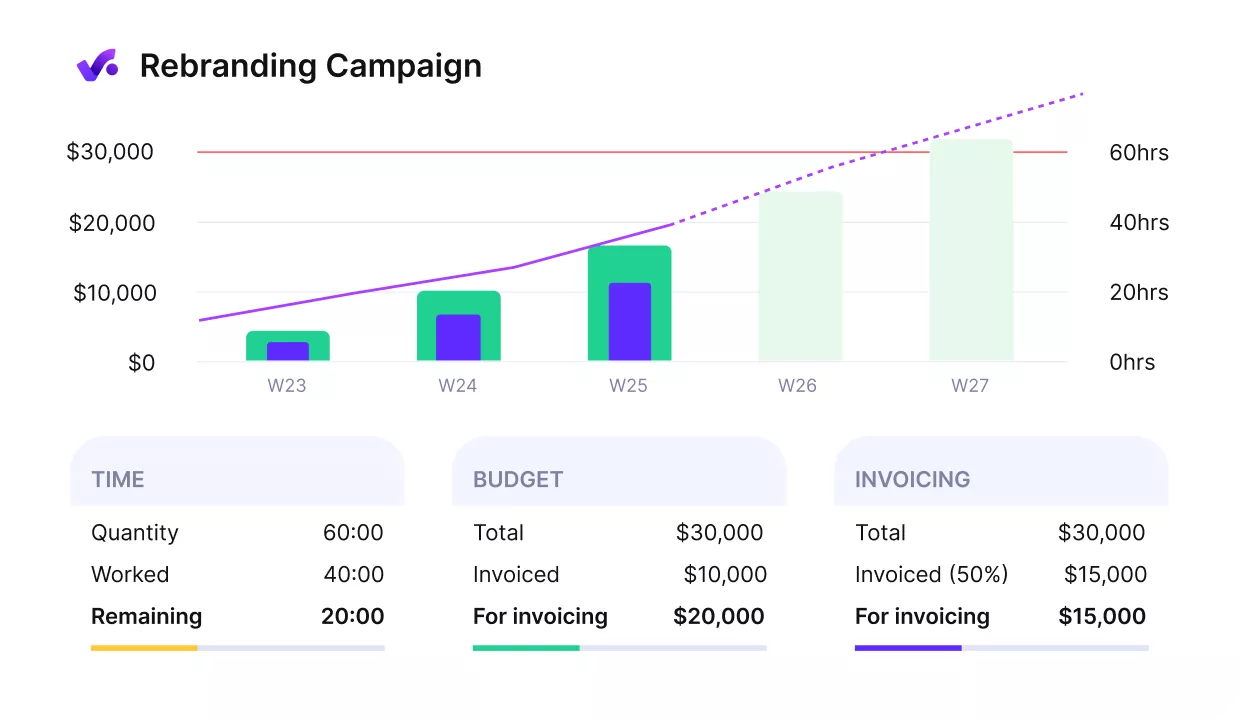
Get early warnings of budget overruns.
Staff Next Quarter Without Overbooking or Idle Hours
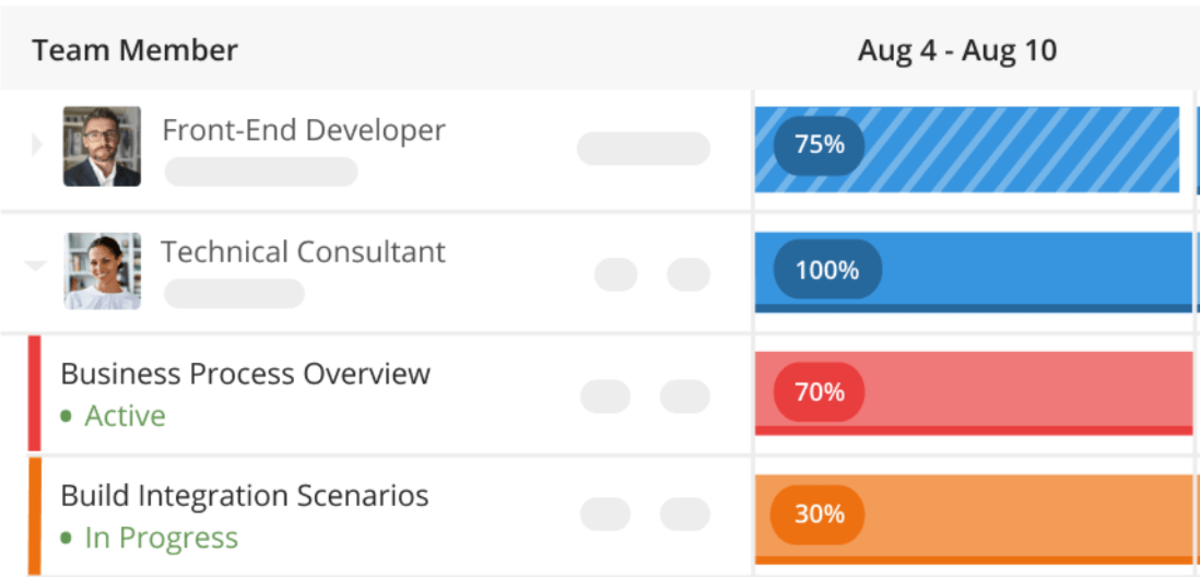
Productive’s resource planning shows who is booked, at what percentage, on which projects and for how long. Resource scheduling and resource capacity planning sit in one view. Soft bookings let you plan around pipeline work before a deal is signed.
Utilization reporting gives operations and finance one view of billable against non-billable time.
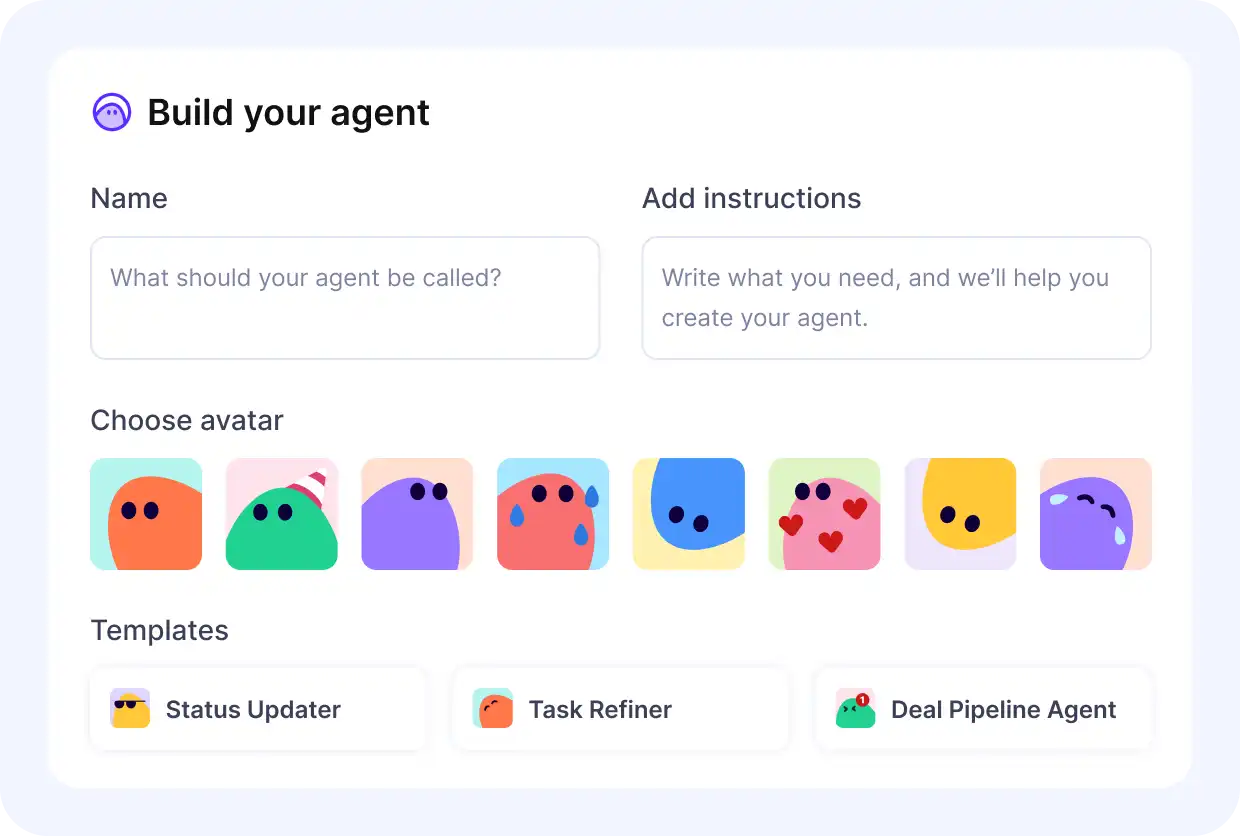
Build AI agents
Productive’s AI agents can take the recurring pieces off people entirely. You describe a job in plain language. The agent runs it on a schedule or a trigger, from resource allocation to reporting.

Manage your team’s workloads from a single view.
Pricing
- Plans start with the Essential plan at $10 per user per month, which includes essential features such as budgeting, project & task management, docs, time tracking, expense management, reporting, and time off management.
- The Professional plan includes custom fields, recurring budgets, advanced reports, billable time approvals, and much more for $25 per user per month.
- The Ultimate plan has everything that the Essential plan and Professional plan offer, along with the HubSpot integration, advanced forecasting, advanced custom fields, overhead calculations, and more. Book a demo or reach out to our team for the monthly price per user.
One System for Projects, People and Profitne System
Replace the project tool, the spreadsheet and the accounting export with records that already agree with each other.

2. Kantata – Best for Advanced Capacity Planning and Forecasting
Kantata answers one question well: who can take on work next month without wrecking the margin. It suits services organizations large enough that resource management decisions carry real financial consequence.
Key Features
- Resource capacity forecasting and resource management by skill
- Milestone-based project planning and collaboration
- Time and expense capture against project budgets
- Portfolio utilization and margin reporting
SOurce: kantata
Pros
- Portfolio utilization and project status on one dashboard. Reviewers single out the real-time view as the reason forecasting works.
- Forecasting depth that holds at portfolio scale. Buyers most often cite resource capacity planning as what won the evaluation.
- Consistent results across different companies. Reviewers report using it effectively at more than one employer, not in a single lucky rollout.
- Named support during implementation. Buyers mention assigned software experts working alongside them through setup.
Cons
- Configuration overhead does not end at go-live. The implementation timeline is long and the depth that makes forecasting accurate still needs maintaining.
- Onboarding runs long enough to feel like its own project. New team members face a steep ramp before they are productive.
- Anything outside the standard reports takes manual work. Custom views often end up assembled by hand.
- Large portfolios slow it down. Reviewers tracking resource utilization across big datasets report performance dropping off.
Who Should Skip Kantata?
Skip Kantata if you need to be running this quarter. The configuration that makes its forecasting accurate is the same work that keeps you in implementation.
3. NetSuite SuiteProjects Pro – Best for Enterprise Project Accounting and Finance Alignment
SuiteProjects Pro exists to keep project delivery and NetSuite financials reading the same numbers. That alignment is the whole case for it. It is a strong one if NetSuite already runs your finance stack.
Renamed from NetSuite OpenAir in 2025, it is the same product relabelled. If the tradeoff feels heavy, our guide to other NetSuite OpenAir replacements is a useful next step.
Key Features
- Project cost control, billing and revenue recognition
- Hours and expense capture tied to project delivery
- Resource planning and utilization reporting
- Budgeting, cost tracking, and financial reporting
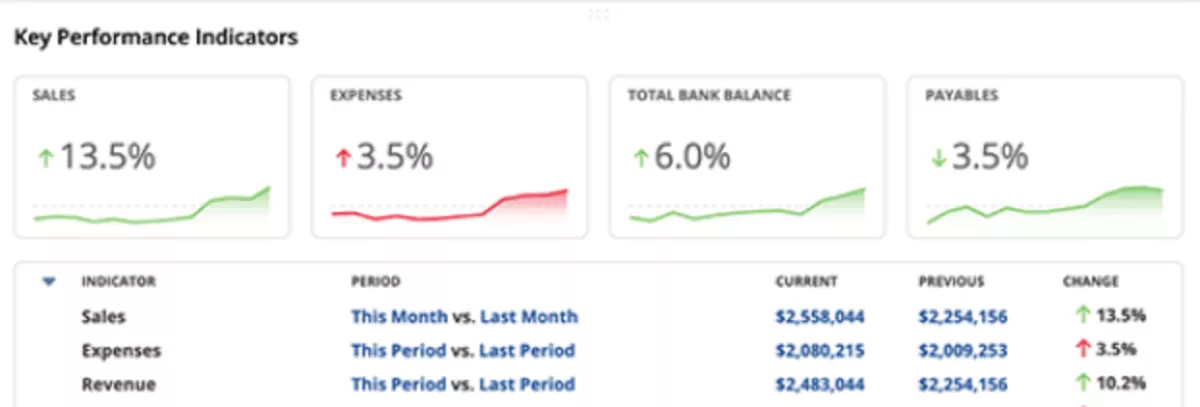
SOurce: NetSuite OpenAir
Pros
- Time and expense tracking is the strongest part of the product. Reviewers rate it well for billable hours and time-and-materials billing.
- Governance built for larger environments. Resource management and approvals hold up at enterprise headcount.
- Project actuals reach financial systems without a middle layer. Finance and delivery stop reconciling two versions of the same month.
- Breadth across time, expense, billing and revenue. One system covers a span most firms split across three.
Cons
- The interface is dense and slow to cross. Reviewers describe small input boxes, too many buttons, and a cluttered layout.
- System lag is a recurring complaint in 2026 reviews. One reviewer describes constant lag slowing daily work.
- Implementation quality varies sharply. A 2026 reviewer reports a failed rollout with almost no training afterwards.
- It resists processes that change. Long-term NetSuite OpenAir customers describe pushing the system to its limits as the business evolved.
Who Should Skip NetSuite SuiteProjects Pro?
Skip SuiteProjects Pro if you do not run NetSuite. Without the ERP underneath, you carry the interface and the implementation risk with nothing paying for them.
4. Certinia – Best for Salesforce-Based Delivery and Revenue Tracking
Certinia runs professional services automation natively inside Salesforce. If your pipeline, contracts and delivery already live there, that is a structural advantage rather than an integration claim.
Key Features
- Salesforce-native professional services automation workflows
- Project staffing across the project lifecycle
- Timesheets and expenses logged against delivery
- Revenue recognition, billing and project financial visibility
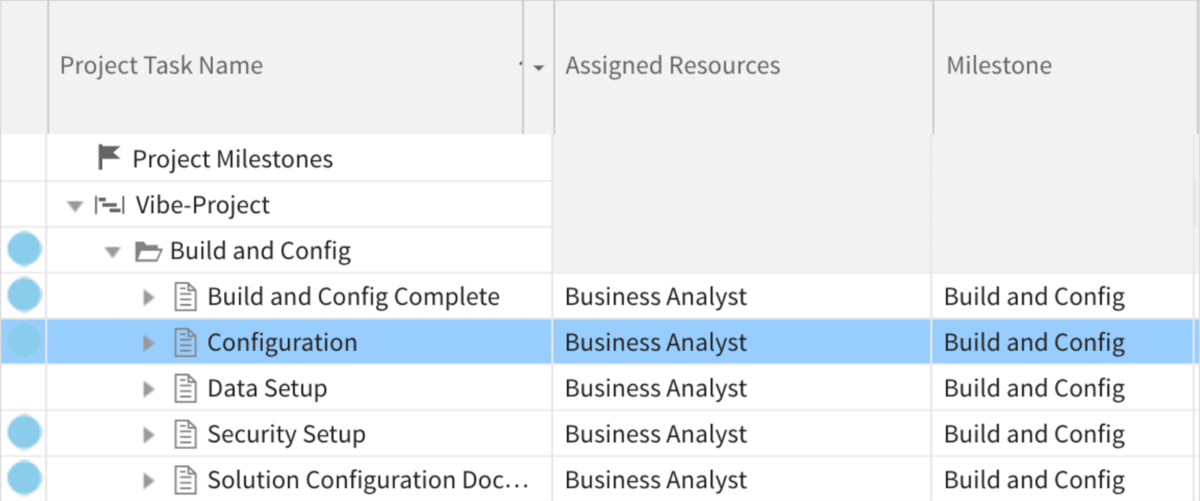
SOurce: certinia
Pros
- Salesforce integration is the most-cited strength, named in 11 reviews. It removes the silo between project records and financial records.
- Case management carries work through to the invoice, cited in 10 reviews. Tracking stays in one place from request to billing.
- Real-time visibility without leaving the CRM system. Pipeline management, delivery status and resource allocation read from one record.
- The scope that was sold is the scope delivery starts from. CRM functions and project financial management share one record, so nobody retypes the budget.
Cons
- Salesforce licences sit on top of the price. Reviewers note that required seats raise total cost sharply.
- The learning curve is steep, raised in nine reviews. People unfamiliar with Salesforce find the interface overwhelming.
- Resource visibility frustrates managers. Reviewers report struggling to see who is available, overbooked or underused.
- The utilization engine is hard to audit. One reviewer could not trace its numbers back to the timecards beneath them.
Who Should Skip Certinia?
Skip Certinia if Salesforce is not already your system of record. The licence cost and the administration skill it assumes only pay back when the CRM is doing real work.
5. Deltek Vantagepoint – Best for Compliance-Heavy and Multi-Entity Organizations
Vantagepoint is built for architecture, engineering and consulting firms where financial reporting carries regulatory weight. It takes an accounting-first view of the business, and multi-entity financial management is where it earns its keep.
Deltek also owns Replicon, reviewed next. Vantagepoint runs project accounting for the whole firm, while Replicon captures the hours that feed it.
Key Features
- Firm-wide multi-entity financial management and oversight
- Hours and cost tracking tied to project work
- Budgeting, forecasting and multi-entity financial management
- Customizable hubs, fields, and workflow configuration

SOurce: Deltek Vantagepoint
Pros
- Industry fit for AEC firms is genuine. A March 2026 reviewer describes it as built for the sector rather than adapted to it.
- The multi-entity financial management data is deep. Reviewers rate the range of what Vantagepoint tracks among its strongest features.
- Customization reaches hubs, fields and approval flows. Firms shape templates and permissions around their own financial systems.
- Daily time and expense entry is quick. Reviewers describe the admin path as simple enough to stay out of the way.
Cons
- One answer often takes several reports. Reviewers describe opening three or four and combining them in a spreadsheet.
- Reports expire while you are still reading them. A March 2026 reviewer regenerates the whole report after switching pages.
- Report formatting is hard to control. Customizing layout frequently needs an administrator or an outside consultant.
- Non-accounting staff struggle with it. Reviewers describe a system built for accountants rather than the average manager.
Who Should Skip Deltek Vantagepoint?
Skip Vantagepoint if no regulator dictates how you report. Without a compliance obligation, the accounting-first design costs your project managers time and returns nothing for it.
6. Deltek Replicon – Best for Accurate Time Tracking and Utilization Visibility
Replicon captures hours with more rigour than most PSA tools bother with. Deltek acquired it in August 2023. It still behaves like a time system first and a delivery platform second. If that sounds familiar, our list of tools teams pick instead of Replicon shows where they look next.
Key Features
- Automated time capture and timesheets
- Approval workflows and timesheet compliance
- Project time and cost management for billable and non-billable work
- Analytics for labor costs, resource utilization and profitability
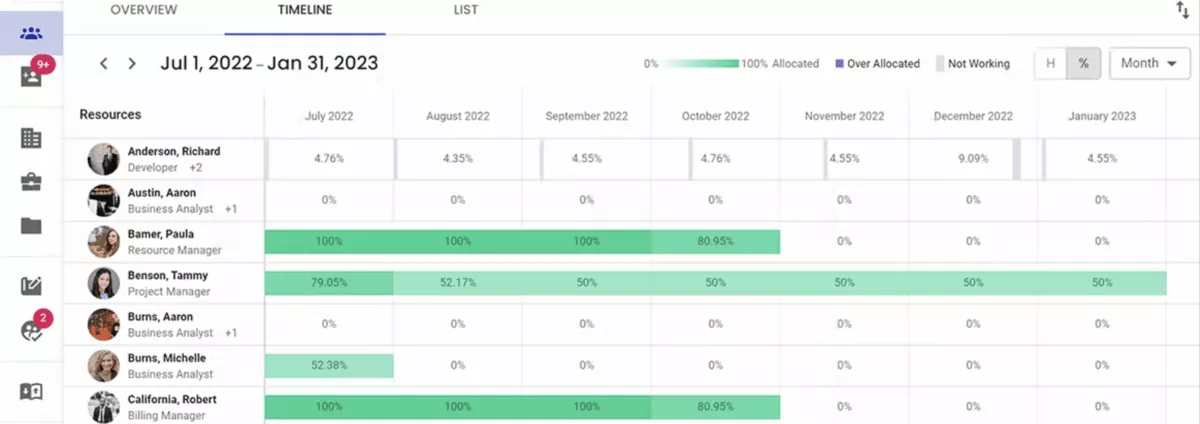
SOurce: replicon
Pros
- Time entry people actually complete. Ease of use scores 8.7 across 667 responses, the best timesheet compliance signal here.
- Setup and administration stay light. Ease of setup scores 8.3 and ease of admin 8.6 on the same review set.
- Support reviewers keep coming back to. Quality of support scores 8.8, with reviewers describing near-instant help during configuration.
- A timesheet layout that holds up over years. A May 2026 reviewer calls it the best they have used.
Cons
- Integrations are the most-cited limit. 88% of reviewers who mention integrations describe them as restricted.
- Report configuration needs technical help. 64% of those who mention report customization call it complex.
- The mobile app lags the desktop. Around 55% report it as slow or glitchy.
- Pages load slowly at peak times. A February 2026 reviewer describes the system as sluggish during busy hours.
Who Should Skip Deltek Replicon?
Skip Replicon if your problem is planning ahead rather than capturing hours. It will tell you precisely where the time went, and very little about where it should go next.
7. BigTime – Best for Billing Workflows Tied to Time and Expenses
BigTime is the easiest tool on this list to get people entering time into. That matters more than it sounds, because unlogged hours are the cheapest margin any firm gives away.
Key Features
- Billable hours and expenses captured against client work
- Billing models and billing automation for professional services
- Budget tracking and profitability reporting
- Project planning and team allocation
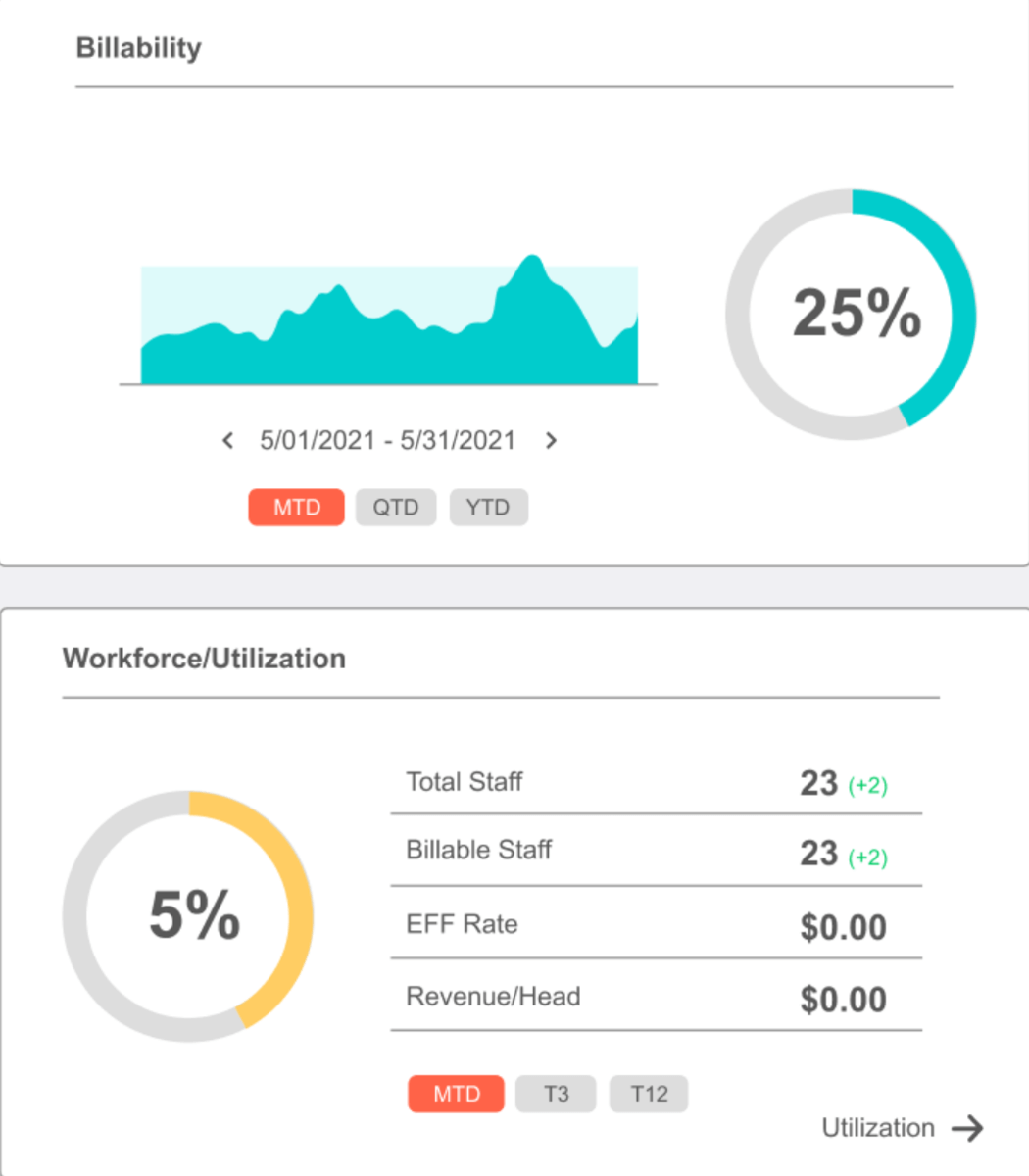
SOurce: bigtime
Pros
- Time entry that people finish without chasing. Reviewers credit automatic carryover of project, phase and activity IDs for cutting repeat keystrokes.
- Support rated 9.2 on G2, the highest here. Reviewers credit that responsiveness with getting them through rollout.
- New staff are entering time within days. The setup wizard covers the basics before anyone needs training.
- A clean layout that keeps staff out of training. Reviewers describe the interface as the least confusing part of switching.
Cons
- Corrections after submission create back-and-forth. Editing approved time pulls a manager back into a week that was already closed.
- Reporting bends less than the billing does. Getting a non-standard view often means exporting and finishing the job elsewhere.
- Cost climbs past the entry tier quickly. Billing models firms assume are included sit behind higher plans.
- Anything past the basics is found by testing. Reviewers describe reaching non-default configurations without documentation to follow.
Who Should Skip BigTime?
Skip BigTime if you are heading past 50 billable staff. The billing strength holds. The planning underneath it starts asking you to work around it.
8. Birdview PSA – Best for Visual Resource Planning and Workload Balancing
Birdview is the lightest PSA software here to set up, putting projects, workload and time in one view. Clients can be invited in at no extra licence cost, which few tools on this list allow.
Key Features
- Resource scheduling, workload visibility and resource allocation
- Time tracking and timesheets
- Project budgeting and financial dashboards
- Gantt charts, board and calendar project tracking views
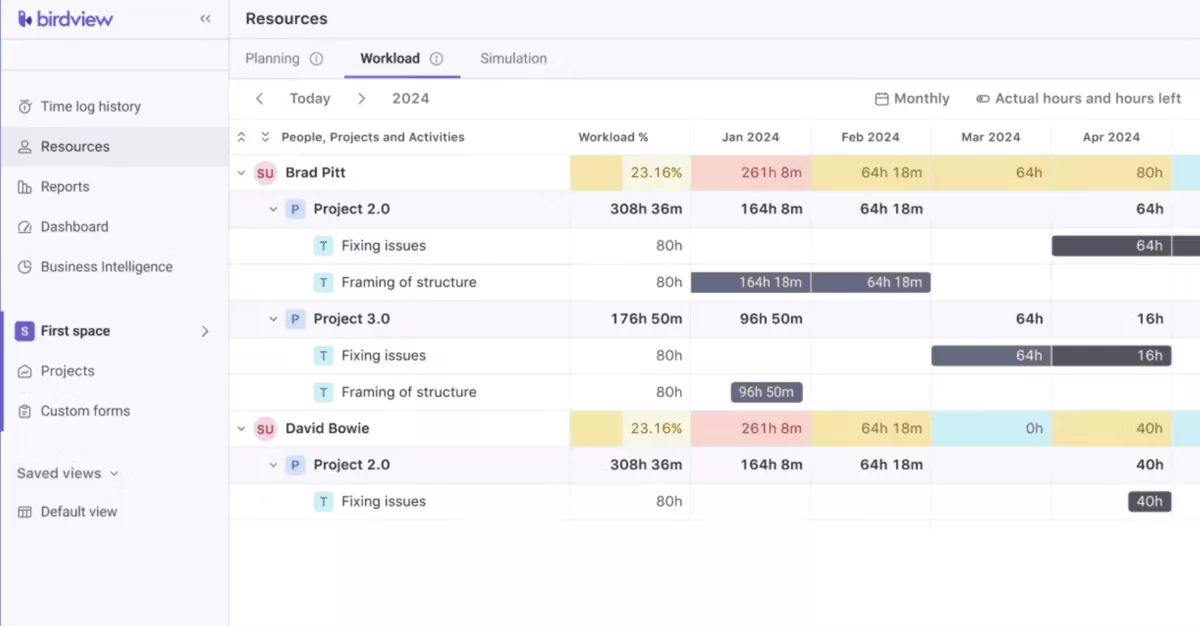
SOurce: birdview psa
Pros
- Planning, resourcing and time tracking sit in one platform. It ends the habit of switching between tools all day.
- A Client Portal with free guest access. Guest licences carry no extra cost, so project visibility does not come with a seat bill.
- Company performance reads at a glance. Reviewers check the headline numbers without building anything first.
- Flexible project tracking across projects and sub-projects. Time can be split the way the work is actually structured.
Cons
- Permissions around Spaces create support tickets. Admins describe access questions that need help to resolve.
- Logging time across several days is clumsier than it should be. The entry path assumes one day at a time.
- Search gets cluttered once project counts grow. Finding a specific task takes longer than finding the project holding it.
- Anything past the headline numbers needs another tool. Deeper analysis moves to a separate layer.
Who Should Skip Birdview PSA?
Skip Birdview if your numbers go to a board or a client every month. The reporting will hold for internal check-ins and then stop exactly where the scrutiny starts.
9. Accelo – Best for Connecting Client Work, Delivery, and Billing
Accelo is built around the client record rather than the project record. Sales, tickets, projects, retainers and invoices hang off the same account. That is what keeps the client experience consistent.
Retainer-heavy firms tend to land here for that reason. Our guide to alternatives teams consider instead of Accelo covers the other options.
Key Features
- Client, pipeline management and project workflows in one system
- Time tracking tied to tasks, projects, and client work
- Billing and invoicing connected to delivery activity
- Client portal with quote acceptance and client onboarding forms
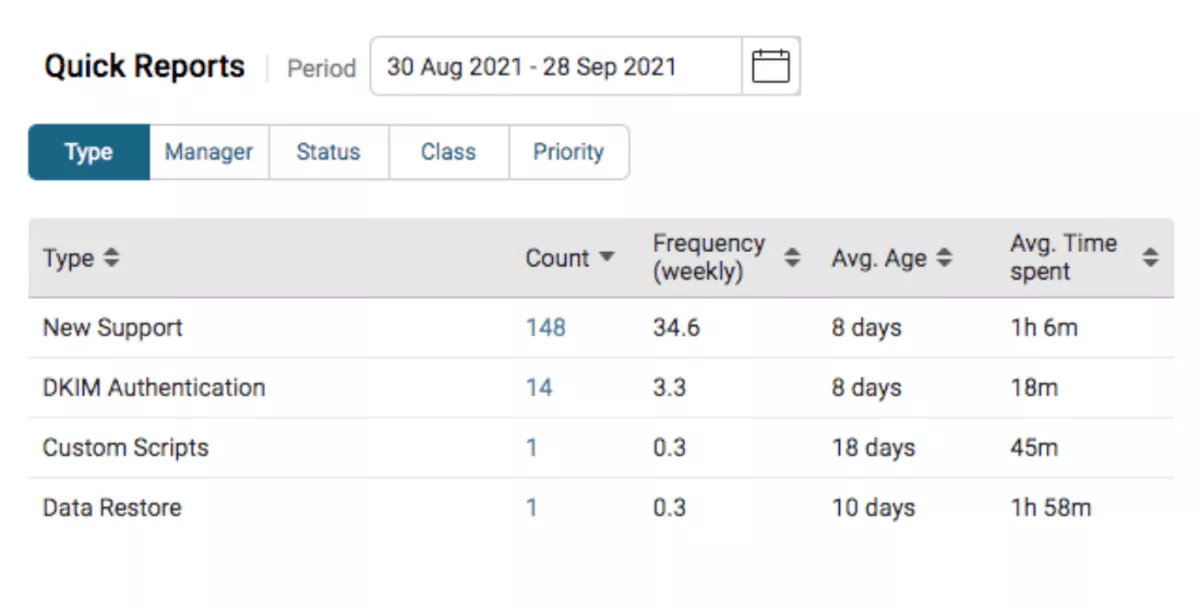
SOurce: accelo
Pros
- CRM, help desk, projects and billing on one client record. Reviewers name the consolidation as the reason they scaled on it.
- A client-facing portal clients will actually open. Quotes, client interactions, project status and invoice history live in one place.
- Workflow automation removes recurring admin. Reviewers report repetitive client communication handling itself once configured.
- Accounting connections that hold. The Xero integration comes up repeatedly as dependable.
Cons
- Automations are hard to test safely. Triggers fire against live client records, so mistakes reach clients before you catch them.
- G2 rates it 8.1 for ease of use, the lowest here. Reviewers find it less immediately obvious than simpler tools.
- Configuration takes real calendar time. Reviewers describe setup measured in weeks rather than days.
- Mobile and some email workflows lag the web product. Field use is workable rather than comfortable.
Who Should Skip Accelo?
Skip Accelo if you have no retainers, tickets or recurring service work. Everything it does better than the alternatives assumes an ongoing client relationship rather than a sequence of one-off projects.
10. BQE CORE – Best for Accounting-Driven Project and Profitability Tracking
BQE CORE treats the project as an accounting object first. For small architecture, engineering and accounting firms, that is usually the right instinct rather than a limitation.
Key Features
- Project accounting, billing, and invoicing
- Hours and costs logged against each project phase
- Budgeting, dashboards and project tracking reports
- Expense capture with digital receipts and smart categorization
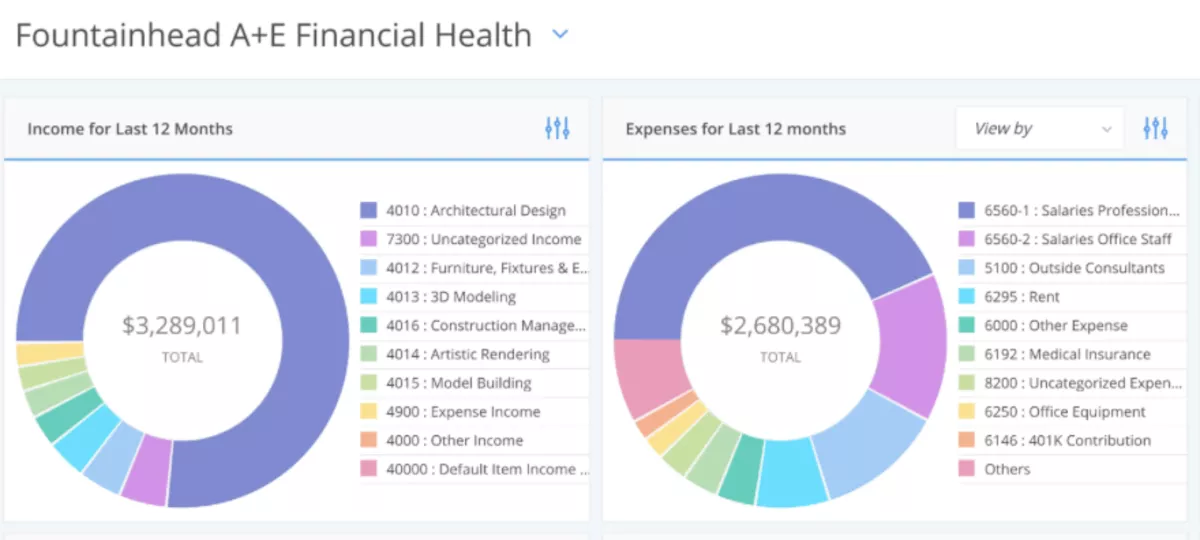
SOurce: bigtime
Pros
- Phase-based tracking that matches how the work is billed. Time attaches to the phase, so financial management reads per stage rather than per project.
- Support rated 9.0 on G2 across 294 responses. Reviewers describe staff availability at unusual hours as a real differentiator.
- Implementation you can scope down. Small firms select only the modules they need rather than taking the whole suite.
- Expense handling with receipts and auto-categorization. Reviewers single it out when asked what the product does well.
Cons
- Pages take minutes to load at times. Reviewers describe waiting through several minutes on slower screens.
- Setup rates 7.3, the weakest mark in its profile. Getting configured takes more hand-holding than the marketing suggests.
- Administration rates 7.8, under its own ease-of-use score. Day-to-day admin is harder than daily use.
- Small glitches surface during routine work. Reviewers report intermittent oddities rather than outright failures.
Who Should Skip BQE CORE?
Skip BQE CORE if your project managers, not your finance team, live in the tool every day. The accounting spine that sharpens margin reporting is the same spine that slows delivery staff down.
Which PSA Software Is Right for You?
The right PSA software depends on which problem costs you money right now. Feature counts do not decide it.
| Your situation | Start with | Also consider |
|---|---|---|
| Delivery, budgets, staffing, and billing are spread across four tools | Productive | Accelo |
| You cannot say who has room for work next quarter | Kantata, Productive | Productive |
| NetSuite already runs your finance stack | NetSuite SuiteProjects Pro | Certinia |
| Salesforce is where work gets sold and handed to delivery | Certinia | NetSuite SuiteProjects Pro |
| Government or AEC rules dictate how you report | Deltek Vantagepoint | BQE CORE |
| Hours go missing and billing leaks because of it | Deltek Replicon, Productive | BigTime |
| Invoicing is the bottleneck, not planning | BigTime | BQE CORE |
| Clients ask for status more often than you can answer | Birdview PSA | Accelo |
| Retainers and recurring service work carry the revenue | Accelo | Productive |
| Margin per phase is the number your partners ask about | BQE CORE, Productive | Deltek Vantagepoint |
How to Choose the Best PSA Tool for Your Business?
Choose the best PSA tool by starting from the workflows that already break. That usually means capacity planning, time capture, billing, approvals or reporting. Turn those into five to seven buying requirements and score every candidate against them.
Check the reporting before the contract, not after. Bring delivery, finance and operations into the decision while it is still open.
A process that eliminates bad fits early costs less than one that decides late. It helps to know what good delivery operations look like before you score anything.
Our guide to professional services project management covers that ground.
Step 1: Map the Workflows That Break Most Often
Start with the workflows that are already costing the team time or money. That usually means capacity planning, time capture, billing, approvals, or reporting. Write down where it starts, who touches it, which tool they use, and where it stalls.
Then turn that into five to seven buying requirements. A useful list reads like this:
- Assign work by role or by named person
- Approve time before it reaches an invoice
- Track budget burn and project data by project, live
- Show billed against unbilled work
- Report on utilization without exporting to a spreadsheet
If a requirement does not trace back to a workflow you wrote down, cut it. Requirements that arrive from a vendor demo are the vendor’s, not yours.
Step 2: Build a Shortlist Around Your Real Use Case
Collect a long-list from category pages, review sites, and vendor pages. Then cut it with hard filters.
Remove any PSA software missing a non-negotiable. Remove any tool that depends on an ecosystem you do not run. Remove any tool built for an operation far larger or smaller than yours. Most PSA tools survive that filter on paper and fail it on the third question.
A simple way to do this is to score each tool from one to five across six areas:
- Workflow fit: does the tool match how your team runs projects, or force work into a demo-friendly structure?
- Capacity visibility: can you see workload and staffing gaps before they become missed deadlines or budget overruns?
- Financial control: can you track budgets, billable work, approvals, invoicing, and margins without rebuilding the numbers in spreadsheets? If billing is the pain driving the search, our guide to professional services billing workflows covers that ground.
- Reporting quality: does the system answer questions about utilization, project health, budget burn, and unbilled work quickly?
- Implementation effort: what implementation timeline are you being quoted for configuration, training and upkeep? Setup cost is part of the decision.
- Admin load: do common actions still need workarounds, exports, or too many clicks?
PSA software scoring low on the area you care most about leaves the shortlist. Popularity is not a tiebreak.
Step 3: Take Control of the Demo
You will get a prepared demo on the vendor’s own tidy data. Rebuilding your projects in a trial rarely happens. The job is bringing questions that pull the demo off script.
Send five ahead of the call and watch each performed live:
- Book a person to a project at 60% for six weeks
- Log time against it and show the budget move
- Approve an expense and show where it lands
- Raise one client-facing invoice from that time
- Show utilization for the person you just booked
Watch the workflow automation, not the feature tour. A workaround or an export on any of the five is a buying signal.
Step 4: Check What You Can Get Out of It
Before the shortlist narrows, find out whether each PSA software surfaces five things without an export:
- Who is over capacity this month
- Which projects are running over budget
- What is delivered but not yet billed
- Where margin is slipping against plan
- What is sitting unapproved
PSA software that cannot surface those five cleanly has reporting you will work around. Operational dashboards that convince in a demo often need a business intelligence layer to answer a real question.
This is also where review patterns matter. A tool can show strong dashboards in a demo and still create reporting pain in daily use. When three or more reviewers raise the same reporting complaint, treat it as product feedback. Not edge-case noise.
Step 5: Involve the Teams That Will Actually Use It
Migrate to new PSA software by archiving dead projects and fixing broken client records before anything moves across. Decide what has to be live on day one. That usually means active projects, open budgets, time tracking and billing.
Then run a single pilot project through the new system before the rest of the business follows. A safer migration keeps the team on continuity. It does not copy old problems into new PSA software.
A simple rollout plan is easier to manage and to recover.
How to Migrate to a PSA Platform? (+ Checklist)
You should migrate to a PSA platform by cleaning up your data first, deciding which workflows matter on day one, and rolling the new system out in phases instead of trying to replace everything at once.
A safer migration keeps the team focused on continuity, not on copying old problems into new PSA platform.
A simple rollout plan makes the switch easier to manage and easier to recover if something breaks.
Bonus PSA Migration Checklist
- Define what must be live on day one: active projects, open budgets, time tracking, billing, and key reports.
- Clean up your project data before migration. Archive dead projects, fix broken client records, remove duplicates.
- Map your workflows to the new PSA software. Do not just import data. Decide how projects, approvals, invoices and reporting should work.
- Name a migration owner and rollout team covering finance, delivery and admin.
- Migrate one live pilot project first. Test time entry, staffing, billing and approvals under real conditions.
- Document what the pilot surfaces, then fix it before rolling out further.
- Train each team on the workflows they use.
- Set a cutover date for the old system. Say what stops, what moves, where truth now lives.
- Track the first two to four weeks closely. Watch for missing time, invoice delays, broken permissions, and reporting gaps.
- Review after rollout and clean up what the pilot missed.
PSA Software FAQ
How Long Does a PSA Implementation Take?
Expect an implementation timeline of six to twelve weeks for a mid-sized firm. Longer, where project financials must match an existing ledger. That implementation timeline depends less on the PSA than on how clean your project data is. Firms that archive dead projects first finish nearest the low end.
Does a PSA Replace Your CRM?
No. PSA software picks up where the CRM system stops, at the signed statement of work. Pipeline management, deal stages and contact history stay in the CRM. Tools with native integration carry the sold scope into the project. Native CRM integration means delivery starts from the number that was agreed.
What Billing Models Can a PSA Handle?
Most PSA software covers the usual billing models. Time and materials, fixed fee, milestone and retainer, with automated billing on recurring work. The differences show up in mixed arrangements. One client sits on a retainer with project work billed alongside it. That is where cash flow forecasting and revenue recognition either hold or fall apart. Weak cash flow visibility shows up here first.
Can Clients See Their Own Projects?
Only in some PSA software. A client portal for project and budget visibility is rarer than vendors imply. A client-facing portal is not standard. Three of the ten here document one. Where a client-facing portal exists, clients check progress, approve deliverables and view invoices. That removes the status email from client communication and improves the client experience.
What Should PSA Software Report On?
Five things at minimum. Portfolio utilization, project visibility against plan, budget burn, unbilled work, revenue forecasts and revenue recognition. Anything beyond that is useful rather than essential. If advanced analytics needs a separate tool to answer those five, the reporting is not doing its job.
Closing Thoughts – What’s the Best Choice for Your Team?
The best PSA software for most professional services firms is one system rather than four wired together. A stitched setup looks cheaper on the invoice and costs more everywhere else. Time gets entered twice. Budgets disagree with invoices. The monthly close waits on somebody exporting a spreadsheet.
An all-in-one PSA holds staffing, time, budgets and billing against the same records. The numbers match without anyone maintaining them twice. That is the case for Productive, and it is why it leads this list.
If that is the direction you are leaning, book a short demo and bring your migration questions with you.
Connect With Agency Peers
Access agency-related Slack channels, exchange business insights, and join in on members-only live sessions.
